Israel Continues Military Operations in Southern Lebanon as U.S.-Iran Talks Remain Uncertain
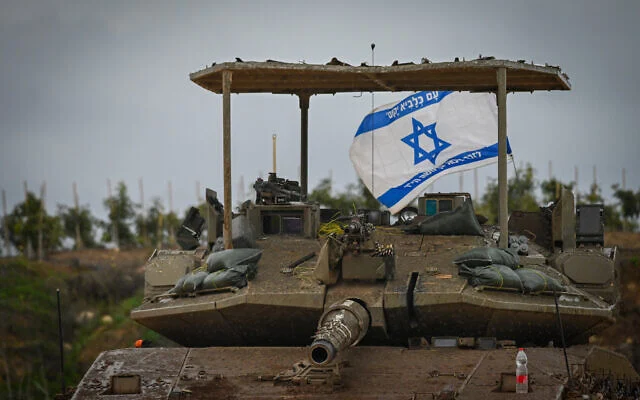
Israel carried out new strikes in Lebanon on Tuesday, even as a limited ceasefire between Israel and the Iran-backed Hezbollah movement appeared to prevent a broader escalation of hostilities.
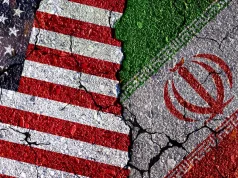
The latest developments highlight the fragile security situation in the region and underscore the challenges facing ongoing diplomatic efforts between the United States and Iran.
Limited Ceasefire Fails to End Fighting
Lebanon had previously announced a partial truce aimed at reducing tensions along the border. However, the ceasefire remains limited in scope and has not brought an end to military activity.
According to reports, Israel intercepted two projectiles launched from Lebanon on Tuesday, indicating that hostilities continue despite attempts to de-escalate the conflict.
Lebanese officials have emphasized that the current arrangement does not constitute a comprehensive ceasefire and does not resolve the broader conflict involving Hezbollah and Israel.
Lebanon Remains a Key Issue in U.S.-Iran Negotiations
The situation in Lebanon has emerged as a major obstacle in diplomatic discussions between Washington and Tehran.
Reports citing Lebanon’s embassy in Washington indicated that Lebanese officials have urged Israel to avoid military operations in Beirut and Hezbollah-controlled areas, arguing that further escalation could complicate ongoing peace efforts.
The conflict has become increasingly intertwined with broader negotiations involving the United States, Iran, and regional security issues.
Israel Expands Regional Operations
Since launching a joint military campaign with the United States against Iran earlier this year, Israel has also deployed forces into southern Lebanon.
The expanded military presence reflects Israel’s efforts to counter perceived threats from Hezbollah while maintaining pressure on Iran and its regional allies.
At the same time, diplomatic channels remain active as world leaders seek ways to prevent a wider regional conflict.
Trump Signals Optimism on Iran Deal
U.S. President Donald Trump expressed optimism that a broader agreement with Iran could be reached soon.
Speaking on Monday, Trump suggested that a deal capable of extending the existing ceasefire and reopening the strategically important Strait of Hormuz could potentially be achieved within the next week.
The president acknowledged that negotiations had recently encountered setbacks but maintained that diplomatic progress remains possible.
Conflicting Signals Surround Negotiations
Uncertainty continues to surround the status of U.S.-Iran talks.
While reports suggested that Tehran had suspended communications with Washington, Trump later indicated that negotiations were continuing and progressing rapidly.
The conflicting statements have created uncertainty among investors and policymakers attempting to assess the likelihood of a breakthrough.
Meanwhile, military exchanges between the United States and Iran earlier this week have further tested the fragile ceasefire and reduced confidence that a comprehensive agreement is imminent.
Strait of Hormuz Remains a Major Sticking Point
One of the central issues in negotiations remains the Strait of Hormuz, a critical global energy shipping route.
Iran has largely maintained restrictions on traffic through the waterway and has provided little indication that it intends to fully reopen the passage in the near future.
Reports also suggest that Tehran has explored imposing transit fees on vessels using the strait, a proposal that Washington has rejected.
The continued disruption has kept energy markets on edge, with traders closely monitoring developments that could impact global oil supplies.
Tentative Agreement Yet to Be Finalized
Reports published late last week indicated that U.S. and Iranian officials had reached a preliminary memorandum of understanding aimed at extending the ceasefire and restoring shipping access through the Strait of Hormuz.
However, the agreement has not yet received final approval, and President Trump has not formally endorsed the proposal.
As a result, uncertainty remains high regarding both the future of regional security and the prospects for a lasting diplomatic settlement.
For now, markets and world leaders remain focused on whether ongoing negotiations can produce a breakthrough capable of reducing tensions across the Middle East and restoring stability to global energy markets.