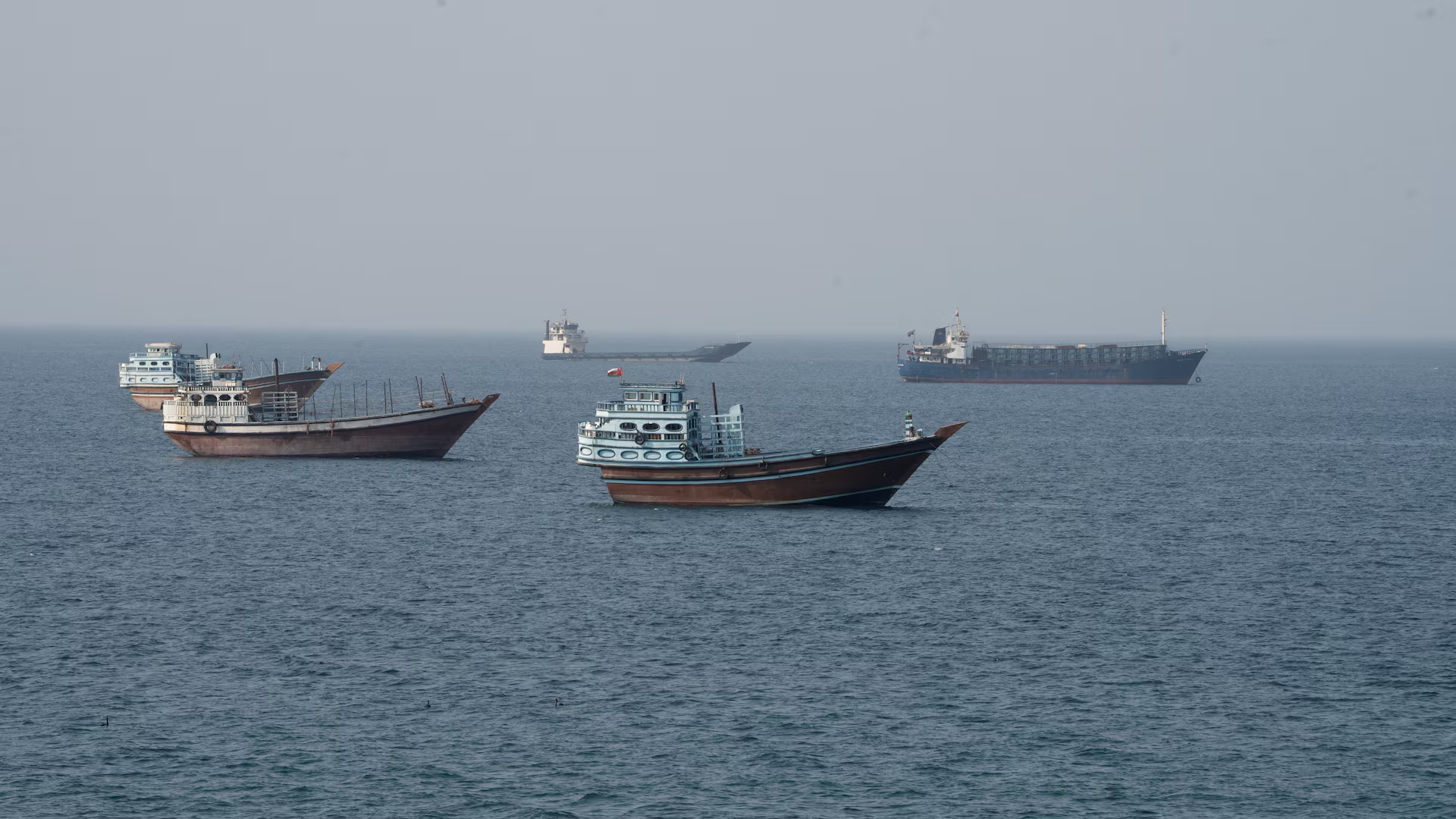
Shipping activity through the Strait of Hormuz remains close to historic lows, even as diplomatic efforts to reduce tensions in the Middle East appear to be gaining momentum.
Preliminary data from Kpler, cited by Al Jazeera and CNBC, showed that only five commercial tankers passed through the strategic waterway on Tuesday. That compares with a 10-day average of around 15 vessels.
Strait of Hormuz Traffic Remains Severely Disrupted
Before the conflict between the United States and Iran began in late February, roughly one-fifth of global oil and liquefied natural gas supplies passed through the Strait of Hormuz.
Following the outbreak of hostilities, Iran effectively restricted activity through the passage. The move disrupted global energy flows and contributed to higher oil prices as concerns over supply shortages intensified.
Despite the continued weakness in shipping traffic, energy markets have recently shown signs of easing.
Brent Crude Falls Below $90 as Ceasefire Hopes Grow
Brent crude oil prices have declined in recent sessions, falling below the $90-per-barrel level.
Part of the decline followed a report from Russian news agency RIA Novosti claiming that the United States and Iran had reached a new ceasefire agreement that could be announced within days.
The report cited Iranian and Pakistani sources. However, the information had not been independently verified by Investing.com at the time of publication.
The possibility of reduced military tensions has nevertheless helped ease some of the risk premium that had previously pushed oil prices sharply higher.
Iran and Oman Discuss Temporary Hormuz Shipping Route
Diplomatic developments have also emerged regarding access to the Strait of Hormuz.
According to Al Jazeera, a senior Iranian official said Iran and Oman had agreed on a new temporary shipping route following diplomatic talks in Tehran.
However, the official reportedly made clear that Iran does not intend to fully reopen the Strait of Hormuz until the United States fulfills commitments linked to a previous framework agreement signed in June that has since expired.
The development suggests that limited maritime access could improve even without an immediate return to normal shipping conditions.
US Reportedly Seeks to Avoid Renewed Conflict With Iran
Other reports have suggested that Washington may not expect a return to full-scale military confrontation with Iran.
Deutsche Bank analysts highlighted reports indicating that the United States is currently preparing for renewed diplomatic engagement in the region.
The New York Times reported that US officials are preparing to send diplomats back to the Middle East.
Meanwhile, Secretary of State Marco Rubio has reportedly told US allies that the White House does not want to restart military strikes against Iran.
If diplomatic talks continue progressing, concerns surrounding another major disruption to Middle Eastern energy supplies could ease further.
US Maintains Economic Pressure on Tehran
Diplomatic efforts have not prevented Washington from continuing to apply economic pressure on Iran.
Treasury Secretary Scott Bessent has pledged a new wave of sanctions described as an “economic D-Day,” targeting individuals and organizations accused of supporting Tehran.
Bessent highlighted 60 individuals, companies, and vessels as potential targets.
However, the United States has so far stopped short of introducing broader secondary sanctions against countries that continue to conduct business with Iran.
That includes China, which remains the largest buyer of Iranian oil.
Oil Markets Watch Hormuz and Diplomacy Closely
The Strait of Hormuz remains one of the most important shipping routes for global energy markets. Any sustained disruption can directly affect oil and LNG supplies while increasing volatility in crude prices.
For now, shipping activity remains far below normal levels. However, reports of ceasefire discussions, temporary transit arrangements, and renewed diplomatic engagement have raised hopes that tensions could gradually ease.
Oil traders will therefore continue to monitor both Strait of Hormuz shipping traffic and US-Iran negotiations for signs of whether global energy flows can begin returning toward normal levels.