Gold Prices Slip as Inflation Concerns and Iran Uncertainty Weigh on Markets
Gold prices moved lower during Asian trading on Wednesday as investors remained concerned about the inflationary effects of the Iran conflict, despite signs of progress in diplomatic negotiations involving the United States and Iran.
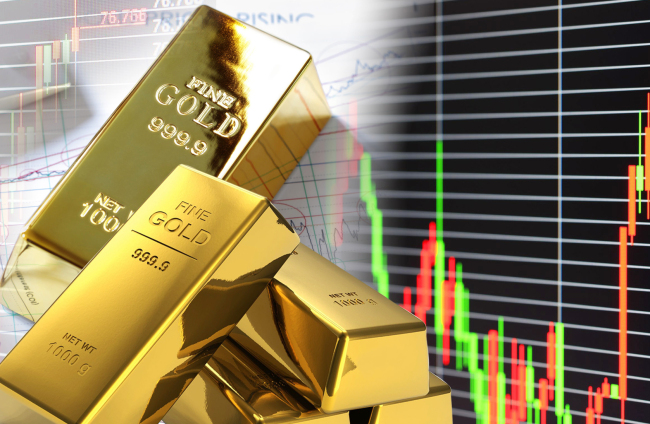
Spot gold declined 0.3% to $4,468.64 per ounce, while gold futures also fell 0.3%, reflecting continued pressure on precious metals.
Gold Struggles as Inflation and Interest Rate Fears Persist
Gold prices remain near their weakest levels since early April, with the traditional safe-haven asset losing appeal amid expectations of prolonged inflation and higher interest rates.
Recent inflation data from several major economies has highlighted the impact of rising energy costs linked to the Iran conflict. Higher oil prices have increased concerns that inflation could remain elevated globally for longer than expected.
As a result, major central banks may continue maintaining restrictive monetary policies in the coming months.
Higher interest rates generally create challenges for gold because the metal does not generate income, making interest-bearing assets more attractive to investors.
Iran Peace Signals Fail to Boost Gold Demand
Comments from U.S. President Donald Trump and Vice President JD Vance suggested some progress toward a potential peace agreement with Iran.
However, gold markets showed limited reaction to these developments, as concerns over disrupted Middle East oil supplies continued to support inflation worries.
Investors appear to remain cautious while geopolitical tensions persist.
Rising Bond Yields Add Further Pressure on Precious Metals
Gold has also faced pressure from a sharp increase in global bond yields over recent weeks.
The selloff in government bonds, driven by expectations of higher inflation and interest rates, pushed borrowing costs upward across major economies.
The U.S. 10-year Treasury yield remained close to its highest level in one year, while the 30-year Treasury yield hovered near levels last seen almost two decades ago.
Higher bond yields often reduce demand for gold because fixed-income investments become relatively more attractive.
Silver Shows Signs of Recovery After Recent Losses
Unlike gold, silver attracted some bargain buying after experiencing heavy losses during the previous week.
Spot silver rose 0.4% to $73.99 per ounce, although the metal still remained down nearly 3% for the week.
Market participants appear to be taking advantage of lower prices following recent declines.
Platinum Falls to Three-Week Low
Platinum underperformed compared with other precious metals, dropping 0.3% to around $1,924.71 per ounce — its lowest level in three weeks.
Like gold, platinum has been negatively affected by expectations of higher interest rates since tensions involving Iran escalated.
However, both silver and platinum have received some support from tighter supply expectations and ongoing industrial demand, helping limit further downside pressure.
The outlook for precious metals will likely continue to depend on inflation trends, central bank policy decisions and developments surrounding geopolitical tensions in the Middle East.