Gold Prices Rebound From One-Month Low
Gold prices moved higher on Tuesday, recovering after dropping to a more than one-month low in the previous session. However, the upside remained limited as elevated oil prices continue to cloud the outlook for interest rates.
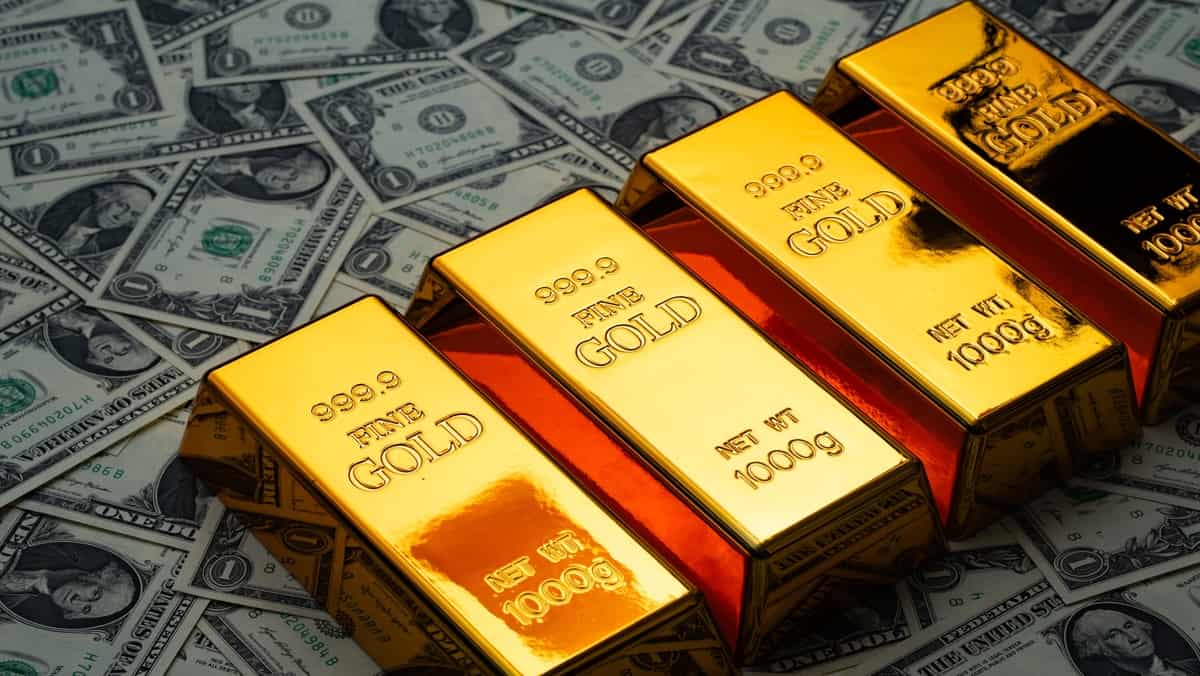
By 09:36 ET (13:36 GMT), spot gold rose 1.1% to $4,574.81 per ounce, while gold futures also gained 1.1% to $4,584.01 per ounce. In the prior session, the metal had fallen more than 2%, marking its lowest level since late March.
Geopolitical Tensions in the Strait of Hormuz Add Pressure
Gold prices remain under pressure amid renewed conflict between the United States and Iran. Both sides carried out fresh attacks on Monday in the Strait of Hormuz, a key global energy chokepoint, raising concerns about further escalation.
The U.S. military reported destroying several Iranian attack boats during the confrontation. Meanwhile, Iran expanded the conflict by targeting the United Arab Emirates, with a major oil facility in Fujairah reportedly set on fire.
These developments come as Donald Trump pushes forward the “Project Freedom” initiative, aimed at securing shipping routes and restoring stability in the region. While the plan has sparked optimism around supply recovery, uncertainty over potential escalation remains high.
Rising Oil Prices Fuel Inflation Concerns
The ongoing conflict has driven a surge in oil prices, intensifying fears of prolonged instability in the Gulf region. Although Brent crude futures edged slightly lower on Tuesday amid signs of possible easing in tensions, prices remain significantly above pre-conflict levels.
According to analysts at ING, higher energy costs are reinforcing inflation concerns, which in turn could keep interest rates elevated for longer. This environment tends to weigh on non-yielding assets like gold.
Interest Rate Outlook Weighs on Bullion
Despite geopolitical risks, gold has struggled to regain strong upward momentum. Analysts note that the market is currently more focused on rising Treasury yields than on geopolitical uncertainty.
Since the conflict began in late February, gold prices have declined by more than 10%. Persistent inflation concerns, expectations of higher interest rates, and a stronger U.S. dollar have all reduced the appeal of the precious metal. A stronger dollar typically makes gold more expensive for international buyers, further limiting demand.
Other Precious Metals Move Higher
Elsewhere in the metals market, silver prices increased 1.3% to $73.71 per ounce, while platinum rose 1.8% to $1,980.86 per ounce.