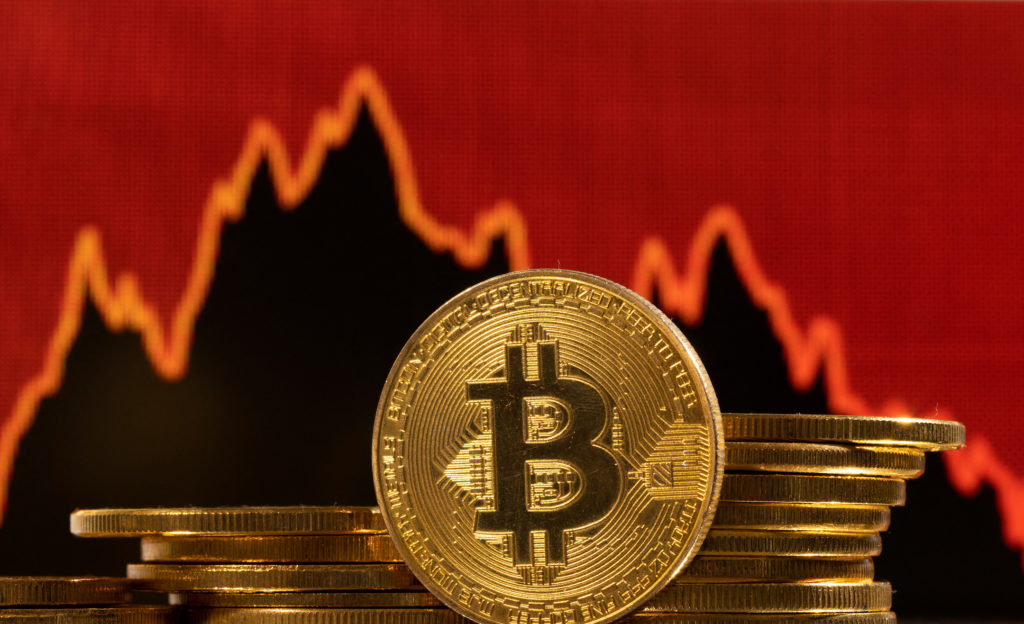
Bitcoin moved lower on Wednesday, extending its early-September weakness after a strong August rally. Renewed fighting between the United States and Iran, rising bond yields, and growing uncertainty over interest rates weighed on demand for risk assets.
Bitcoin fell around 0.9% to approximately $77,387 by late morning US trading. The decline came after BTC gained nearly 25% during August.
Bitcoin Rally Loses Momentum in September
Bitcoin’s strong August performance has struggled to continue into September.
Crypto markets came under pressure as US Treasury yields moved higher, reducing investor appetite for speculative assets.
At the same time, renewed military action between the US and Iran added another layer of uncertainty to global markets.
The combination of geopolitical risk and tighter financial conditions quickly cooled the momentum that had supported Bitcoin during August.
Strategy Bitcoin Purchase Offers Limited Support
Fresh buying from Strategy provided only modest support for Bitcoin.
The company, one of the largest corporate holders of BTC, made its first Bitcoin purchase in around two months.
However, the announcement was not enough to offset the broader pressure coming from higher bond yields and worsening geopolitical tensions.
US-Iran Fighting Weighs on Risk Sentiment
The US and Iran exchanged another round of strikes overnight on Tuesday as tensions surrounding the Strait of Hormuz continued.
Neither side showed strong signs of de-escalation.
US President Donald Trump threatened further action against Iranian oil infrastructure, while Iran warned that additional strikes against US military bases in Gulf countries could follow.
The renewed fighting represented one of the most serious escalations between the two countries in more than a month.
Oil Prices Rise as Geopolitical Risks Increase
Oil prices climbed sharply following the renewed US-Iran confrontation.
Higher energy prices immediately raised concerns about another wave of inflation pressure.
If oil remains elevated, transportation, production, and consumer costs could rise across major economies.
That possibility has become increasingly important for investors as central banks continue to struggle with inflation that remains above target.
Bond Yields Rise Across Global Markets
Government bond yields increased across several major economies, including the United States, Europe, Japan, and Australia.
Investors reacted to the possibility that higher energy prices could keep inflation elevated for longer.
Rising yields generally create a more difficult environment for cryptocurrencies and other risk assets.
When returns on government bonds increase, investors have less incentive to hold highly volatile assets such as Bitcoin.
Fed Rate Hike Expectations Increase
Markets also increased bets that the Federal Reserve could raise interest rates at its September meeting.
Inflation remains above the Fed’s 2% target, while higher oil prices could add further pressure.
That has increased concern that the central bank may need to keep monetary policy tighter for longer.
Higher interest rates are typically viewed as negative for speculative assets because they reduce liquidity and increase the attractiveness of lower-risk investments.
Lower Yields Helped Drive Bitcoin’s August Rally
Bitcoin’s strong August advance was supported in large part by falling bond yields.
As yields declined, financial conditions became more favorable for risk-taking.
That helped push investors back into crypto assets and supported BTC’s nearly 25% monthly gain.
The recent reversal in yields has therefore become one of the biggest short-term risks to Bitcoin’s momentum.
US Jobs Report Could Be the Next Major Catalyst
Investors are now focused on the upcoming US nonfarm payrolls report.
The data could provide further clues about the Federal Reserve’s next move on interest rates.
A stronger-than-expected jobs report could give the Fed more room to tighten policy.
By contrast, weaker employment data could reduce expectations for additional rate hikes.
The labor market report could therefore become an important catalyst for Bitcoin, bond yields, and broader financial markets.
Ethereum and Altcoins Also Move Lower
Bitcoin was not the only cryptocurrency under pressure on Wednesday.
Ethereum fell around 1.4% to approximately $2,408.
XRP declined roughly 2.5% to around $1.34.
Solana and Cardano also moved lower, falling approximately 2.6% and 1.2%, respectively.
BNB remained relatively stable.
Memecoins Face Additional Selling Pressure
Memecoins also weakened as investors reduced exposure to higher-risk crypto assets.
Dogecoin fell around 1.3%.
The TRUMP token experienced a steeper decline of more than 6%.
The broader weakness suggests that investors were becoming more defensive as geopolitical and interest rate uncertainty increased.
Bitcoin Faces Pressure From Rates and Geopolitics
Bitcoin’s August rally demonstrated that lower yields and improved liquidity can quickly strengthen demand for crypto assets.
However, the beginning of September has highlighted the opposite side of that relationship.
Rising oil prices, stronger bond yields, renewed US-Iran tensions, and expectations for tighter Federal Reserve policy are all weighing on Bitcoin.
The next major test for BTC could come from US employment data and its impact on interest rate expectations.
If bond yields continue climbing, Bitcoin could remain under pressure. However, any renewed decline in yields could help restore some of the momentum seen during August.