U.S. Treasury Secretary Scott Bessent announced on Monday that Washington is launching a broad economic campaign aimed at cutting Iran off from the global financial system.
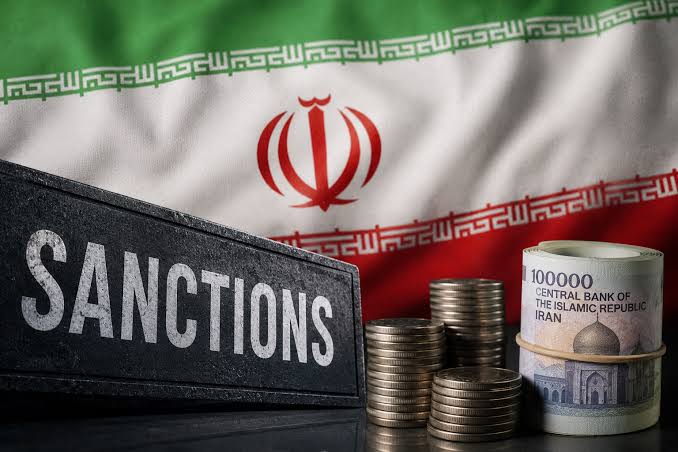
The new measures could affect any country or company that continues doing business with Tehran, with Bessent warning that they may face U.S. sanctions if they fail to reduce economic ties with Iran.
U.S. Launches New Economic Pressure Campaign
Speaking at a press conference in Washington, Bessent said the United States is preparing an aggressive effort against Iran’s international financial connections.
He described the strategy as an attempt to economically isolate the Iranian government by targeting the networks that support its trade and access to global markets.
The campaign represents another escalation in Washington’s efforts to pressure Tehran through financial restrictions rather than direct economic engagement.
Trump Pressures World Leaders to Cut Iran Ties
According to Bessent, President Donald Trump has been contacting foreign leaders directly and asking them to reduce or end their economic relationships with Iran.
Countries will reportedly be given a defined period to wind down commercial cooperation with Tehran.
Bessent warned that if governments fail to comply, the U.S. Treasury could impose measures independently.
The message signals that Washington is prepared to use secondary sanctions against foreign entities that continue facilitating Iranian trade.
Five Key Iranian Sectors in Focus
The U.S. campaign will concentrate on five important areas of Iran’s economy.
These include:
- Digital assets
- Technology
- Gold
- Aviation
- Shipping
These sectors are considered important channels through which Iran can access foreign capital, goods and financial services.
However, Bessent did not provide a specific timeline for the next round of U.S. actions or detail exactly what penalties could be introduced.
Bessent Warns Foreign Banks Over Iran Trade
Bessent was also questioned about whether major foreign banks could face penalties for supporting transactions involving Iran.
When asked specifically about large Chinese financial institutions, he said that no institution is beyond the reach of U.S. sanctions.
However, he avoided naming China or any other country directly.
Bessent suggested that Washington would prefer to resolve the issue through private diplomatic discussions before moving toward more aggressive enforcement.
Secondary Sanctions Remain a Key Tool
The latest announcement builds on measures introduced earlier this year.
In April, Bessent unveiled a previous campaign known as “Economic Fury,” which also focused on increasing pressure on Iran.
At the time, the administration warned that it was prepared to use secondary sanctions against foreign banks and financial institutions that continued supporting Iranian economic activity.
Secondary sanctions can target companies and banks outside the United States if they continue conducting certain transactions with sanctioned Iranian entities.
U.S.-Iran Economic Tensions Continue to Escalate
The latest campaign highlights Washington’s increasingly aggressive approach toward Iran’s access to international trade and financial markets.
By targeting sectors such as shipping, gold, technology and digital assets, the U.S. is attempting to reduce Iran’s ability to move capital and conduct business abroad.
The policy could also have wider implications for global trade, energy markets and international banking, particularly if major economies continue maintaining commercial relationships with Tehran.
For investors, further sanctions could increase geopolitical uncertainty and potentially affect oil prices, currencies and safe-haven assets as markets assess the broader economic consequences.