Bank of Japan Raises Rates by 25 Bps, Cuts Bond Purchases
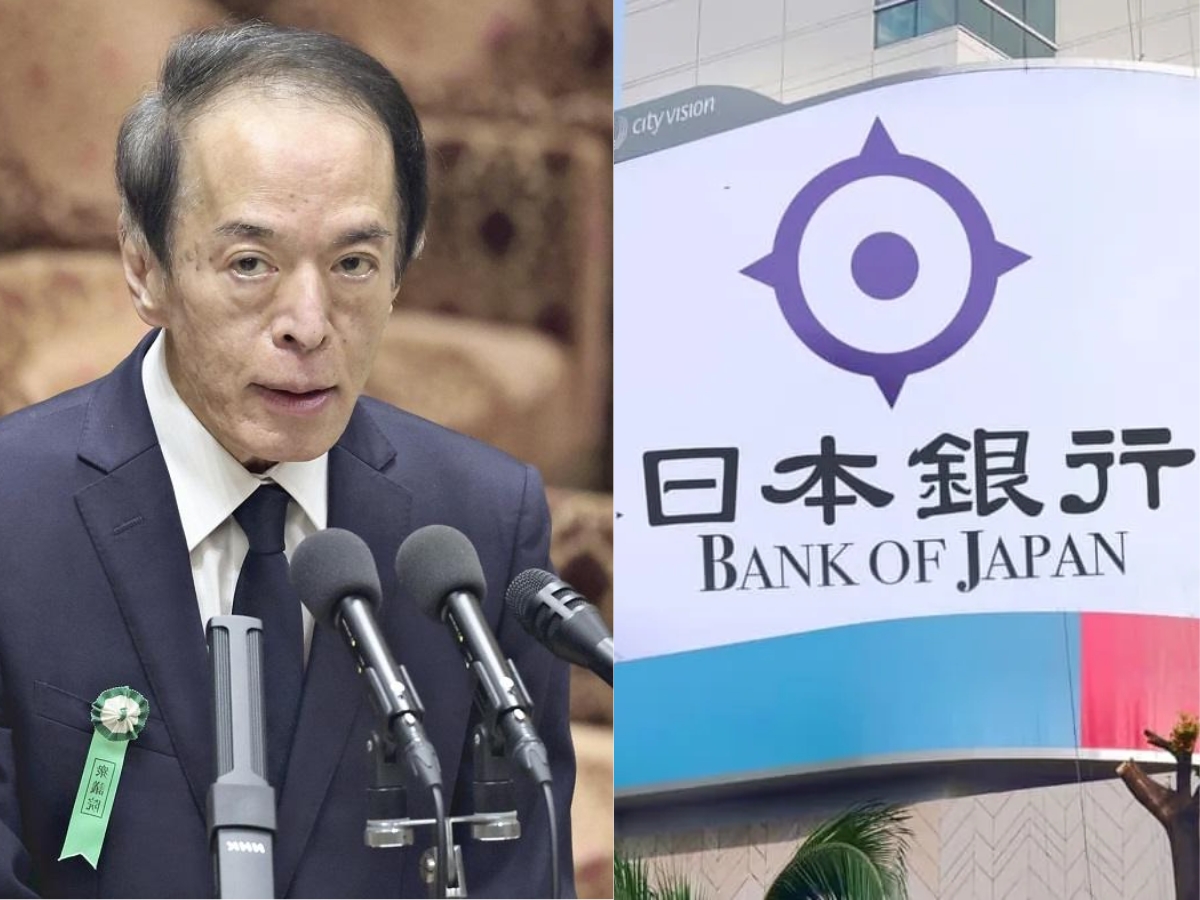
The Bank of Japan raised interest rates by 25 basis points on Tuesday, matching market expectations.
The central bank also indicated that further monetary tightening may be necessary as persistent inflation continues to pressure the Japanese economy.
In addition, the BOJ announced plans to reduce its monthly government bond purchases over the coming quarters.
BOJ Interest Rate Reaches 31-Year High
The Bank of Japan increased its benchmark overnight call rate to 1%, up by 25 basis points.
This brought Japan’s key interest rate to its highest level in 31 years.
The central bank’s policy board approved the decision by a vote of seven to one.
BOJ Governor Kazuo Ueda did not attend the meeting because of a medical issue. Board member Toichiro Asada opposed the increase and argued that rates should remain unchanged.
Higher Oil Prices Add to Inflation Pressure
The BOJ warned that rising crude oil prices were quickly feeding into transactions between businesses.
According to the central bank, companies may eventually pass these higher costs on to consumers. This could push consumer price inflation further above the BOJ’s annual target of 2%.
Higher energy costs can affect transportation, manufacturing and a broad range of goods and services.
As a result, the central bank believes inflation risks remain tilted to the upside.
Japanese Economy Remains Resilient
The BOJ said Japan’s economy continued to show resilience despite tighter financial conditions.
However, policymakers warned that economic activity could face stronger headwinds in the coming months.
These risks include higher import costs, weaker global demand and continued uncertainty surrounding energy markets.
Despite those concerns, the central bank remains focused on controlling inflation and gradually normalizing monetary policy.
Bank of Japan Plans Further Bond Purchase Cuts
The BOJ also announced another reduction in its government bond-buying programme.
The central bank plans to lower its monthly purchases by approximately 200 billion yen each quarter until March 2027.
After that point, monthly bond purchases are expected to remain at around 2 trillion yen.
However, the BOJ said it would adjust its buying programme if market conditions required additional action.
Reducing bond purchases is another form of monetary tightening because it limits the amount of liquidity provided to financial markets.
Markets Expect Additional BOJ Rate Hikes
The latest interest-rate increase had been widely anticipated.
The Bank of Japan had repeatedly highlighted the inflation risks created by higher energy prices and the Middle East conflict.
Capital Economics analysts expect the BOJ to raise rates again at its October meeting.
They forecast that the policy rate could reach 2% by the end of next year. This estimate is above the broader market expectation of around 1.75% by the end of 2027.
Weak Yen Strengthens Case for Tightening
The weak Japanese yen has also increased pressure on the BOJ to tighten policy.
A weaker currency makes imported goods, fuel and raw materials more expensive. This can raise inflation throughout the economy.
The yen strengthened slightly following Tuesday’s decision. However, it remained close to its weakest levels of the year.
The USD/JPY exchange rate declined by around 0.06% to approximately 160.22 yen per dollar.