Asian Stocks Lose Momentum as Oil Prices Rise
Asian stocks gave up much of their early gains on Wednesday as escalating tensions in the Middle East pushed oil prices to six-week highs.
The surge in crude prices weakened investor appetite for risk ahead of quarterly earnings from several major U.S. technology companies.
U.S. stock index futures also moved lower during early trading. Futures linked to the technology-heavy Nasdaq recorded the largest losses.
Wall Street Rebounds After Three-Day Decline
U.S. stocks closed higher during the previous session.
The S&P 500 gained 0.9%, ending a three-session losing streak. The Nasdaq Composite rose by 1.3%, while the Dow Jones Industrial Average advanced by 0.7%.
However, investors remained cautious ahead of earnings reports from Alphabet and Tesla, which were scheduled for release later on Wednesday.
South Korean Stocks Give Up Most Early Gains
South Korea’s KOSPI closed 0.7% higher after surging by more than 5% earlier in the session.
Major semiconductor companies, including Samsung Electronics and SK Hynix, followed the wider market trend and surrendered much of their initial gains.
The reversal came as oil prices extended their rally following new threats from Yemen’s Iran-aligned Houthi movement.
Houthi Threats Push Brent Above $93
Brent crude climbed above $93 per barrel after reaching its highest level in around six weeks.
Two tankers carrying Saudi oil to Asia reportedly changed course in the Red Sea following warnings from the Houthis.
The incident increased concerns that the expanding Middle East conflict could disrupt key shipping routes and restrict global energy supplies.
Higher oil prices can increase production and transportation costs. They may also revive inflation concerns and place pressure on economies that depend heavily on imported energy.
Japan’s Nikkei Reverses Early Rally
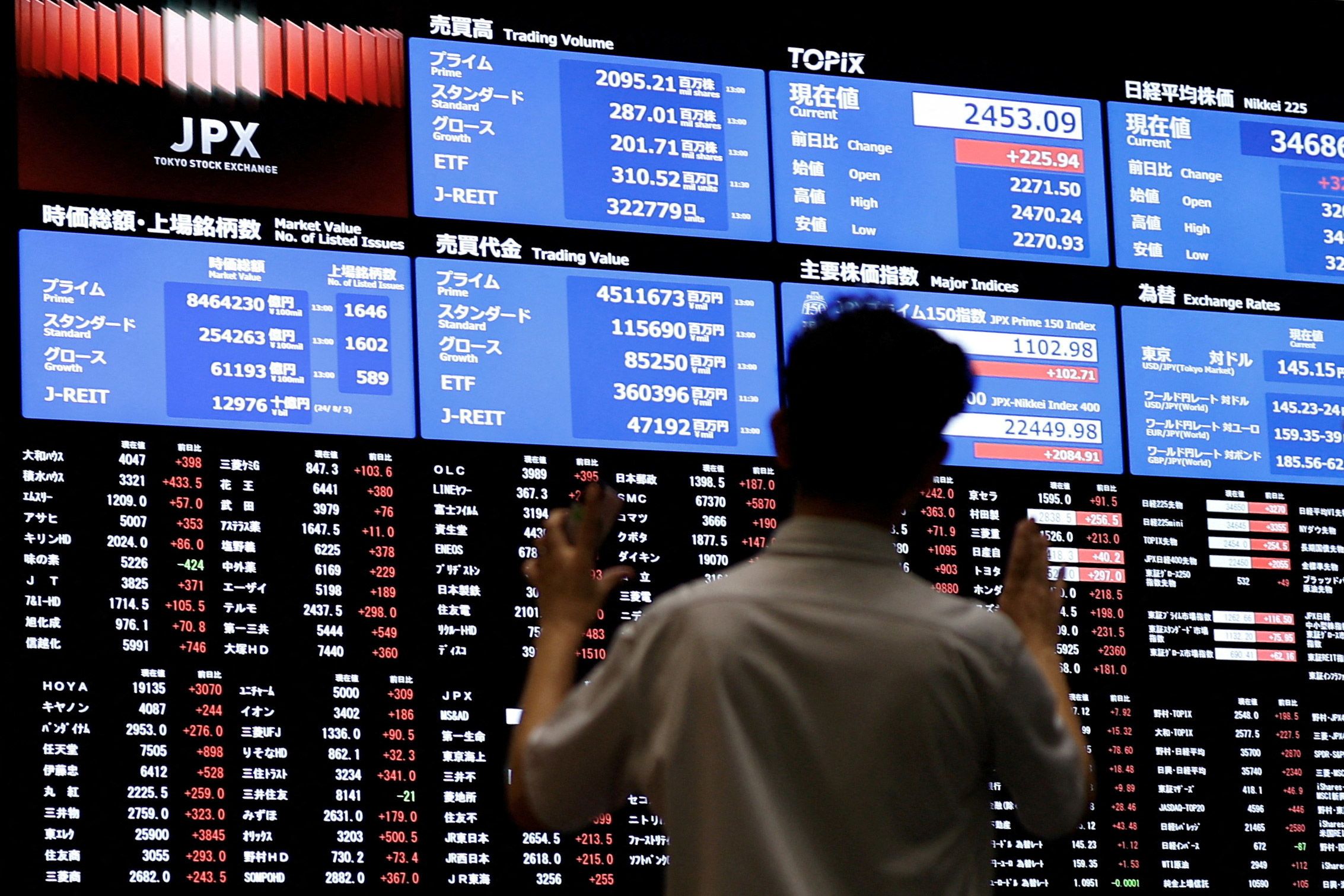
Japan’s Nikkei 225 closed 0.4% lower after gaining almost 2% earlier in the day.
The broader TOPIX index performed better and finished 0.5% higher.
Japanese markets were also influenced by stronger-than-expected trade data and continued demand for semiconductor-related equipment.
Japan’s Exports Record Strong Growth
Japan’s exports increased by 19.3% in June compared with the same month a year earlier.
The result exceeded forecasts for an 18.6% rise and marked the tenth consecutive month of export growth.
Demand linked to artificial intelligence supported shipments of semiconductor equipment. A weaker yen also made Japanese exports more competitive overseas.
Imports rose by 25.4%, surpassing expectations for a 21% increase.
As a result, Japan recorded a trade deficit of 406.9 billion yen. Higher crude oil prices contributed significantly to the increase in import costs.
Chinese and Hong Kong Markets Decline
Mainland Chinese markets delivered a mixed performance.
The Shanghai Composite ended the session largely unchanged, while the blue-chip CSI 300 index declined by 0.5%.
Hong Kong’s Hang Seng index fell by approximately 1.1%.
The losses reflected cautious sentiment as investors assessed rising energy prices, geopolitical uncertainty and the outlook for global technology earnings.
Australia and Singapore Record Modest Gains
Australia’s S&P/ASX 200 edged 0.3% higher.
Singapore’s Straits Times Index gained around 0.5%, outperforming several other regional markets.
Meanwhile, futures linked to India’s Nifty 50 index fell by approximately 0.8% during midday trading.
Alphabet and Tesla Earnings Move Into Focus
Investors are now turning their attention to quarterly results from major U.S. technology companies.
Alphabet’s earnings will be closely examined for new information about artificial intelligence spending, cloud computing demand and wider corporate investment trends.
Tesla’s results will also provide insight into electric vehicle demand, margins and the company’s growth outlook.
Markets Assess Sustainability of AI Rally
Technology stocks have benefited from strong enthusiasm surrounding artificial intelligence.
However, investors are now trying to determine whether the recent AI-driven market rally can continue as companies report their latest financial results.
Strong earnings and positive guidance could support technology shares. Disappointing figures may increase concerns that valuations have moved too far ahead of company fundamentals.
Higher Oil Prices Threaten Market Confidence
The earlier rebound in global equities suggested that investors were still willing to look beyond geopolitical risks.
However, persistently high oil prices could quickly weaken market confidence.
Rising energy costs may push inflation higher and complicate the outlook for the Federal Reserve and other major central banks.
Asian stocks may therefore remain sensitive to Middle East developments, oil-price movements and upcoming U.S. technology earnings.