Fed Risks Fueling Stock Bubble Amid AI Inflation Concerns
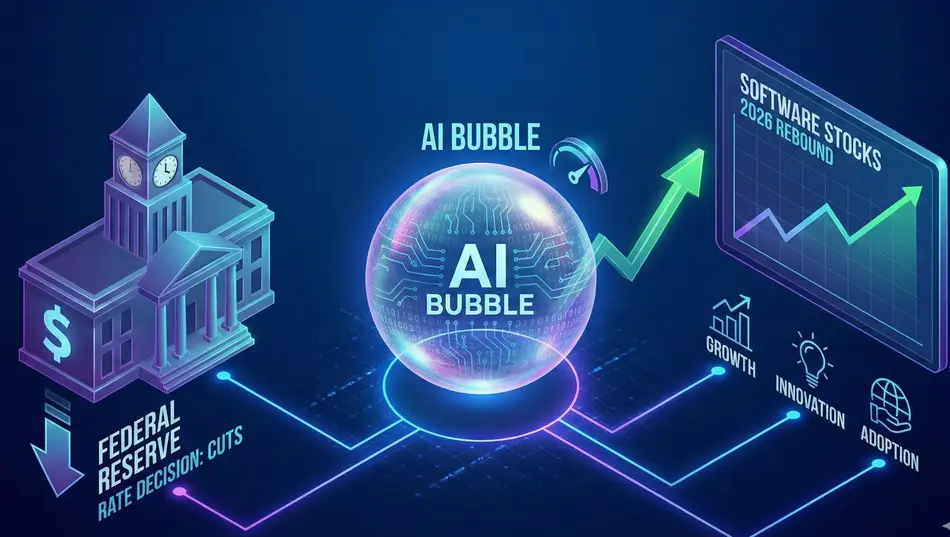
The Federal Reserve’s hesitation to raise interest rates may be intensifying a growing stock market bubble, according to BCA Research, which warns that the central bank is underestimating the inflationary impact of artificial intelligence.
Strategist Challenges Fed’s AI Outlook
BCA Chief Strategist Peter Berezin disputed the optimistic view previously expressed by Fed Chair Kevin Warsh, who suggested that AI would reduce inflation and allow rate cuts. Berezin argues that this assessment is incorrect in the near term.
“AI is currently driving up prices for everything from electricity to memory chips,” Berezin explained, noting that a soaring stock market has boosted household spending, further increasing inflationary pressures.
Long-Term Impact of AI on Inflation Remains Uncertain
While short-term inflation is rising, BCA believes the long-term effects of AI are less predictable. Berezin highlighted that standard economic theory suggests that faster productivity growth, higher depreciation rates, and a greater share of income going to capital could all raise the equilibrium real interest rate, countering the idea that AI is automatically disinflationary over time.
Scenarios Where AI Could Lower Inflation
BCA identified two conditions in which AI might ultimately reduce inflation and interest rates, although these outcomes may be undesirable:
- A major AI capital expenditure bust.
- A substantial rise in income inequality.
Stocks Overbought but Not Yet in Bear Territory
BCA’s MacroQuant model indicates that stocks are currently overbought, but they have not yet reached levels consistent with an imminent bear market.
“The Fed’s reluctance to hike rates is understandable, but it risks amplifying what may already be a brewing stock market bubble,” Berezin concluded.