U.S. Economy Increasingly Relies on AI Growth, Warns Lazard CEO
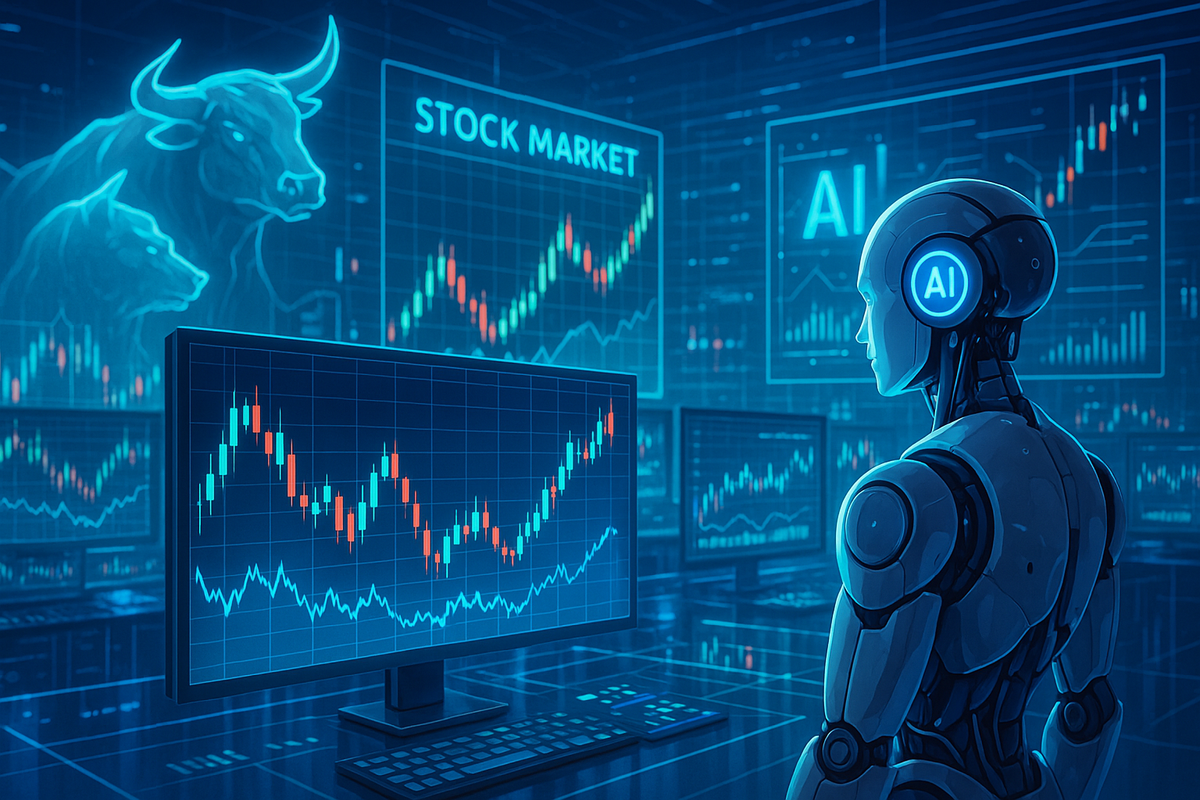
The U.S. economy has effectively become a major bet on the continued success of artificial intelligence, according to Lazard CEO Peter Orszag, who highlighted AI’s growing influence on stock markets, corporate growth, and consumer spending.
Speaking on Bloomberg Deals on Wednesday, Orszag said that artificial intelligence and wealthier consumers are currently driving much of the economic expansion in the United States. He noted that these higher-income groups are also benefiting directly from AI-fueled gains in equity markets.
According to Orszag, while dependence on AI carries uncertainty, it remains a worthwhile risk.
“Like many bets, it may or may not pay off, but it’s a good bet to be making,” he said.
AI Becoming a Major Driver of Economic Growth
Artificial intelligence has increasingly moved beyond the technology sector and is now influencing broader areas of the economy, from corporate valuations to infrastructure investment.
A recent example is Lazard’s advisory role in the $67 billion acquisition of Dominion Energy by NextEra Energy. The deal reflects rising energy demand linked to AI expansion, particularly as data centers and AI systems require significantly larger power capacity.
Growing electricity needs are also pushing utility companies toward larger-scale operations and consolidation.
AI Boom Could Bring Rapid Labor Market Disruption
Despite optimism around AI-driven growth, Orszag warned that the transition may create serious challenges for businesses and workers adapting to rapid technological change.
He explained that labor markets tend to absorb either small disruptions occurring quickly or major changes unfolding gradually. However, artificial intelligence could create a different scenario entirely — a large shock happening within a short timeframe.
This raises concerns over how quickly employees and industries can adjust to automation and evolving workplace demands.
Banking Industry Leaders Signal More Automation Ahead
Executives across the financial sector are increasingly discussing workforce restructuring tied to artificial intelligence and automation.
Standard Chartered CEO Bill Winters recently stated the bank is reducing lower-value human capital roles, suggesting automation will replace certain functions.
Meanwhile, Goldman Sachs President John Waldron described parts of the firm’s operations as resembling a human assembly line that could eventually be automated.
These comments reinforce growing expectations that AI adoption may reshape employment patterns across finance, banking, and other knowledge-based industries.
Is the U.S. Economy Becoming Too Dependent on AI?
As investment, stock market performance, infrastructure expansion, and consumer wealth increasingly tie back to artificial intelligence, concerns are emerging over whether economic growth has become overly reliant on continued AI momentum.
For now, AI remains one of the strongest growth engines in the U.S. economy — but its long-term impact on employment and market stability remains uncertain.