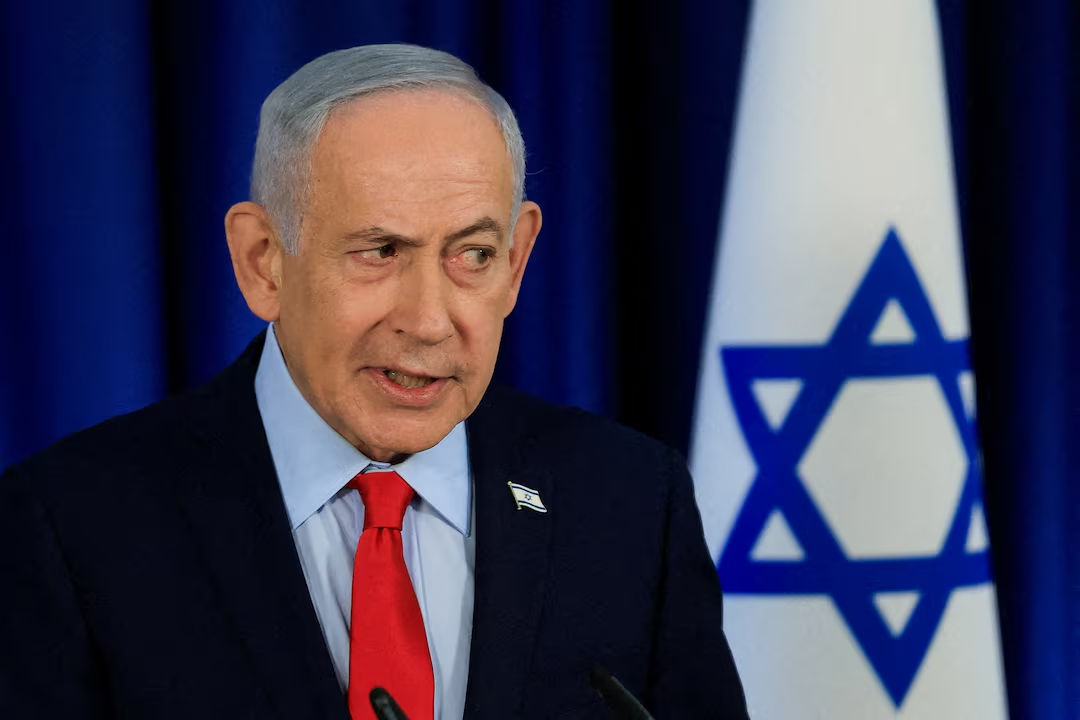
Israeli Prime Minister Benjamin Netanyahu reportedly urged US President Donald Trump to authorize another round of military strikes against Iran following the November 3 midterm elections, according to the Associated Press (AP).
The reported request comes amid ongoing diplomatic efforts between Washington and Tehran, raising concerns that renewed military operations could threaten regional stability and disrupt global energy markets.
Netanyahu Reportedly Pressures Trump Over Iran Strikes
Citing officials familiar with discussions in the Middle East, the Associated Press reported that Netanyahu advocated additional US military action against Iran during a weekend phone conversation with Trump.
However, an individual briefed on the exchange indicated that the US president had not agreed to launch further attacks.
The White House did not directly address questions regarding the reported discussion, while Israeli authorities initially offered no immediate response to the AP.
Israel’s ambassador to the United Nations, Danny Danon, separately disputed reports that Netanyahu was pressuring Trump, maintaining that Washington would make its own decisions regarding military action.
Meanwhile, several American allies in the Middle East have expressed concerns that another round of strikes could increase regional instability and potentially trigger a broader confrontation.
US Conducts Limited Military Strikes Near Strait of Hormuz
The reports emerged shortly after American forces carried out targeted strikes against Iranian positions near the strategically important Strait of Hormuz on Monday, November 2.
According to US officials cited by the Associated Press, the operations targeted Iranian forces accused of using surface-to-air missiles against American military assets.
The New York Times reported that US officials characterized the strikes as limited defensive operations rather than the beginning of a larger military offensive.
American authorities also reportedly indicated that there were no immediate plans to expand the attacks.
Nevertheless, the latest developments have renewed concerns about the possibility of additional military action as Washington evaluates its next steps in the conflict with Iran.
Iran Conflict Raises Concerns Over Global Oil Supplies
The continuing tensions between the United States and Iran have placed renewed attention on energy markets, particularly the movement of crude oil through the Strait of Hormuz.
The waterway represents one of the world’s most important oil transportation routes, making any potential disruption a significant concern for global energy supplies.
A broader military confrontation could threaten shipping operations, increase transportation risks and contribute to volatility in international crude oil prices.
However, recent shipping data has indicated some improvement in oil flows from the region, offering limited reassurance to energy markets.
West Texas Intermediate (WTI) crude oil remains particularly sensitive to developments surrounding the conflict, as traders monitor both military activity and the prospects for a diplomatic settlement.
Trump Signals Possibility of Diplomatic Agreement With Iran
Despite the renewed military tensions, President Trump has continued to suggest that negotiations with Tehran could produce an agreement.
In a social media statement on Monday, Trump indicated that a diplomatic breakthrough remained possible, leaving open the prospect of resolving the dispute without a major escalation.
Iranian President Masoud Pezeshkian also expressed his country’s willingness to engage in dialogue.
Meanwhile, Iranian officials confirmed that diplomatic discussions involving Qatari mediators were continuing as both sides explored potential solutions to the prolonged conflict.
Qatar has played an important intermediary role in efforts to bring Washington and Tehran closer to an agreement.
Markets Await Washington’s Next Move After US Midterms
The reported disagreement over further Iran strikes highlights the uncertainty surrounding US foreign policy following the midterm elections.
While Netanyahu has reportedly advocated renewed military pressure, Trump has not publicly committed to another large-scale offensive and continues to consider diplomatic options.
For financial markets, the outcome could have important implications for crude oil prices, global shipping activity and investor risk sentiment.
A diplomatic breakthrough could ease concerns about supply disruptions, while additional military operations could increase geopolitical uncertainty.
Ultimately, Washington’s decision on whether to pursue further Iran strikes or continue negotiations may determine the next phase of the conflict and its broader economic consequences.