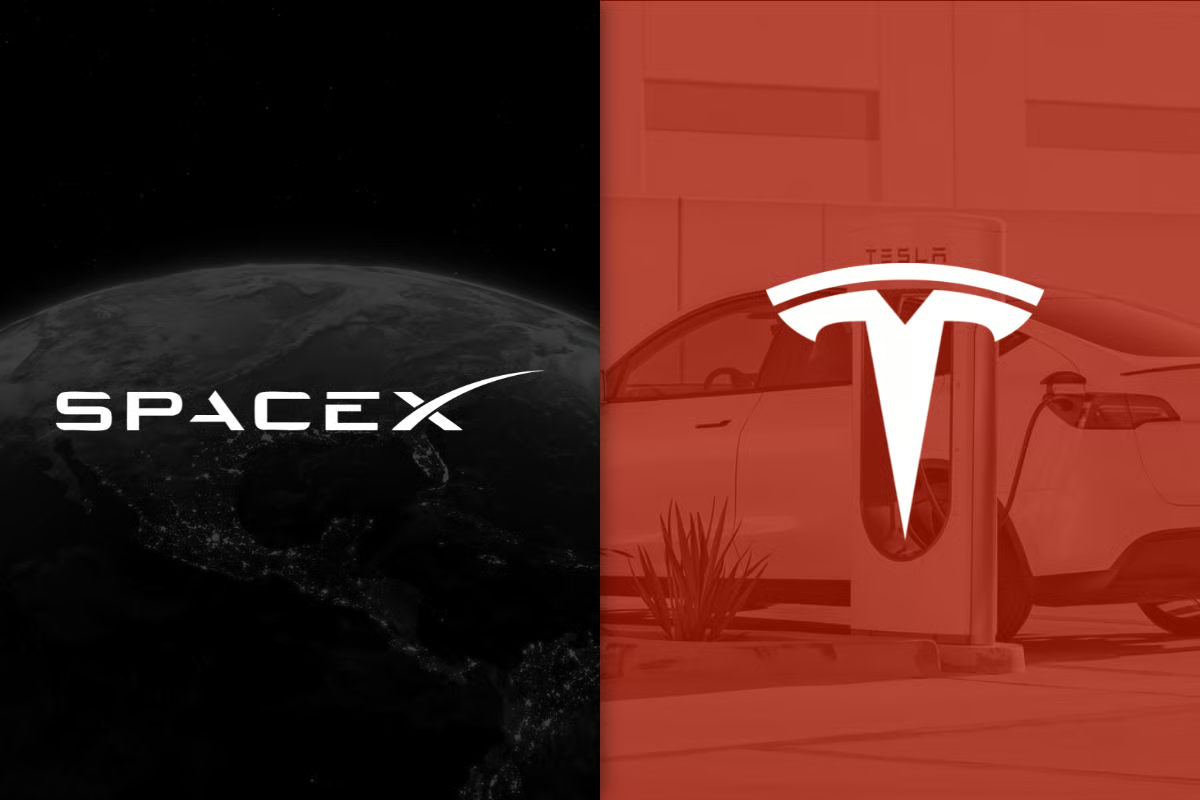
Tesla could be heading toward one of the biggest corporate transformations in technology history after Elon Musk expressed support for a potential merger with SpaceX.
The proposed combination could create a $3.5 trillion technology giant, bringing together Tesla’s electric vehicle business with SpaceX’s space exploration, satellite communications, and artificial intelligence operations.
The development comes as global financial markets navigate renewed concerns over AI valuations, rising oil prices, and geopolitical uncertainty.
Tesla and SpaceX Explore Potential $3.5 Trillion Merger
Elon Musk confirmed on Tuesday that combining Tesla and SpaceX would be a positive strategic move.
Both companies have established special committees to evaluate the possibility of a merger, although no final agreement has been reached.
The announcement generated considerable investor interest, with SpaceX shares climbing approximately 8% in extended trading.
Based on current valuations, the combined company could be worth around $3.5 trillion, potentially making it the world’s fifth-largest publicly traded business.
That would place the proposed technology powerhouse between Microsoft and Amazon in the global market capitalization rankings.
The potential deal could also strengthen cooperation between Tesla’s automotive operations and SpaceX’s expanding technology ecosystem.
For Tesla investors, the prospect raises questions about how closer integration with SpaceX could influence the company’s long-term growth strategy and valuation.
Regulatory Challenges Could Complicate Tesla-SpaceX Merger
Despite the potential strategic advantages, a merger between Tesla and SpaceX could face significant regulatory and political scrutiny.
SpaceX’s involvement in satellite communications, defense-related infrastructure, and government contracts may introduce additional complications.
One potential concern involves reports surrounding the Starlink satellite network used by Ukraine during its conflict with Russia.
According to a Wall Street Journal report published Tuesday, Musk allegedly ordered restrictions on a military-grade version of the satellite service.
The newspaper cited US officials and individuals familiar with the matter.
However, Reuters stated that it could not independently verify the allegations.
Such controversies could attract further attention from regulators examining the implications of combining Musk’s major businesses.
Investors will also be watching Tesla’s third-quarter earnings announcement for additional comments about the proposed transaction.
Musk’s previous ambitions for Tesla’s Roadster sports car, including plans involving rocket technology, provide another connection between his automotive and aerospace ventures.
In 2018, SpaceX famously launched an earlier Tesla Roadster into space aboard its Falcon Heavy rocket.
AI Stocks Face Fresh Pressure After NextDC Selloff
Elsewhere, uncertainty surrounding artificial intelligence investments continued to influence global equity markets.
Australian data center operator NextDC lost nearly half its market value after announcing a sharp reduction in its revenue forecasts.
The company also suspended plans for future developments, intensifying concerns about the financial outlook for AI infrastructure businesses.
The selloff added to broader investor anxiety over whether substantial capital spending on artificial intelligence will generate the expected returns.
However, developments in South Korea provided a contrasting signal.
AI infrastructure company Elice Group surged approximately 30% on Wednesday morning, recovering from a disappointing stock market debut during the previous session.
The sharp rebound highlighted the volatility affecting companies associated with the global AI investment boom.
Asian Stock Markets Rise as Investor Sentiment Improves
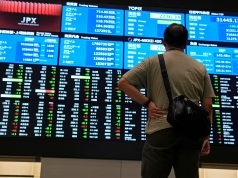
Despite turbulence in individual technology stocks, major Asian equity markets recorded gains on Wednesday.
MSCI’s broadest Asia-Pacific equity index excluding Japan advanced 1.2%, reflecting improved regional market sentiment.
South Korea’s KOSPI reached its highest level in approximately one week, supported by a recovery in technology-related shares.
Japan’s Nikkei 225 gained 1.3%, while US S&P 500 e-mini futures climbed 0.4%.
The positive movements suggested that investors remained willing to take selective risks despite ongoing uncertainty surrounding AI valuations and global economic conditions.
Nevertheless, developments in energy markets continued to influence the broader outlook.
Oil Prices Climb Above $110 Amid Middle East Tensions
Crude oil prices advanced during Asian trading as concerns about supply disruptions in the Middle East persisted.
Brent crude futures rose 1.5% to $110.41 per barrel, recovering after a volatile trading session on Tuesday.
Investors remained concerned about potential disruptions to shipping routes through the Red Sea and threats to energy infrastructure in Saudi Arabia.
Uncertainty surrounding negotiations between the United States and Iran also contributed to elevated oil prices.
Efforts to reach a peace agreement have yet to deliver a lasting resolution, keeping geopolitical risks at the forefront of energy markets.
Higher crude oil prices could increase inflationary pressures globally, complicating central bank policy decisions and potentially limiting gains in equity markets.
European Stock Futures Signal Modest Gains
European equity markets appeared positioned for a slightly stronger opening following the positive performance across much of Asia.
Pan-European stock futures advanced approximately 0.4%, while futures linked to Germany’s DAX also gained 0.4%.
Meanwhile, FTSE 100 futures traded largely unchanged, suggesting a cautious opening for British equities.
Investors continued balancing improving corporate earnings expectations against concerns about energy prices, economic growth, and monetary policy.
Attention also turned toward Indonesia, where the central bank was preparing to announce its latest interest rate decision.
Bank Indonesia moved its scheduled policy announcement press conference forward by 30 minutes to 1:30 p.m. local time, equivalent to 06:30 GMT.
The unusual schedule adjustment followed volatility in Indonesian equities after concerns about a possible MSCI downgrade triggered selling in the Jakarta Composite Index.
The central bank did not provide an explanation for the change.
Tesla, Meta Earnings and UK Inflation Data in Focus
Several major corporate earnings reports and economic releases are expected to influence financial markets on Wednesday.
Investors will closely monitor quarterly results from Tesla, Meta Platforms, Lam Research, Philip Morris International, and SAP.
Tesla’s earnings announcement could attract particular attention following Musk’s comments about a possible SpaceX merger.
Meanwhile, Meta’s results will provide another important indication of corporate investment trends and profitability within the artificial intelligence sector.
In the United Kingdom, investors will assess September inflation figures, including the Consumer Prices Index, Producer Price Index, and Retail Prices Index.
The scheduled economic releases also include the RPI-X inflation measure and public sector net borrowing excluding public sector banks.
These indicators could influence expectations for future Bank of England monetary policy.
With major technology earnings, geopolitical developments, and key economic data converging, global stock markets could experience further volatility.
For Tesla investors, the possible SpaceX merger adds another significant development to monitor as markets evaluate the company’s future strategy.