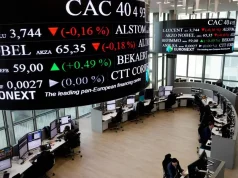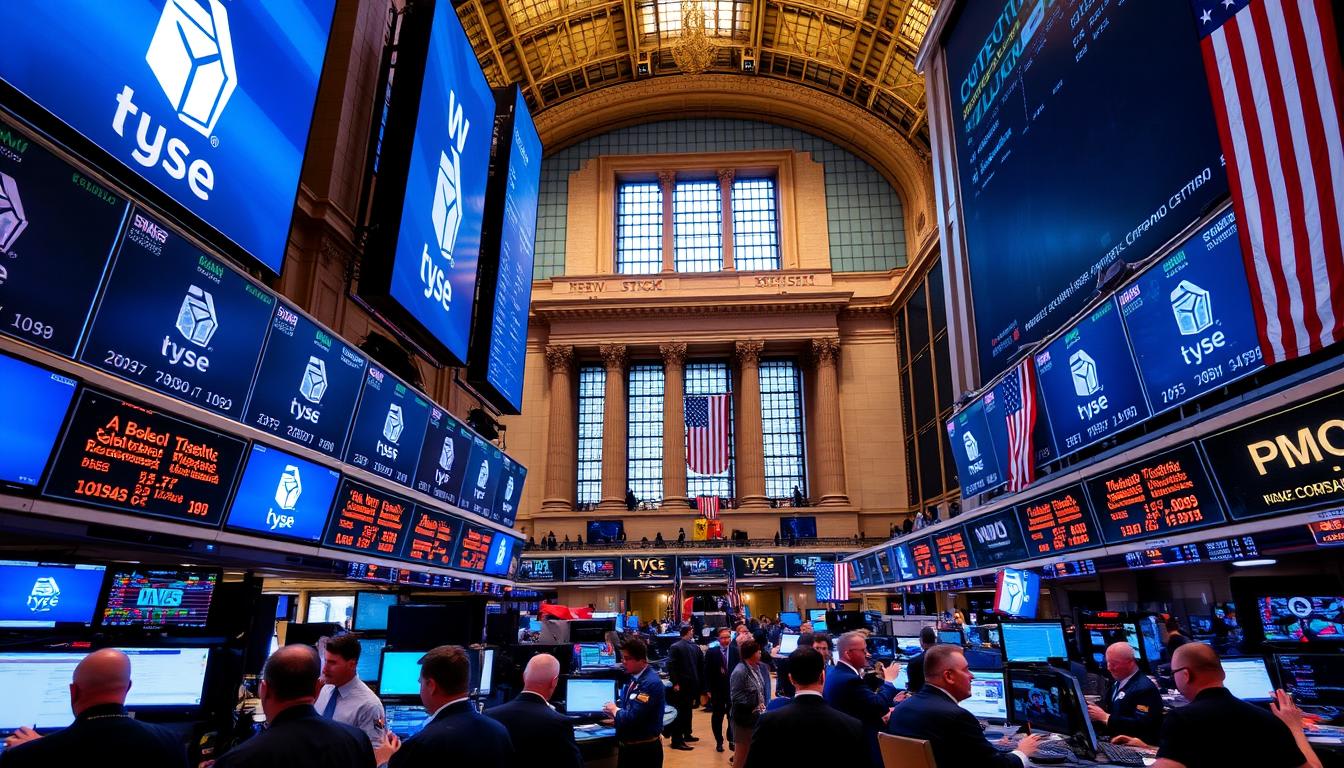
U.S. stocks remained higher on Friday, although major indices gave back part of their earlier gains as Treasury yields moved higher again.
Investor sentiment stayed positive after a weaker-than-expected September jobs report reduced expectations for another immediate Federal Reserve interest rate hike.
U.S. Stocks Stay Higher
The S&P 500 rose around 0.6% to 7,714.81, while the Dow Jones Industrial Average gained approximately 0.3% to 51,082.82.
The Nasdaq Composite climbed about 1.1% to 27,165.89.
Earlier in the session, the technology-heavy index reached a new intraday record of 27,353.68.
September Jobs Growth Slows Sharply
The latest U.S. employment report showed a significant slowdown in hiring.
Nonfarm payrolls increased by just 29,000 in September, according to the Bureau of Labor Statistics.
Economists had expected the U.S. economy to add around 89,000 jobs.
The result represented the weakest monthly jobs growth of the year.
Previous Payroll Figures Revised Lower
Earlier employment data also showed more weakness than previously reported.
Combined payroll growth for July and August was revised lower by 60,000 jobs.
Meanwhile, the U.S. unemployment rate increased to 4.2% in September from 4.1% in August.
The figures provided further evidence that the labor market may be losing momentum.
Fed Rate Hike Expectations Fall
The weaker jobs report caused investors to reduce expectations for another Federal Reserve rate increase in October.
Markets were pricing in roughly an 18% chance of a 25-basis-point rate hike.
At the same time, the probability that the Fed would keep interest rates unchanged climbed to around 82%.
Signs of weaker employment could encourage policymakers to remain cautious, especially because further rate increases could slow economic activity even more.
Inflation Remains a Fed Concern
Despite the softer labor-market data, Federal Reserve officials are still focused on inflation.
Dallas Fed President Lorie Logan said interest rates may need to rise further to bring price pressures under control.
Fed Governor Lisa Cook also highlighted the possibility that strong artificial intelligence investment could contribute to inflationary pressures in 2027.
These comments suggest policymakers remain concerned that inflation could stay elevated even as the labor market begins to weaken.
Fed Officials Differ on Timing
Minneapolis Fed President Neel Kashkari also said additional rate increases may eventually be necessary.
However, he expressed uncertainty over whether the next hike would come at the Fed’s October meeting.
The comments underline the growing debate within the central bank over how quickly monetary policy should tighten further.
Softer Inflation Data Supports Fed Pause
Investors had already reduced expectations for an October rate hike earlier in the week.
The Federal Reserve’s preferred inflation measures came in softer than expected, with both headline and core readings moderating from the previous month.
However, headline inflation remained above the Fed’s 2% annual target.
Markets still expect that another rate increase could occur before the end of the year if inflation remains persistent.
Treasury Market Volatility Continues
Treasury bonds resumed their recent sell-off on Friday after briefly stabilizing.
Higher bond yields limited some of the enthusiasm in equity markets and caused stocks to retreat from their session highs.
Rising Treasury yields can pressure equities because they increase borrowing costs and make government bonds relatively more attractive compared with stocks.
Nike Shares Fall After Weak Outlook
Nike shares were among the notable decliners on Friday, dropping nearly 6%.
The sportswear company announced plans to cut additional jobs and restructure its global business divisions.
CEO Elliott Hill is attempting to accelerate Nike’s turnaround after a period of weaker demand and increasing competition.
Nike Revenue Outlook Disappoints
Nike expects revenue to decline by a high-single-digit percentage in fiscal 2027.
That outlook was significantly weaker than analyst expectations for a decline of around 2%.
The company has been dealing with stronger competition, weaker performance in China and concerns over a lack of major new product innovation.
Nike has not yet confirmed how many jobs will be affected by its restructuring plan.
The company said impacted employees are expected to begin receiving notifications in 2027.
Wall Street Focuses on Fed Policy
For U.S. stocks, investor attention remains centered on the Federal Reserve.
The weak jobs report supports expectations that policymakers may pause before raising rates again.
However, persistent inflation and continued volatility in Treasury markets could limit gains.
Investors will therefore continue monitoring inflation data, employment figures and comments from Fed officials for clues about the direction of monetary policy.