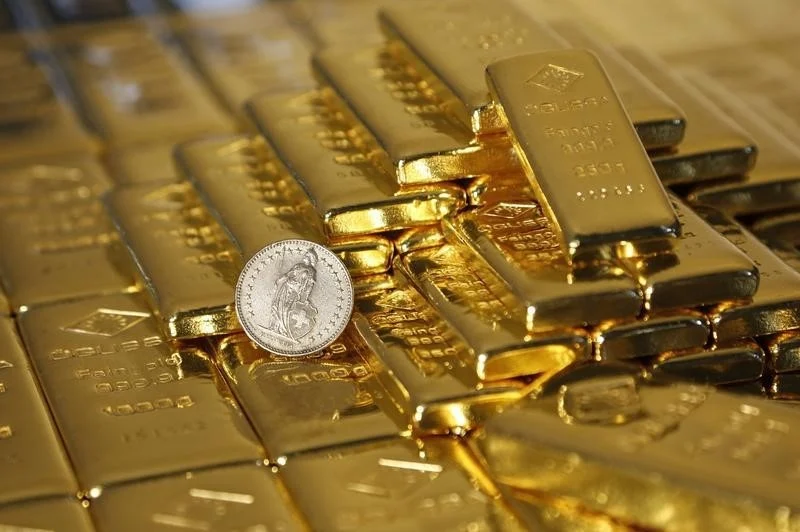
Gold prices moved higher on Thursday after suffering a sharp decline in September. Softer U.S. inflation data reduced expectations for another Federal Reserve interest rate hike, although high Treasury yields and a stronger dollar continued to limit the recovery.
The XAU/USD pair gained around 0.7% to $4,184.68 an ounce, while gold futures also rose 0.7% to $4,214.
Silver advanced 1.4% to $61.27, while platinum climbed 0.5% to $1,725.77. Meanwhile, the U.S. Dollar Index rose 0.2% to 101.66.
Softer PCE Inflation Reduces Fed Hike Expectations
The latest U.S. inflation figures provided some relief for gold investors.
The Federal Reserve’s preferred measure of underlying inflation, the core Personal Consumption Expenditures Price Index, increased 0.2% in August. The result came in below expectations.
The previous month’s figure was also revised lower, adding to signs that inflation pressures may be easing.
Following the data, traders sharply reduced expectations for another Federal Reserve rate increase at its October meeting.
The implied probability of a hike fell to around 34%, compared with nearly 70% earlier in the week.
Strong Consumer Spending Keeps Treasury Yields High
Despite softer inflation, U.S. consumer spending remained strong.
Spending increased at its fastest pace in more than a year during August. This reinforced expectations that the U.S. economy remains resilient despite higher borrowing costs.
As a result, longer-term Treasury yields stayed close to multi-decade highs.
High bond yields remain a challenge for gold because they make interest-bearing assets more attractive compared with precious metals.
Gold Suffers Sharp September Loss
Gold fell around 6% in September, marking its weakest monthly performance since June.
The decline followed the Federal Reserve’s first interest rate increase since 2023. Policymakers also indicated that additional monetary tightening could remain necessary if inflation stays elevated.
Higher interest rate expectations helped push bond yields higher and increased pressure on gold prices.
Rising Bond Yields Limit Gold’s Recovery
Global government bond yields also climbed during September.
Concerns over rising government debt, fiscal deficits and heavier bond issuance contributed to higher long-term borrowing costs.
Because gold does not provide interest income, rising yields increase the opportunity cost of holding the metal.
This dynamic continues to limit gold’s upside even as inflation data becomes more supportive.
U.S. Jobs Report Comes Into Focus
Gold entered October with some support from the softer PCE inflation reading.
However, elevated Treasury yields and the possibility of further Federal Reserve tightening remain important risks for the precious metal.
Investors are now turning their attention to the upcoming U.S. jobs report, which could provide further guidance on the Federal Reserve’s interest rate outlook.
A weaker labor-market reading could strengthen expectations for a less aggressive Fed, while stronger employment data could keep pressure on gold.