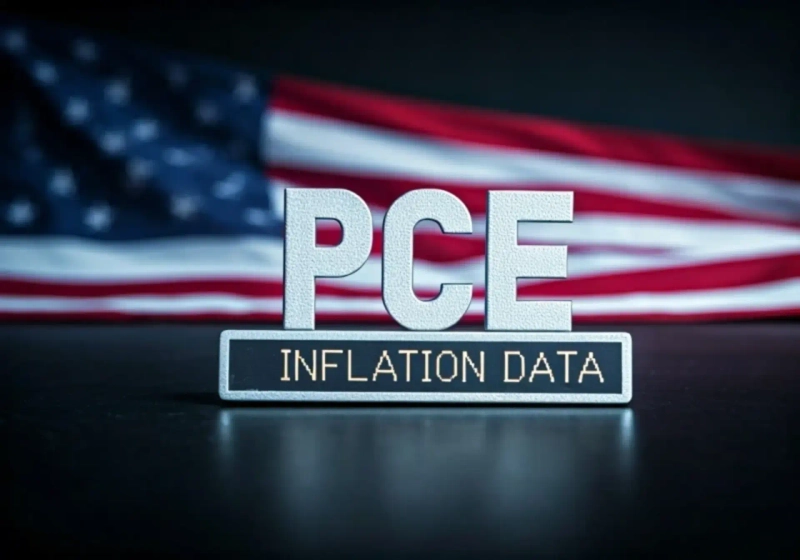
U.S. core PCE inflation rose less than expected in August, potentially reducing the chances of another Federal Reserve interest rate increase in October.
The core Personal Consumption Expenditures price index, which excludes volatile food and energy prices, increased 0.2% month-on-month, according to data from the Bureau of Economic Analysis.
Economists had expected a 0.3% increase.
Core PCE Inflation Comes in Below Forecasts
The 0.2% monthly rise followed a 0.1% increase in July.
On an annual basis, core PCE inflation stood at 3.0% in August.
That matched July’s annual rate but also came in below market expectations.
The report suggests that underlying inflation pressures may be easing, although inflation remains above the Federal Reserve’s long-term target.
Headline PCE Inflation Also Misses Estimates
Headline PCE inflation, which includes food and energy prices, also came in below forecasts.
The index rose 0.3% month-on-month in August.
On an annual basis, headline inflation stood at 3.4%.
In July, the measure had increased 0.1% month-on-month and 3.4% year-on-year.
The softer-than-expected figures could influence expectations for the Federal Reserve’s next policy decision.
Federal Reserve Watches PCE Closely
The Federal Reserve closely monitors PCE inflation when setting interest rates.
The central bank has a long-term inflation target of 2%.
Earlier this month, the Fed raised interest rates as policymakers responded to renewed inflation pressures, particularly those linked to energy prices.
However, debate has intensified over whether another rate hike will be necessary before the end of the year.
October Rate-Hike Odds Ease
New York Fed President John Williams recently suggested that policymakers may not need to move quickly with another rate increase in October.
The Federal Open Market Committee is scheduled to meet again on Oct. 27-28.
It will then hold another meeting on Dec. 8-9.
Expectations for an immediate October rate hike have already moderated following Williams’ comments and the softer PCE inflation report.
Still, the possibility of another increase later in the year remains.
According to the Federal Reserve’s latest projections, 16 of the 18 policymakers expected at least one more rate hike before the end of the year.
Investors Reassess Fed Policy Outlook
Northlight Asset Management Chief Investment Officer Chris Zaccarelli said the mixed data suggests the Fed may have been justified in raising rates this month.
However, continued improvement in inflation could allow policymakers to pause at an upcoming meeting.
That could also reduce fears that the Fed will deliver several consecutive rate increases.
For financial markets, the key question is whether inflation continues to cool without significantly weakening economic growth.
U.S. GDP Revised Higher
Separate data also showed that the U.S. economy performed better than previously estimated during the second quarter.
Second-quarter gross domestic product was revised higher to an annualized growth rate of 2.2%.
The previous estimate had placed growth at 1.5%.
The stronger reading suggests that the U.S. economy maintained more momentum between April and June than earlier figures indicated.
Consumer Spending Jumps in August
Consumer spending also delivered a strong surprise.
Spending increased 0.9% in August, sharply higher than the downwardly revised 0.1% increase recorded in July.
Consumer activity is a major driver of the U.S. economy, so the stronger figure may support expectations for solid growth during the third quarter.
However, the spending data came shortly after a Conference Board survey showed consumer confidence falling to its lowest level in nearly 12 and a half years.
Markets See a Potential Goldilocks Scenario
Fifth Third Wealth Advisors Chief Investment Officer Chris Osmond described the latest data as a favorable combination for markets.
Economic growth was stronger than expected, consumer spending remained robust, and inflation came in below forecasts.
At the same time, the labor market showed signs of improvement.
Together, these developments may reduce the probability of an October Federal Reserve rate hike while leaving the possibility of another increase later in the fourth quarter.
Core PCE Keeps Fed Policy in Focus
The latest U.S. core PCE inflation report provides some relief for investors concerned about aggressive monetary tightening.
Inflation remains above the Federal Reserve’s 2% target, but the softer August reading suggests price pressures may be moving in the right direction.
Markets will now focus on upcoming inflation, employment, and consumer data for more clues about whether the Fed will pause in October or consider another rate hike later this year.