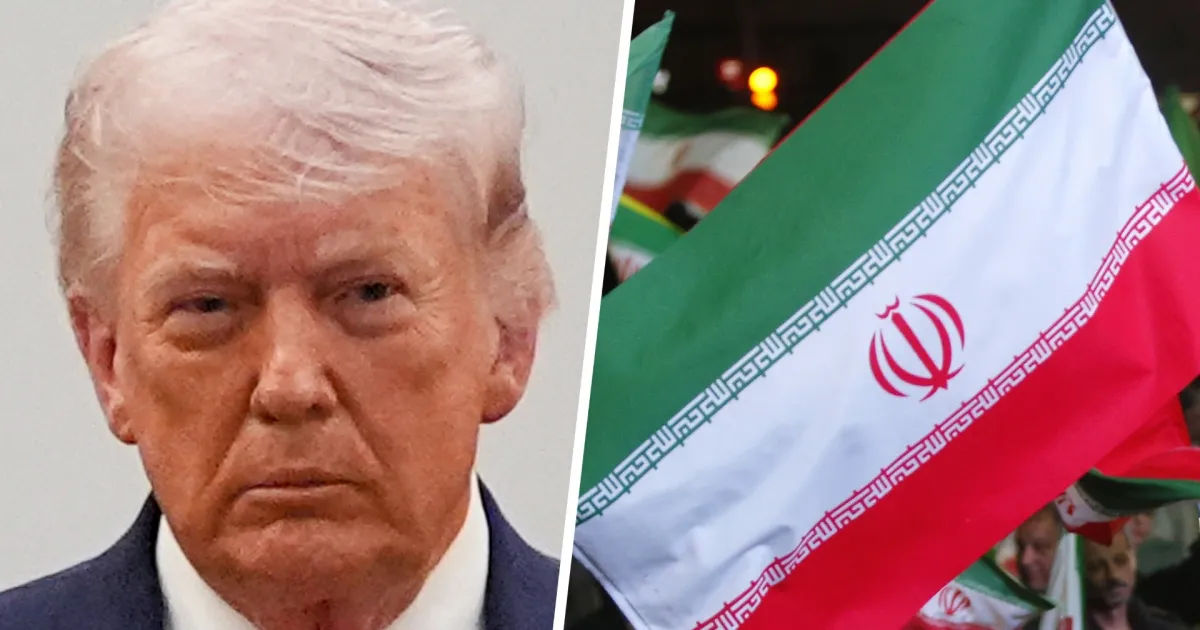
US President Donald Trump has denied reports that Washington offered Iran sanctions relief or access to frozen funds in exchange for progress on Tehran’s nuclear programme.
The denial comes as Iran signals that it remains willing to pursue negotiations with the United States. Meanwhile, continued uncertainty surrounding the conflict and the Strait of Hormuz is keeping global energy markets on edge.
Trump Denies Offering Iran Sanctions Relief
Trump rejected reports suggesting that the US was prepared to ease sanctions on Iran as part of a potential agreement.
Axios and CNN had reported, citing unnamed US officials, that Washington could consider sanctions relief and the release of frozen Iranian assets if Tehran demonstrated meaningful progress on nuclear issues.
Trump disputed those accounts in a post on Truth Social, saying that he had made no such offer.
Preventing Iran from obtaining a nuclear weapon has remained one of the Trump administration’s stated objectives during the conflict.
Iran maintains that it does not seek nuclear weapons. However, Tehran argues that it has the right to maintain a domestic nuclear programme for peaceful purposes.
Iran Signals Willingness to Resume Talks
Iranian President Masoud Pezeshkian said Tehran remained prepared to negotiate over its nuclear programme and other outstanding issues.
However, he stressed that Iran would not accept negotiations conducted under threats or coercion.
Pezeshkian also repeated Iran’s position that it does not intend to develop nuclear weapons, while insisting that the country will defend itself against military and political pressure.
US and Iranian representatives have continued communicating separately with mediators as diplomatic efforts seek a possible end to the seven-month conflict.
Strait of Hormuz Remains Central to Negotiations
Iran has said diplomacy remains the only viable solution to its conflict with the United States and Israel.
Iranian Foreign Minister Abbas Araqchi has linked any reopening of the Strait of Hormuz to Tehran’s conditions being addressed through negotiations.
The waterway is particularly important to global energy markets because a significant share of international oil and gas shipments passes through the region.
Araqchi previously outlined a proposal that could have started a seven-day process toward reopening the strait and reducing regional hostilities.
Trump Rejects Iran’s Proposal
Trump rejected Iran’s latest proposal over the weekend and argued that Tehran was pushing for an agreement because of mounting pressure from the conflict.
Iranian officials, however, said mediators had not yet formally communicated a definitive US response to Tehran.
Araqchi said Iran would wait for the official position to be delivered through mediators before deciding on its next steps.
Middle East Conflict Keeps Energy Markets on Edge
The US-Israeli conflict with Iran began in February and has since expanded across the region.
Thousands of people have been killed, while disruptions to Middle Eastern energy flows have contributed to higher oil prices and renewed concerns about global inflation.
Iran and allied groups have responded with attacks across the region. Meanwhile, Houthi activity in Yemen has added to concerns surrounding Saudi Arabia and energy exports through key shipping routes.
These developments have kept traders focused on the risk of further disruptions to global crude supplies.
Oil Prices Rise on Supply Concerns
Oil prices advanced for a second consecutive session on Tuesday as concerns over Middle Eastern supply outweighed signs of improving crude exports from the region.
Brent crude climbed above $106 per barrel during Asian trading, while US West Texas Intermediate crude moved to around $94 per barrel.
Despite a recovery in some regional oil exports, markets remain sensitive to developments involving Iran and the Strait of Hormuz.
Any escalation that threatens energy shipments through the region could place additional upward pressure on crude prices.
US-Iran Talks Remain in Focus
Investors are now closely watching whether renewed mediation can produce progress between Washington and Tehran.
Iran continues to publicly support a negotiated settlement while maintaining its conditions over the nuclear programme and the Strait of Hormuz. Trump, meanwhile, has rejected reports that Washington has already offered sanctions relief as part of those discussions.
The outcome of the talks could have significant implications beyond the Middle East. A diplomatic breakthrough could reduce pressure on energy markets, while another escalation could increase concerns over oil supplies, inflation and global financial-market volatility.