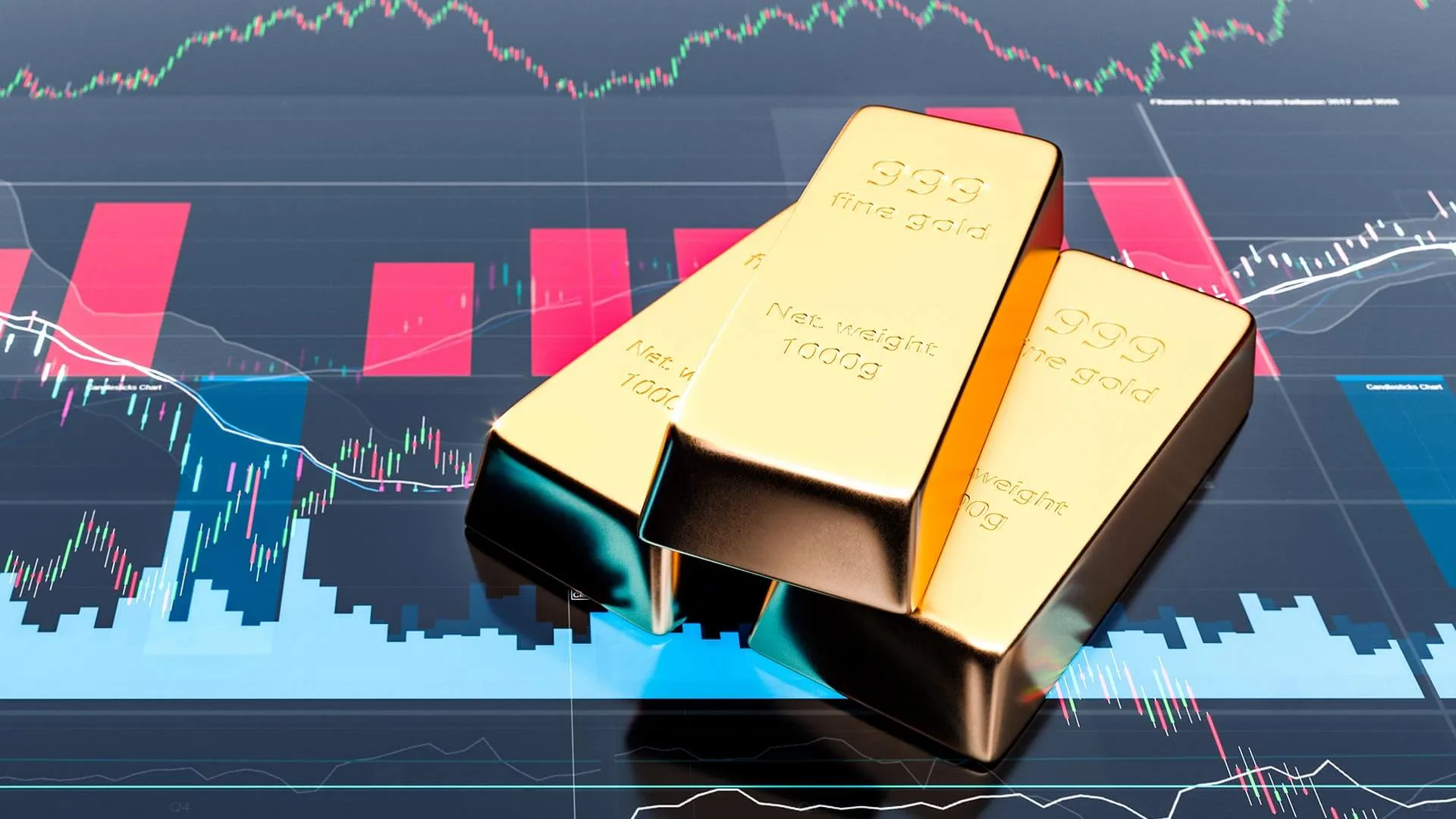
Gold prices moved lower on Thursday, extending the sharp losses seen in the previous session as investors increased bets on further Federal Reserve interest rate hikes this year.
By 09:31 ET, spot gold had fallen 0.3% to $4,275.09 an ounce, while gold futures declined 0.2% to $4,310.60 an ounce.
Gold Prices Face Pressure From Fed Rate Expectations
Gold remains highly sensitive to changes in the Federal Reserve’s interest rate outlook.
Investors are weighing whether higher energy prices could keep inflation elevated and force the central bank to maintain tighter monetary policy for longer.
Higher interest rates generally create pressure on gold because the precious metal does not pay interest. When bond yields rise, income-producing assets can become more attractive compared with non-yielding bullion.
Oil Prices Climb Back Above $100
Another source of pressure came from a renewed rise in crude oil prices.
Benchmark Brent oil moved back above $100 per barrel as expectations for an imminent diplomatic resolution to the conflict involving Iran weakened.
Iranian President Masoud Pezeshkian told the United Nations that Iran would not guarantee freedom of navigation through the Strait of Hormuz while US sanctions and restrictions remained in place.
US President Donald Trump had previously said his administration held constructive discussions with Iranian representatives during the United Nations General Assembly, although tensions between Washington and Tehran remained elevated.
Strong US Economic Data Supports Rate Hike Bets
Investors were also digesting fresh economic data showing that US business activity expanded at its fastest pace in more than five years during September.
The combination of resilient economic growth and higher energy costs has raised concerns that inflation could remain persistent.
As a result, traders increased expectations for another Federal Reserve rate hike.
According to CME FedWatch data cited in the original report, markets were pricing in approximately a 77.5% probability of an October rate increase, up from 55.4% one week earlier.
The probability of another increase in December had also climbed above 58%, compared with 41.7% the previous week.
Treasury Yields Rise Sharply
The change in interest rate expectations triggered a significant selloff in government bonds.
The benchmark 10-year US Treasury yield recorded its largest daily increase since April 2025.
Because bond yields move inversely to bond prices, the rise reflected growing expectations that US borrowing costs could remain elevated.
Higher Treasury yields added further pressure to gold prices by increasing the opportunity cost of holding the precious metal.
Federal Reserve Maintains Hawkish Stance
At its September meeting, the Federal Reserve raised interest rates by 25 basis points as policymakers continued efforts to control inflation.
Higher borrowing costs are designed to reduce demand and help contain price pressures.
However, tighter monetary policy can also slow economic activity, creating a difficult balance for the central bank if inflation remains high while growth begins to weaken.
Trump-Xi Summit Could Influence Metals Markets
Investors are also watching the upcoming meeting between Donald Trump and Chinese President Xi Jinping.
Analysts at Britannia Global Markets said the summit could have implications for metals markets, particularly if the two countries make progress on trade or critical-mineral supplies.
A broader agreement or concessions involving critical minerals could support metals prices.
On the other hand, renewed trade tensions or tariff risks could create additional volatility.
Analysts said investors should pay close attention to any metals-specific language in the official statements following the meeting.
Gold Outlook Remains Tied to Rates and Oil
Gold prices are currently being pulled between competing forces.
Geopolitical uncertainty and higher oil prices can increase demand for safe-haven assets. However, rising Treasury yields and expectations for further Federal Reserve tightening are creating strong downward pressure.
For now, the direction of gold is likely to remain closely linked to interest rate expectations, inflation concerns, oil prices and US bond yields.