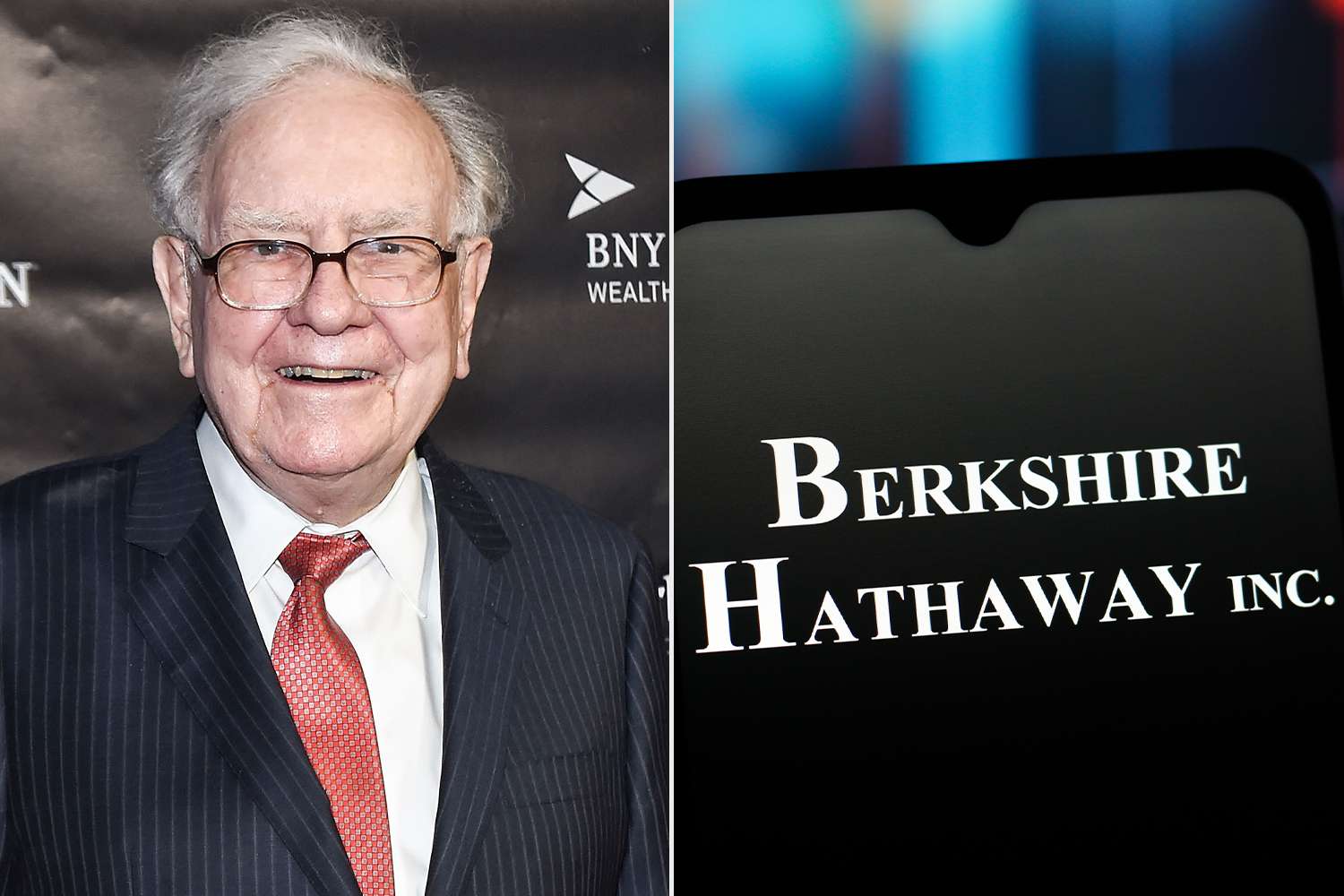
Berkshire Hathaway announced on Friday that Warren Buffett has stepped down as chairman and will become chairman emeritus, effective immediately.
The leadership change comes nine months after Buffett handed the chief executive role to longtime Berkshire executive Greg Abel.
Berkshire named Buffett’s son, Howard Buffett, as its new chairman. Howard has served as a director of the company since 1993.
Warren Buffett Ends a Historic Berkshire Tenure
Warren Buffett is widely credited with transforming Berkshire Hathaway from a struggling textile business into a conglomerate valued at roughly $1.1 trillion.
During his decades at the company, Buffett developed an investment philosophy centered on long-term ownership, disciplined capital allocation and strong business fundamentals.
His approach influenced generations of investors, corporate executives and fund managers.
Berkshire remains the only financial company among the group of businesses valued at more than $1 trillion, a category otherwise dominated by large technology companies.
Berkshire Shares Slip After Leadership Change
Berkshire Hathaway Class B shares fell around 0.3% in premarket trading following the announcement.
For years, investors have often attached a so-called “Buffett premium” to Berkshire shares because of Warren Buffett’s reputation and leadership.
That premium has shown signs of narrowing since Buffett announced his decision to step down as CEO.
According to LSEG data, Berkshire’s price-to-book ratio has declined from around 1.62 to approximately 1.53 since the succession announcement.
Brian Jacobsen, chief economic strategist at Annex Wealth Management, described the transition as the final stage of a succession process Berkshire had been preparing for over many years.
A Six-Decade Legacy at Berkshire Hathaway
Buffett, now 96, has been associated with Berkshire Hathaway since 1965.
In a letter to shareholders, he reflected on his long career and acknowledged that age had ultimately shaped the timing of his departure.
His influence extended far beyond Berkshire itself.
Corporate leaders regularly sought Buffett’s advice on acquisitions, succession planning and major market crises. Meanwhile, Berkshire’s annual shareholder meetings became one of the most closely followed events in global investing.
Buffett Will Remain Involved as Chairman Emeritus
Warren Buffett will not completely leave Berkshire Hathaway.
The company said he will remain a member of the board of directors and continue providing his perspective and judgment.
The title of chairman emeritus is generally given to a retired chairman or founder in recognition of their long-term contribution to a company.
Buffett first revealed plans to step away from Berkshire in May 2025.
The announcement surprised some investors despite his age because Buffett had become closely identified with the company after decades of leadership.
Howard Buffett Takes Over as Chairman
Howard Buffett, often known as Howie, will become chairman but will not take on an operational management role.
His main responsibility will be to help protect Berkshire Hathaway’s corporate culture.
Greg Abel will continue to run the company as CEO and oversee several major Berkshire businesses.
Vice Chairman Ajit Jain remains responsible for Berkshire’s insurance operations, while President Adam Johnson oversees the company’s consumer, services and retail subsidiaries.
Preserving Berkshire Hathaway’s Culture
Howard Buffett has previously described Berkshire’s culture as one built around simplicity, honesty and respect.
That philosophy includes allowing Berkshire’s individual businesses to operate independently without excessive interference from corporate headquarters.
Managers are generally trusted to run their companies, while Berkshire focuses on capital allocation and long-term performance.
Greg Abel is viewed as more willing than Warren Buffett to address underperformance within individual businesses when necessary.
Berkshire’s Vast Business Empire
Berkshire Hathaway owns a wide range of businesses across multiple industries.
Its operations include Geico insurance, BNSF Railway, energy and industrial companies, Dairy Queen and several long-established consumer brands.
The conglomerate also owns hundreds of billions of dollars in publicly traded stocks and U.S. Treasury securities.
Its diversified structure has helped make Berkshire one of the largest and most closely followed companies in the world.
Berkshire Earnings Remain Strong
Berkshire also continues to report strong financial results.
During the second quarter, operating profit rose 16% to $12.98 billion, exceeding analyst expectations.
Net income more than doubled to $25.67 billion.
That figure included unrealized gains and losses from Berkshire’s large equity portfolio.
The leadership transition therefore comes at a time when the company remains financially strong, even as investors adjust to a post-Buffett era.
A New Chapter for Berkshire Hathaway
The appointment of Howard Buffett as chairman marks another major step in Berkshire Hathaway’s long-planned succession strategy.
Warren Buffett’s day-to-day leadership may be over, but his influence is likely to remain embedded in the company’s culture, investment philosophy and management structure.
With Greg Abel leading operations and Howard Buffett overseeing the board, Berkshire now enters a new phase while attempting to preserve the principles that shaped the company over the past six decades.