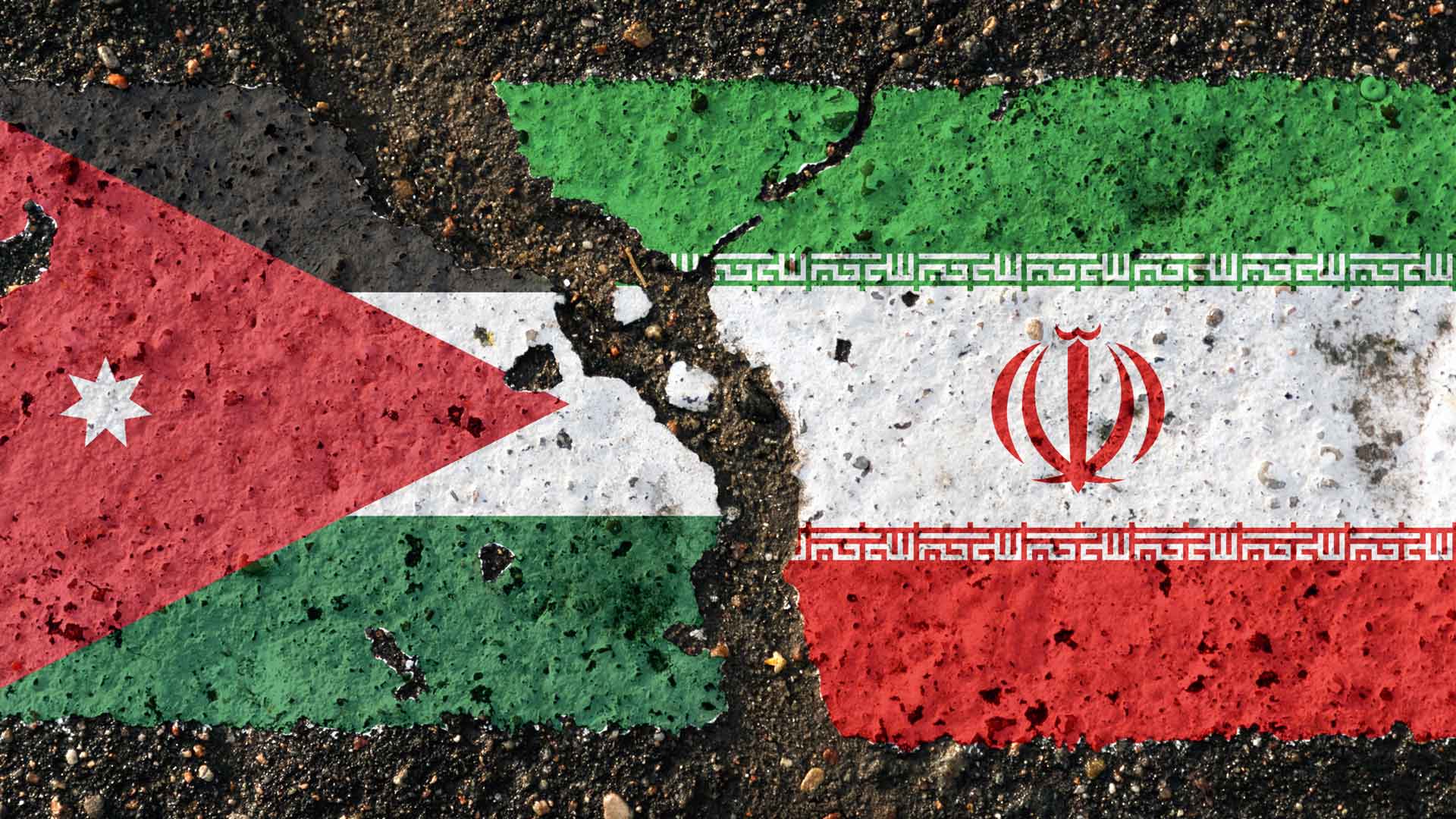
Iran intensified its confrontation with the United States on Wednesday by launching ballistic missiles toward a U.S. military base in Jordan and attacking ships near the Strait of Hormuz.
The strikes came after Washington said it had destroyed five Iranian oil tankers following earlier attacks on U.S. naval forces.
Iran Launches Missile Attack Toward U.S. Base in Jordan
Iran’s Islamic Revolutionary Guard Corps said it carried out a major missile attack against a U.S. base near Al Azraq in eastern Jordan.
Jordan’s armed forces said its air defenses intercepted 18 of the 20 ballistic missiles fired toward the country.
The remaining two missiles landed in unpopulated areas, according to Jordanian authorities.
No casualties were reported.
Iran Says 10 Ships Were Targeted
The IRGC also said it attacked 10 ships in and around the Strait of Hormuz.
According to the group, the targets included two U.S. vessels and eight oil tankers.
The latest attacks represent another expansion of military activity around the Gulf, where shipping routes have already faced growing security risks.
U.S. Says Five Iranian Oil Tankers Were Destroyed
The escalation followed an announcement from the U.S. military that five Iranian oil tankers had been destroyed.
U.S. officials said the strikes came after Iran’s Revolutionary Guards made two attempts to hit a U.S. Navy warship with ballistic missiles.
U.S. Central Command said crews aboard the tankers were ordered to leave the vessels before they were struck and rendered inoperable.
U.S. Warship Avoids Missile Attacks
According to U.S. Central Command, the targeted warship successfully avoided both missile attacks.
The vessel continued operating in regional waters after the incident.
No U.S. military personnel were reported injured.
Washington Warns Iran Over Further Attacks
U.S. Secretary of State Marco Rubio warned Tehran that Washington would continue targeting Iranian oil tankers in response to attacks on American warships.
The warning added to concerns that the conflict could expand further across the region.
Any additional attacks on military or energy infrastructure could increase the risk of a broader confrontation.
Houthi Attacks Add to Regional Tensions
The latest developments came shortly after Iran-backed Houthi forces launched attacks on Saudi Arabia.
The strikes reportedly hit energy and economic facilities in several southern Saudi cities.
More than 70 people were injured in the attacks, according to local reports.
The incidents have increased concerns about the security of energy infrastructure across the Gulf.
Strait of Hormuz Becomes a Key Risk
The latest exchange between Iran and the United States has raised fears about shipping through the Strait of Hormuz.
The waterway is one of the most important routes for global oil supplies.
Any major disruption could reduce the flow of crude oil from Gulf producers and increase pressure on global energy markets.
Oil Prices Move Toward $100
Oil prices climbed toward $100 per barrel on Wednesday as traders assessed the risk of further supply disruptions.
Investors are increasingly focused on whether military activity around the Strait of Hormuz could affect tanker traffic and regional exports.
A prolonged disruption could push crude prices higher and add to global inflation concerns.
U.S.-Iran Tensions Keep Markets on Alert
The confrontation between Iran and the United States has entered a more dangerous phase, with attacks now involving military bases, naval vessels, and oil tankers.
Markets will remain highly sensitive to developments around Jordan, the Gulf, and the Strait of Hormuz.
Further escalation could have major implications for oil prices, global shipping, and broader financial market sentiment.