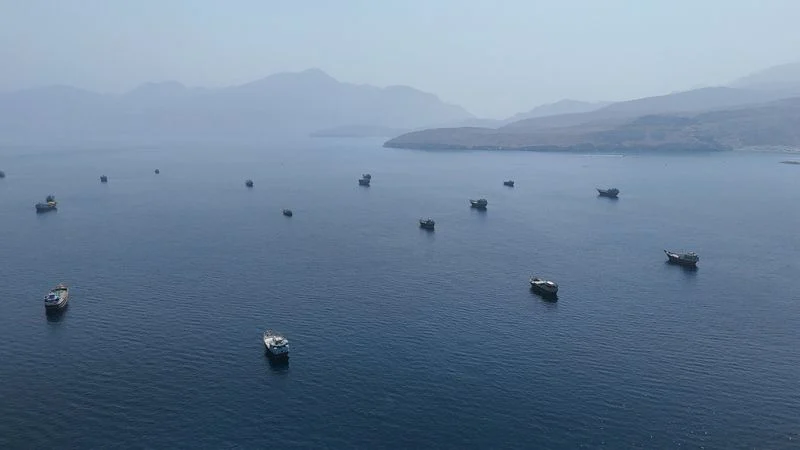
Shipping traffic through the Strait of Hormuz slowed at the start of the week after Iran warned that it could retaliate against any new US attacks.
The strategic waterway is one of the world’s most important routes for oil and commodity shipments. Any disruption to traffic through the strait can quickly raise concerns across global energy markets.
Strait of Hormuz Shipping Activity Declines
According to data from Kpler, seven commodity vessels travelled through the Strait of Hormuz on Monday.
That was slightly lower than the eight vessels recorded on the previous day.
The decline came as tensions in the region remained elevated following Iran’s latest warnings.
Iran Warns Gulf Energy Infrastructure Could Be at Risk
Iran said that energy infrastructure across the Gulf could be vulnerable if further US attacks take place.
The warning included oil and gas assets linked to US interests in the region.
Such threats have increased concerns that a broader escalation could disrupt energy production or shipping routes across the Middle East.
The Strait of Hormuz is particularly important because large volumes of global oil and liquefied natural gas pass through the waterway.
Goldman Sachs Raises Oil Price Forecasts
Growing concerns about shipping disruptions have also influenced expectations for global oil prices.
Goldman Sachs raised its forecasts for both Brent crude oil and West Texas Intermediate crude oil for December 2026 and 2027.
The bank expects shipping disruptions in the Middle East to continue into next year.
Persistent disruption could tighten energy supplies and increase transportation costs, which may place additional upward pressure on oil prices.
Bab el-Mandeb Traffic Increases
While traffic slowed through the Strait of Hormuz, shipping activity increased through the Bab el-Mandeb Strait.
The waterway is another major route for global commodity and energy shipments.
Kpler data showed that 29 commodity vessels passed through Bab el-Mandeb on Monday.
That was significantly higher than the 17 vessels recorded on the previous day.
The increase suggests that shipping activity across the region remains uneven as operators adjust routes amid ongoing geopolitical risks.
Vessel Tracking Data May Not Show the Full Picture
Official vessel counts may not capture every ship travelling through the two waterways.
Some vessels may choose to sail with their transponders switched off, making them harder to track through standard monitoring systems.
As a result, the actual level of shipping activity through the Strait of Hormuz and Bab el-Mandeb could be higher than reported.
Middle East Shipping Risks Remain in Focus
The latest developments highlight the growing importance of geopolitical risk for global energy markets.
Any major disruption to the Strait of Hormuz could affect oil supplies, shipping costs and crude prices worldwide.
Investors and energy traders will continue watching shipping activity, regional tensions and any further threats involving Gulf energy infrastructure.