Oil prices moved higher in early trading on Wednesday, extending the sharp gains seen in the previous session as concerns over possible supply disruptions intensified.
The latest rise followed another exchange of strikes between the United States and Iran, reducing hopes that tensions in the Middle East would ease quickly.
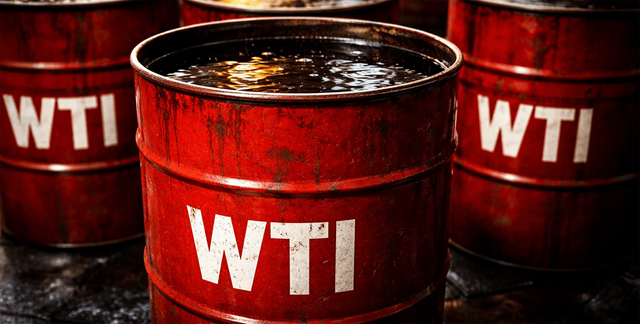
Brent crude futures climbed $1.03, or 1.1%, to $95.68 per barrel by 0605 GMT. U.S. West Texas Intermediate crude rose 61 cents, or 0.7%, to $90.83 per barrel.
Both benchmarks had already surged by more than $4 on Tuesday. Brent recorded its strongest daily gain since July 24, while WTI posted its biggest advance since July 23.
Fresh U.S.-Iran Strikes Raise Supply Concerns
The United States said it carried out a series of airstrikes against targets in Iran overnight.
Tehran responded with its own attacks, marking one of the most serious escalations between the two countries in recent weeks.
The renewed conflict has increased concerns that energy supplies from the region could face further disruption.
Strait of Hormuz Remains a Key Risk
The Islamic Revolutionary Guard Corps said the latest U.S. strikes could lead to tighter restrictions on traffic through the Strait of Hormuz.
The waterway is one of the most important routes for global energy markets. Before the conflict, roughly one-fifth of the world’s oil consumption passed through the strait.
Commercial shipping through the area has already faced major disruption.
ING analysts said recent developments had once again brought risks to regional oil supplies into focus.
They noted that some oil shipments had continued despite tensions between the U.S. and Iran, but warned that the latest escalation was increasing the risks facing vessels using the route.
Regional Military Activity Intensifies
Iran also said it had launched ballistic missiles toward a U.S. military base in Jordan and carried out a large-scale drone attack against another U.S. facility in Bahrain.
Jordan’s military said its air defences intercepted 10 of the 13 ballistic missiles that entered its airspace.
Two U.S. officials said no American casualties had been reported from the attacks at that stage.
Kuwait also said its armed forces were responding to hostile drone activity, highlighting the broader regional impact of the conflict.
Tanker Attacks Add Further Pressure
The latest escalation followed another flare-up in hostilities over the weekend, the first major increase in tensions since July.
Concerns were already elevated after attacks on two tankers leaving the Strait of Hormuz on Monday.
Those incidents caused further disruption to oil flows and encouraged some traders to search for alternative crude supplies.
Oil Market Risk Premium Remains Elevated
Priyanka Sachdeva, head of market insights at Phillip Nova, said traders were no longer focusing only on the possibility of war.
Instead, markets are increasingly assessing the economic impact of a conflict that could remain unresolved for a prolonged period.
She added that the risk premium in crude oil is likely to remain high until there is clearer evidence that negotiations can produce a lasting agreement and normal oil flows through the Strait of Hormuz can resume.
U.S. Crude Inventories Decline
Supply data from the United States also provided support for oil prices.
U.S. crude inventories fell by 2.6 million barrels during the week ending August 28, according to market sources citing data from the American Petroleum Institute.
Distillate inventories, which include diesel and heating oil, declined by around 265,000 barrels.
The drop in inventories added another supportive factor for crude prices at a time when geopolitical risks are already keeping the market on edge.
Oil Traders Focus on Middle East Supply Risks
The outlook for oil prices remains closely tied to developments between the U.S. and Iran.
Any further disruption to shipping through the Strait of Hormuz could have a significant impact on global crude supplies and keep oil prices elevated.
For now, investors are likely to continue watching military developments, shipping activity and diplomatic efforts for signs that tensions are either easing or becoming more severe.