European stocks moved lower on Monday as investors reacted to a sharp escalation in Middle East tensions, rising oil prices and growing expectations for higher U.S. interest rates.
The pan-European STOXX 600 slipped around 0.1%, while crude oil climbed above $90 per barrel. The move added to inflation concerns and increased pressure on equity valuations across the region.
European Stocks Slip as Risk Appetite Weakens
Gains in major energy companies were not enough to offset broader selling across European markets.
Investors faced a combination of rising geopolitical risks, higher borrowing costs and uncertainty surrounding the outlook for monetary policy in both the United States and Europe.
The cautious tone followed fresh U.S.-Iran military exchanges over the weekend and a hawkish shift in global bond markets.
Federal Reserve Chair Kevin Warsh also warned at the Jackson Hole symposium that policymakers still have work to do to bring inflation under control.
Middle East Escalation Pushes Oil Above $90
Crude oil futures jumped nearly 3% to around $90.60 per barrel following renewed military action in the Strait of Hormuz.
U.S. forces carried out strikes against two Iranian rocket launchers on Larak Island.
Iran later responded by targeting U.S. military positions in Jordan.
The confrontation ended a short period of relative calm and reduced expectations for a quick diplomatic agreement that could restore safer commercial shipping through the region.
Higher Oil Prices Revive Inflation Concerns
The rally in crude prices increased concerns over higher energy costs for European businesses.
Industries that rely heavily on transportation, manufacturing and raw materials could face renewed cost pressures if oil prices remain elevated.
At the same time, higher crude prices supported major European energy companies, helping limit losses in the broader market.
However, investors remained concerned that another energy-driven inflation wave could complicate the outlook for central bank policy.
Fed Rate Hike Odds Rise to 60%
European equities also faced pressure from changing expectations for U.S. interest rates.
Fed funds futures indicated roughly a 60% probability of a 25-basis-point rate hike at the Federal Reserve’s September 16 meeting.
That was significantly higher than the approximately 35% probability priced in before Warsh’s Jackson Hole speech.
The shift has pushed bond yields higher and reduced investor appetite for riskier assets.
U.S. Economic Data Takes Center Stage
Markets are now preparing for an important week of U.S. economic releases.
The July JOLTS report is due on Tuesday and is expected to provide more information about labor market conditions.
August ADP private payroll data will follow on Wednesday, while Friday’s closely watched nonfarm payrolls report is expected to show an improvement in hiring.
Investors will also monitor the August consumer price index due on September 11.
The inflation report could play a major role in determining whether the Federal Reserve raises rates at its September meeting.
Fed Officials Could Clarify Policy Outlook
Comments from other Federal Reserve officials will also attract attention.
Fed Governor Michael Barr is scheduled to speak on Tuesday, followed by Christopher Waller on Thursday.
Investors will be looking for signs that Warsh’s more hawkish position is supported by other voting members of the central bank.
A broader consensus in favor of tighter policy could increase expectations for another rate increase.
ECB Rate Decision Also in Focus
European investors are also preparing for new euro zone inflation data later this week.
The figures are expected to show that underlying price pressures remain persistent.
If inflation remains elevated, markets could strengthen expectations for another 25-basis-point rate increase from the European Central Bank at its September 10 meeting.
The prospect of tighter policy from both the Fed and ECB is adding further pressure to European equity markets.
DAX Falls While CAC 40 Holds Steady
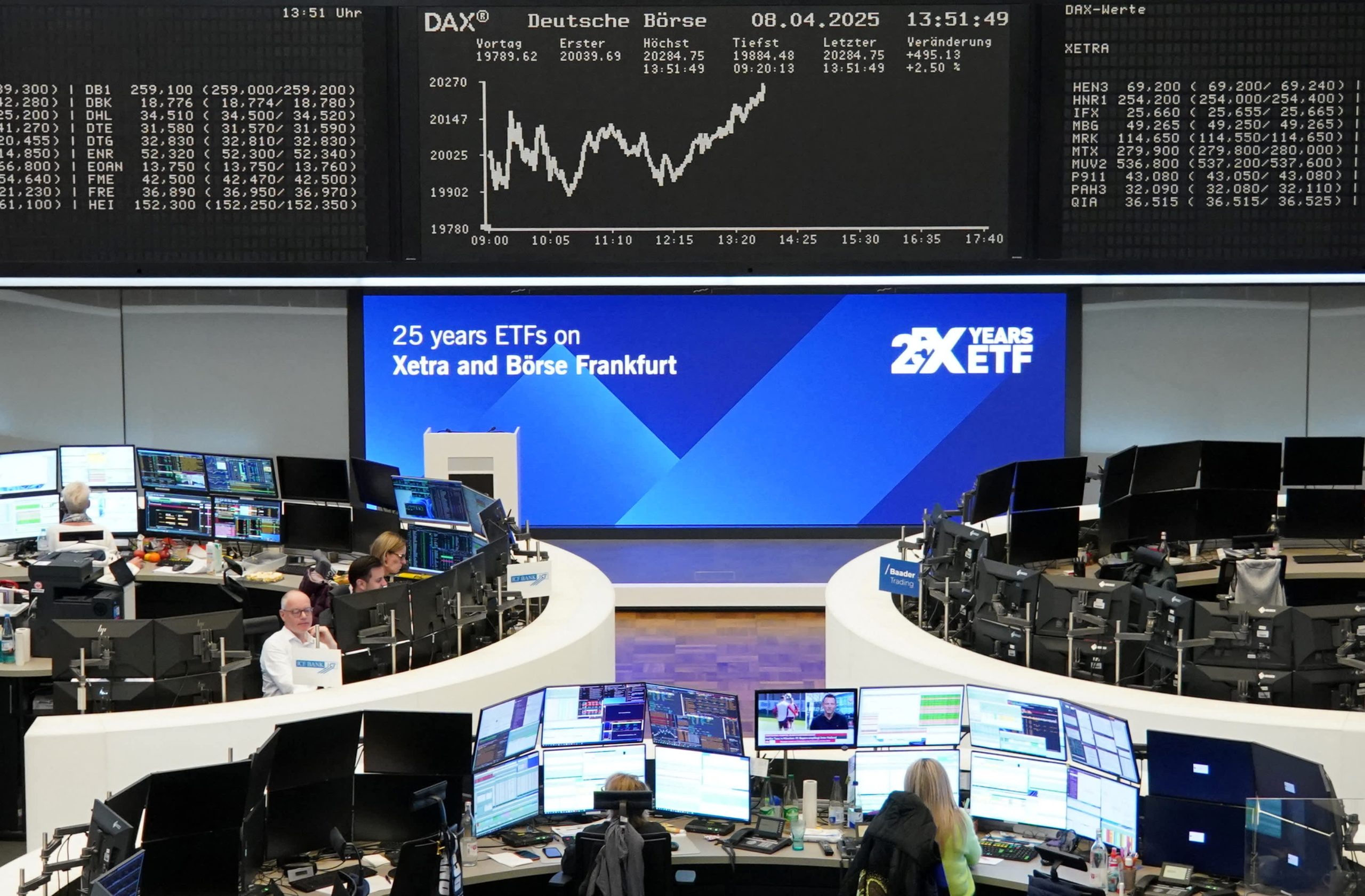
Across regional markets, Germany’s DAX fell around 0.5%.
France’s CAC 40 edged 0.1% higher, showing greater resilience despite the broader risk-off environment.
London markets remained closed for a public holiday.
Bakkafrost Shares Drop After Earnings Miss
Among individual stocks, Bakkafrost shares fell around 6% after the company reported second-quarter results below market expectations.
The decline added to weakness among selected European equities.
Overall, European stocks remain caught between rising geopolitical tensions, higher oil prices and growing expectations for tighter monetary policy.
The next major moves are likely to depend on developments in the Middle East, upcoming U.S. labor data and fresh inflation figures from both the United States and euro zone.