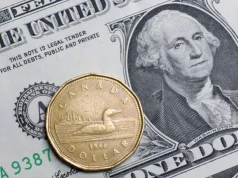
The US dollar remained under pressure on Friday and was heading for a weekly decline as investors questioned whether the Treasury’s expanded bond buyback program would provide more than temporary relief.
The move also revived concerns about Washington’s increasingly interventionist approach to managing borrowing costs and the broader outlook for US fiscal policy.
Treasury Signals Larger Bond Buybacks
US Treasury Secretary Scott Bessent said the government could further increase its purchases of Treasury securities.
His comments came one day after the Treasury announced plans to double buybacks of longer-dated government bonds over the next quarter.
The goal is to reduce pressure from sharply rising yields and improve liquidity across the bond market.
Bessent also said he and White House budget director Russell Vought would begin a new fiscal consolidation initiative under President Donald Trump.
Dollar Weakens as Fiscal Concerns Persist
Despite these measures, the selloff in US Treasuries continued.
Investors remain concerned about the country’s worsening fiscal position, rising government debt and growing uncertainty around policy credibility.
Those concerns have weighed on demand for US assets and placed additional pressure on the dollar.
The US Dollar Index traded near 98.82, close to a three-month low, and was on course for a weekly decline of more than 0.8%.
Euro and Pound Benefit From Dollar Weakness
The weaker dollar supported several major currencies.
The euro traded near a three-month high at around $1.1685, putting EUR/USD on track for a weekly gain of about 1%.
Sterling also strengthened, approaching a six-month high.
GBP/USD rose to around $1.3643, bringing its weekly advance to approximately 0.8%.
Investors Question Treasury Intervention
Carol Kong, currency strategist at Commonwealth Bank of Australia, said the Treasury’s long-dated bond purchases represent another unconventional attempt by the US government to manage borrowing costs.
She noted that the policy comes against a backdrop of elevated government debt, widening fiscal deficits and continued policy uncertainty.
These conditions could encourage some investors to increase dollar hedging and diversify away from US-denominated assets.
Australian and New Zealand Dollars Rise
Other major currencies also benefited from broad dollar weakness.
The Australian dollar advanced to around $0.7123, while the New Zealand dollar climbed toward $0.5957.
The New Zealand currency was also heading for a weekly gain of more than 1%.
Yen Remains Under Pressure
The Japanese yen weakened slightly to around 159.12 per dollar.
The currency continues to face pressure from the wide interest-rate gap between the United States and Japan.
However, fresh inflation data showed that Japan’s core consumer prices accelerated in July, strengthening expectations that the Bank of Japan could raise interest rates again.
Treasury Yields Climb Again
Initial relief from the Treasury’s buyback announcement faded quickly.
The 30-year US Treasury yield rose to around 5.25%, while the benchmark 10-year yield held near 4.70% after climbing in the previous session.
The renewed rise in yields suggested that investors remain unconvinced that Treasury intervention can solve the underlying problem.
Markets See Fiscal Problems as the Main Risk
Goldman Sachs strategist Vitali Meschoulam argued that policymakers clearly have tools that can temporarily influence long-term bond yields.
However, he suggested that the current challenge appears increasingly fiscal rather than technical.
In other words, officials may be able to suppress yields temporarily, but such measures become less effective if investors remain focused on government borrowing, debt sustainability and long-term financing risks.
US Debt Above $40 Trillion Drives Diversification
Concerns have intensified after US government debt surpassed $40 trillion.
That milestone has encouraged some investors to look toward alternative assets, including gold and Bitcoin.
Both have historically attracted demand during periods when investors seek to reduce exposure to the dollar or broader US financial assets.
Bitcoin and Gold Rally
Bitcoin climbed to its highest level in more than two months and traded near $73,823.
The cryptocurrency was on track for a weekly gain of around 17%, which would mark its strongest weekly performance in roughly two and a half years.
Gold also benefited from the shift in investor sentiment.
Spot gold was heading for a weekly increase of more than 3%, supported by concerns over the dollar, US debt and the outlook for Treasury yields.
Overall, the US dollar remains under pressure as investors question the effectiveness of Treasury bond buybacks and focus increasingly on fiscal risks. Continued weakness could depend on whether Treasury yields stabilize, confidence in US assets improves and policymakers make progress on reducing the fiscal deficit.