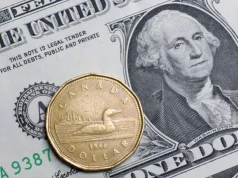
The U.S. dollar weakened on Wednesday after July inflation data came in broadly as expected, reducing the case for a Federal Reserve interest-rate hike at its September meeting.
The greenback had strengthened in recent sessions as investors increased bets on tighter monetary policy. However, the latest inflation report failed to deliver the upside surprise needed to extend that rally.
U.S. Dollar Index Moves Lower
The Dollar Spot Index fell around 0.2% to 99.597, while the euro edged higher to approximately $1.1554.
Meanwhile, the Japanese yen remained weak near two-week lows, trading below 158 per dollar despite recent coordinated currency intervention involving Japanese and U.S. monetary authorities.
Currency markets remain volatile as investors assess mixed economic signals and differing guidance from major central banks.
U.S. Inflation Cools in July
Annual U.S. inflation slowed to 3.4% in July from 3.5% in June, matching economists’ expectations.
On a monthly basis, the Consumer Price Index increased 0.1%, recovering from a 0.4% decline in June.
Core CPI, which excludes volatile food and energy prices, rose 0.2% month over month and 2.5% year over year.
The figures reinforced expectations that inflation remains on a gradual downward path.
Fed September Decision Remains in Focus
Investors are closely monitoring inflation and employment data for clues about the Federal Reserve’s next interest-rate decision.
The CPI report followed unexpectedly weak employment data released the previous week, which showed job losses during July.
Before the latest inflation figures were published, markets were pricing in roughly a 46% probability of a rate hike at the Fed’s September 15-16 meeting, according to CME FedWatch.
However, policymakers will receive another round of inflation and employment data before making their decision.
August Data Could Change the Fed Outlook
Economists expect inflation to accelerate again in August as higher oil prices feed into consumer costs.
Employment growth could also recover as temporary seasonal distortions fade.
These upcoming reports could therefore play an important role in determining whether the Federal Reserve holds rates steady or considers another increase.
Oil Prices Add Pressure to Currency Markets
Rising crude oil prices are creating another source of uncertainty for foreign-exchange markets.
Brent crude moved toward $90 per barrel as conflict involving Iran and shipping routes in the Persian Gulf continued to intensify.
Fresh attacks on commercial vessels near the Strait of Hormuz added to supply concerns.
Iran has also warned that restrictions on traffic through the strategic waterway could remain in place unless Washington meets its conditions for ending the conflict.
Higher Energy Costs Could Revive Inflation Risks
A sustained increase in oil prices could complicate the inflation outlook for major economies.
European and Asian countries that depend heavily on imported energy could be particularly exposed to rising fuel costs.
Higher energy prices could also slow the broader disinflation trend and influence future central-bank decisions.
For currency traders, the combination of softer U.S. inflation and rising geopolitical risks leaves the outlook for the dollar closely tied to upcoming economic data and developments in global energy markets.