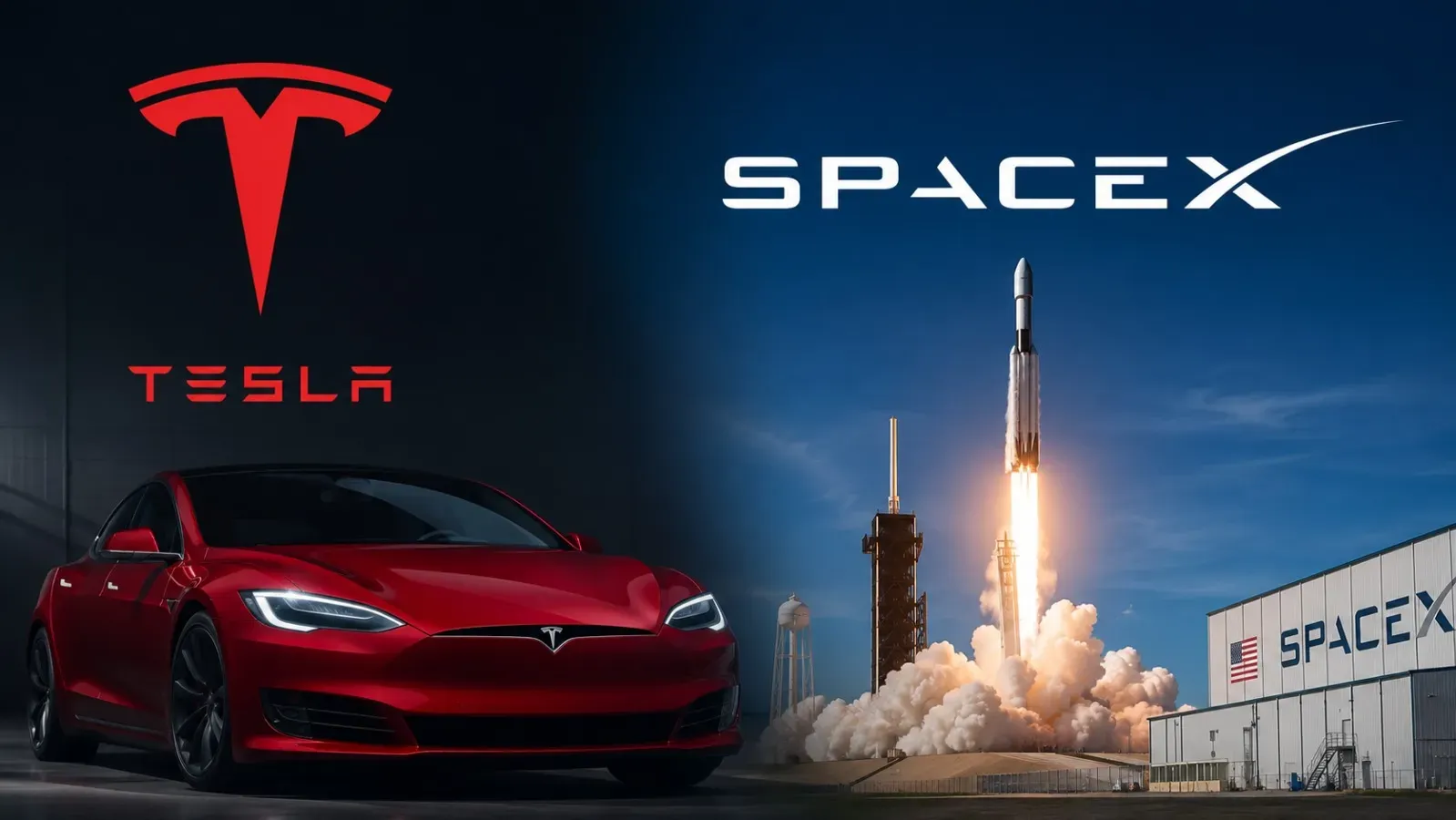
Speculation surrounding a potential Tesla-SpaceX merger is gaining momentum after Elon Musk publicly acknowledged the increasing overlap between the two companies.
Deepwater Asset Management’s Gene Munster raised his estimated probability of a future combination from 80% to 90%. However, no formal merger proposal has been announced, and Musk has not confirmed that negotiations are taking place.
What Elon Musk Said About a Tesla-SpaceX Merger
During Tesla’s second-quarter earnings call on July 22, 2026, Musk declined to rule out a possible combination between Tesla and SpaceX.
He pointed to the growing number of collaborations between the companies. However, he also said that any discussion about formally combining them would need to follow an appropriate corporate process rather than take place during an earnings call.
Tesla’s general counsel, Brandon Ehrhart, offered no confirmation of a deal. Instead, he described SpaceX as an important partner involved in several beneficial transactions with Tesla.
Therefore, Musk’s comments kept the possibility alive without indicating that a merger decision had already been made.
Why Tesla’s Valuation Could Affect a Merger
Some investors have questioned whether Tesla’s falling share price could make a merger easier to structure.
In an all-stock transaction, the relative valuations of Tesla and SpaceX would determine how many shares each group of investors received in the combined company.
A weaker Tesla valuation could theoretically require Tesla to issue more shares to SpaceX investors. Depending on the structure, that could also reshape voting control across the merged business.
Musk currently exercises much greater voting influence at SpaceX than he does at Tesla. As a result, governance would likely become one of the most sensitive issues in any potential combination.
However, this does not prove that Musk wants Tesla stock to fall. It only explains why the relative value of the two companies would matter during merger negotiations.
Tesla Reports Weak Profit and Negative Free Cash Flow
The merger discussion arrived as Tesla released mixed second-quarter financial results.
Tesla generated $28.24 billion in quarterly revenue, representing a 26% increase from the same period one year earlier. Nevertheless, the company’s adjusted earnings of $0.33 per share fell below the market consensus of approximately $0.50.
Operating income dropped 57% year over year to $398 million. Tesla’s operating margin also declined to 1.4%, compared with 4.1% during the same quarter of 2025.
Meanwhile, free cash flow turned negative at approximately $1.09 billion. Tesla attributed the decline largely to a major increase in capital expenditure, which reached about $5.79 billion during the quarter.
These results placed additional pressure on Tesla shares and intensified questions about the company’s spending on artificial intelligence, robotics, Cybercab, Optimus and Tesla Semi.
No Evidence Musk Engineered Tesla’s Decline
Despite the speculation, there is no direct evidence that Musk deliberately pushed Tesla shares lower to make a SpaceX deal more achievable.
Musk remains one of Tesla’s largest shareholders. Therefore, a sustained decline in TSLA would also reduce the value of his own holdings.
Furthermore, Tesla’s weaker profitability can be explained by genuine operational factors. The company sharply increased spending on artificial intelligence, research, manufacturing capacity and future products.
Tesla reported a 47% annual increase in operating expenses during the second quarter. Capital expenditure also climbed 142% year over year as the company invested in Cybercab production, Tesla Semi, Optimus and artificial intelligence infrastructure.
Therefore, Tesla’s recent weakness does not by itself support the claim that Musk is intentionally depressing its market value.
Tesla and SpaceX Are Already Working Together
Although the companies remain separate, their operational relationship has become increasingly close.
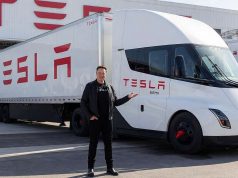
Tesla provides batteries and manufacturing technology for certain SpaceX projects. The two companies are also working together on Terafab, a semiconductor manufacturing facility intended to produce chips for artificial intelligence applications.
Their collaboration also includes shared engineering expertise, energy-storage technology and artificial intelligence infrastructure.
JPMorgan analysts have described the operational integration between Tesla and SpaceX as already deep. Stifel analysts have also said many investors consider a combination inevitable, viewing the main question as when it could occur rather than whether it will happen.
However, analysts’ expectations should not be confused with an official merger plan.
Governance Could Become a Major Challenge
A Tesla-SpaceX merger would create complicated governance questions.
Musk has considerably more voting control at SpaceX than at Tesla. A combination could therefore alter the balance of power between him and Tesla’s existing shareholders.
Tesla minority investors would closely examine the exchange ratio, valuation methods and potential benefits received by Musk and other insiders.
Any transaction involving two Musk-led companies could also face legal challenges. Shareholders would likely demand evidence that Tesla’s board negotiated fair terms and fulfilled its fiduciary responsibilities.
Tesla previously faced years of shareholder litigation over its acquisition of SolarCity, another company closely connected to Musk. Although Musk ultimately prevailed in that case, the dispute demonstrated how controversial related-party transactions can become.
China Could Complicate Regulatory Approval
International regulation could present another major obstacle.
Tesla operates a major manufacturing facility in Shanghai and depends heavily on the Chinese market. SpaceX, by contrast, maintains extensive relationships with the U.S. government, military and national-security agencies.
JPMorgan analysts have warned that these competing interests could create a practical regulatory bottleneck. Chinese authorities may examine whether closer integration with a U.S. space and defense contractor creates national-security concerns for Tesla’s local operations.
A merger could also require reviews from regulators in several other countries where Tesla or SpaceX conducts business.
SpaceX Share Unlock May Add Market Pressure
SpaceX’s own share price has also come under pressure since its June 2026 initial public offering.
The company priced its IPO at $135 per share. However, SPCX recently traded near $113.50, placing it below the offering price and roughly 50% beneath its post-IPO peak.
Additional volatility may emerge after SpaceX reports its first quarterly results as a public company on August 4.
Under the company’s staggered lock-up arrangements, as many as 911.5 million insider shares could become eligible for sale beginning August 6. The release does not mean that all eligible investors will sell, but the possibility of additional supply could weigh on market sentiment.
Because both Tesla and SpaceX shares have declined, the relative valuation needed for a potential merger remains fluid.
Would a Lower Tesla Price Benefit Musk?
The most accurate conclusion is not that Musk necessarily wants Tesla shares to fall.
Instead, he may benefit from a particular relationship between the valuations of Tesla and SpaceX. The exchange ratio in an all-stock deal would depend on how the market values each business at the time of an agreement.
A lower Tesla price alone would not automatically benefit Musk. It could dilute existing Tesla shareholders, damage his personal wealth and make shareholder approval more difficult.
At the same time, a relatively attractive SpaceX valuation could give Musk greater influence over the ownership structure of a combined company.
Therefore, the key issue is not simply whether Tesla stock rises or falls. It is how both companies are valued against one another when any potential deal is negotiated.
Tesla-SpaceX Merger Remains Speculative
The possibility of a Tesla-SpaceX merger is no longer based entirely on outside rumors. Musk has acknowledged the companies’ growing overlap and declined to dismiss a future combination.
Analysts have also highlighted the increasing integration of Tesla’s energy, manufacturing and artificial intelligence capabilities with SpaceX’s space, connectivity and computing operations.
Nevertheless, no formal transaction has been announced. Major challenges involving valuation, shareholder approval, governance, litigation and international regulation remain unresolved.
For now, a merger may be becoming more plausible, but describing it as inevitable goes beyond the available evidence.