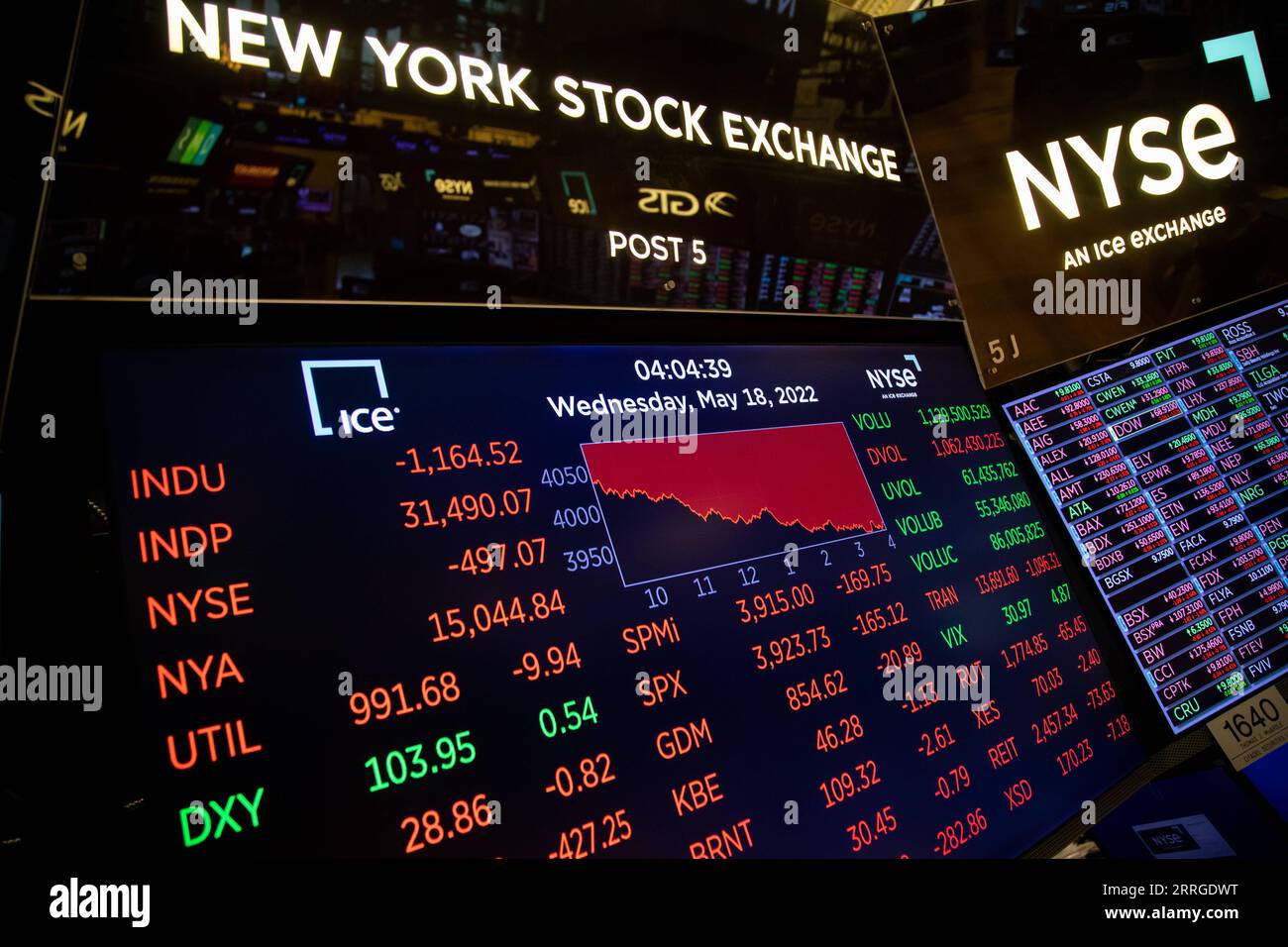
Wall Street traded mixed on Monday after early gains faded under pressure from semiconductor stocks.
The market had opened higher as falling crude oil prices eased inflation concerns. However, sentiment weakened after a report suggested China had made progress toward building a more independent domestic chip supply chain.
Major U.S. Indexes Lose Early Momentum
By 10:32 ET, the S&P 500 had slipped 0.1% to 7,406.82 points.
The Nasdaq Composite also erased its earlier advance and fell 0.4% to 24,885.11 points.
Meanwhile, the Dow Jones Industrial Average remained positive, rising 0.5% to 52,217.60 points.
Semiconductor Stocks Come Under Pressure
Investor confidence weakened after The Information reported that China had begun producing domestically developed deep ultraviolet lithography machines.
These machines are critical for semiconductor manufacturing.
The global market for this equipment has long been dominated by Dutch chip equipment company ASML.
The development raised concerns that China could reduce its dependence on foreign semiconductor technology over time.
Wall Street Extends Recent Weakness
All three major U.S. stock indexes entered Monday’s session following weekly losses.
The Nasdaq suffered the largest decline, falling more than 2% during the previous week.
Market sentiment had already been damaged by several factors.
These included escalating conflict in the Middle East, renewed U.S. trade tensions and concerns about heavy artificial intelligence spending by companies such as Alphabet and Tesla.
Falling Oil Prices Initially Lift Stocks
U.S. equities had opened higher after global crude oil prices dropped around 5%.
The decline followed a pause in military action between the United States and Iran.
Washington suspended its bombing campaign, while Tehran halted retaliatory strikes.
The move reduced concerns about disruption along major Middle East shipping routes.
Lower Energy Costs Ease Inflation Fears
Falling oil prices provided relief for investors concerned about persistent inflation.
Lower energy costs can reduce expenses for companies and households.
They may also lower the risk that central banks will need to keep interest rates elevated for longer.
Russ Mould, investment director at AJ Bell, said the sharp drop in oil prices helped global stock markets begin the week on a stronger note.
He also pointed to diplomatic efforts by Oman to secure an agreement over shipping access through the Strait of Hormuz.
Big Tech Earnings Take Center Stage
Investor attention is now shifting toward earnings from several major technology companies.
Apple, Microsoft, Amazon and Meta Platforms are among the members of the “Magnificent Seven” scheduled to report quarterly results.
These companies enter earnings season under significant pressure.
Investors are questioning whether their high valuations can be justified by future revenue and profit growth.
AI Spending Raises Profitability Concerns
Massive artificial intelligence investment budgets have become a major concern for the technology sector.
Markets are increasingly focused on whether companies can generate enough near-term revenue to offset the high cost of building AI infrastructure.
Alphabet recently raised its infrastructure spending plans, while Tesla reported stronger cash outflows.
These developments increased fears that the AI investment cycle may pressure margins and free cash flow across the technology industry.
Investors Demand Strong Earnings Results
Large technology companies may need to deliver stronger-than-expected revenue growth to support current stock valuations.
Even solid earnings results may not be enough if capital spending rises sharply or management provides a cautious outlook.
As a result, investors are likely to focus closely on cash flow, AI revenue and future spending guidance.
Federal Reserve Decision in Focus
The Federal Open Market Committee will begin its two-day policy meeting, which concludes on Wednesday.
The central bank is widely expected to leave benchmark interest rates unchanged.
However, investors will closely examine Federal Reserve Chair Kevin Warsh’s press conference for clues about the future direction of monetary policy.
Inflation Risks Remain Central
Market participants will focus on the Federal Reserve’s assessment of inflation.
Elias Haddad of Brown Brothers Harriman said investors would pay close attention to the voting split and comments about whether inflation risks remain persistent.
Nicholas Kennedy of Lloyds Bank suggested that an unchanged rate decision accompanied by some hawkish disagreement could reflect the current economic environment.
GDP and PCE Data Could Move Markets
Several important U.S. economic reports are also due this week.
Investors are awaiting preliminary second-quarter gross domestic product figures.
The June Personal Consumption Expenditures price index will also be closely watched.
The PCE index is the Federal Reserve’s preferred inflation measure.
These reports could help determine whether the U.S. economy can maintain growth despite elevated borrowing costs.
Market Outlook Remains Mixed
Wall Street is currently being pulled in opposite directions.
Lower oil prices are easing inflation concerns and supporting broader market sentiment.
However, semiconductor weakness, China’s technological progress and concerns about AI spending are weighing on technology stocks.
The next major market move will likely depend on Federal Reserve guidance, economic data and earnings from the largest U.S. technology companies.