Asian Currencies Weaken as Trump Tariffs Fuel Inflation Fears
Most Asian currencies moved lower against the U.S. dollar on Friday after new U.S. tariffs on imports from 60 trading partners came into effect.
The latest trade measures, combined with higher oil prices, raised concerns that inflation could remain elevated. Treasury yields climbed, while demand for the dollar strengthened.
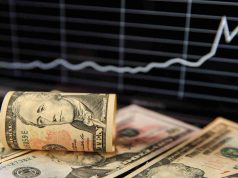
U.S. Dollar Holds Near Three-Week High
The U.S. Dollar Index remained close to a three-week high against a basket of major currencies.
Benchmark Treasury yields reached fresh multi-month highs as investors assessed the potential inflationary impact of higher import costs and energy prices.
Markets are increasingly concerned that persistent inflation could make the Federal Reserve more cautious about cutting interest rates at its upcoming policy meeting.
The euro also weakened after the European Central Bank left interest rates unchanged. ECB officials maintained their cautious, meeting-by-meeting approach to monetary policy.
New Tariffs Replace Temporary Import Duties
Washington introduced new tariffs of 10% and 12.5% on imports from 60 trading partners.
The measures replaced temporary 10% duties that expired overnight and now apply to most U.S. imports.
However, several categories remain exempt, including oil, natural gas and certain food products.
The tariffs could increase the cost of imported goods and add further pressure to consumer prices.
Oil Above $100 Adds to Inflation Concerns
Brent crude remained above $100 per barrel as geopolitical tensions increased fears of supply disruptions.
Iran-backed Houthi forces attacked Saudi oil tankers in the Red Sea, while renewed U.S. military action against Iran added to concerns about a prolonged regional conflict.
The developments raised the risk of another global energy shock, which could keep inflation elevated across major economies.
Treasury Yields Support the Dollar
The yield on the 10-year U.S. Treasury climbed above 4.7%, while the 30-year yield remained above 5%.
Higher bond yields increased demand for the U.S. dollar and placed further pressure on Asian currencies.
OCBC analysts said foreign exchange markets had remained relatively calm despite rising oil prices and geopolitical uncertainty.
However, the bank warned that a prolonged energy shock could quickly increase volatility and trigger a broader dollar rally.
U.S. Energy Position Could Benefit the Dollar
OCBC noted that the United States could benefit from being a net energy exporter.
Higher oil prices may support the U.S. economy relative to countries that depend heavily on imported energy.
At the same time, stronger energy prices could reinforce inflation concerns and keep the Federal Reserve focused on the risk of further price increases.
South Korean Won Comes Under Pressure
The South Korean won weakened further against the U.S. dollar.
The currency had reached its strongest level in around two and a half months earlier in the week before losing momentum.
Higher U.S. yields and renewed demand for the dollar weighed on the won and other regional currencies.
Japanese Yen Remains Near Historic Low
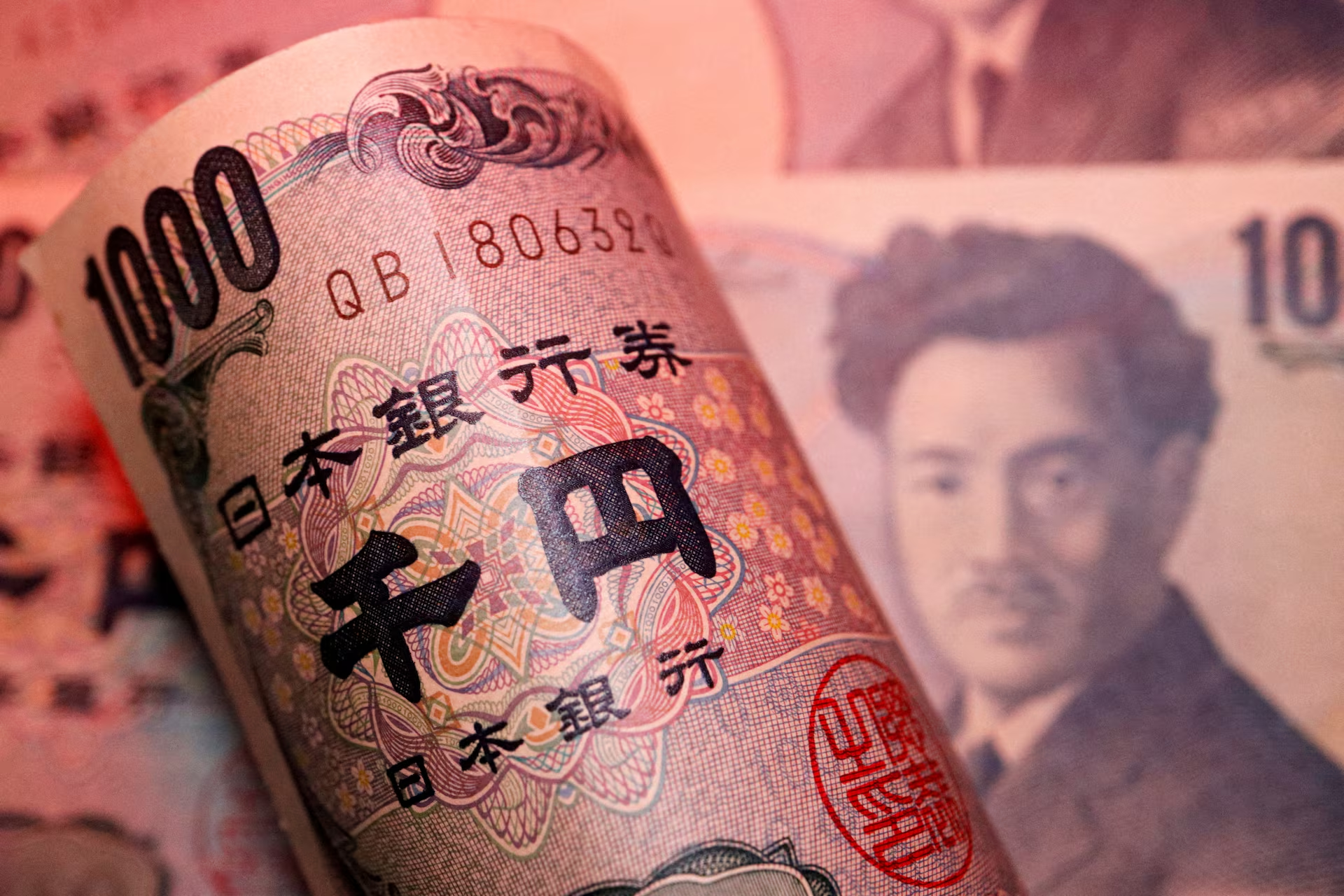
The Japanese yen traded near a four-decade low of around 163.8 per dollar.
The currency remained weak despite reports that the Bank of Japan could increase interest rates faster than previously expected.
The U.S. Treasury also expressed concern about excessive volatility in the yen and encouraged Japan to continue normalizing monetary policy.
OCBC said currency intervention alone was unlikely to change the yen’s role as a popular funding currency.
The bank added that a lasting yen recovery would probably require the Bank of Japan to raise interest rates more quickly.
Australian and New Zealand Dollars Stabilize
The Australian dollar and New Zealand dollar steadied after recording sharp losses during the previous session.
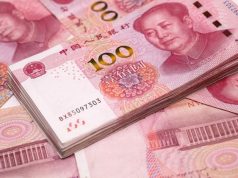
China’s yuan was little changed as investors waited for new economic policy signals from the upcoming Politburo meeting.
Markets expect Chinese officials to announce additional measures aimed at supporting employment and household spending.
China Policy Meeting Draws Investor Attention
Investors are looking for further information about China’s long-term consumption strategy under its 15th Five-Year Plan.
The meeting follows weaker second-quarter economic figures, which increased pressure on Beijing to introduce additional stimulus.
China’s July manufacturing purchasing managers’ index will also be closely watched for signs that factory activity is stabilizing.
Regional Economic Data in Focus
Taiwan is expected to report another quarter of strong export-driven economic growth.
South Korea’s July trade figures will provide an early indication of regional export demand after stronger-than-expected performance in June.
These reports could offer further clues about the outlook for Asian manufacturing and global trade.
Central Bank Decisions Could Drive Currency Markets
The Monetary Authority of Singapore will begin a busy week for Asian central banks.
Citi continues to expect a 50-basis-point steepening of Singapore’s exchange-rate policy band, a view that differs from the broader market consensus.
Attention will later shift to the Federal Reserve and the Bank of Japan.
Investors will assess whether higher oil prices, new U.S. tariffs and persistent inflation risks could delay interest rate cuts around the world.