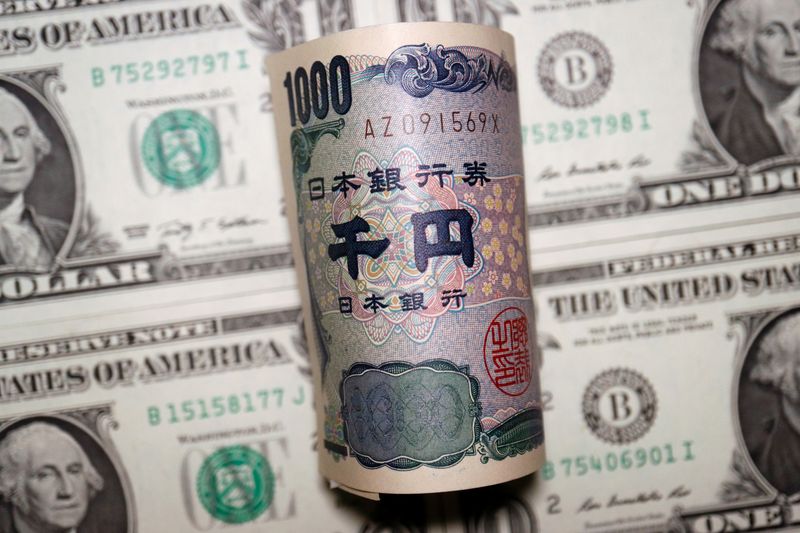
Yen Holds Near Its Weakest Level Since 1986
The Japanese yen stabilized below 163 against the US dollar on Wednesday. Earlier in the session, it briefly fell to its weakest level since 1986.
Meanwhile, high oil prices and continued tensions in the Middle East supported the US dollar. These factors also kept many Asian currencies under pressure.
Most regional currencies moved within narrow ranges. Investors remained focused on the conflict in the Middle East and its potential impact on global energy supplies.
Middle East Tensions Support the US Dollar
Concerns increased after US forces continued their military strikes against Iran. In addition, Yemen’s Iran-backed Houthis threatened to disrupt important regional shipping routes.
Any disruption to shipping could reduce energy supplies and push oil prices higher. As a result, investors remain concerned about renewed inflation and weaker economic growth.
The US Dollar Index slipped by 0.2% to 101.04 after moving above 101 overnight. Although the dollar surrendered some recent gains, geopolitical uncertainty continued to provide support.
The euro and British pound also gained around 0.2% against the dollar. UK inflation figures broadly matched market expectations, reinforcing forecasts that the Bank of England will continue cutting interest rates gradually.
USD/JPY Climbs Above 163
The USD/JPY exchange rate traded near 162.87 after briefly reaching 163.23 overnight.
This left the Japanese yen close to its lowest level in around four decades.
The yen remained weak even as investors reviewed Prime Minister Sanae Takaichi’s new economic policy framework, known as the “Honebuto no Hoshin.”
The plan aims to generate more than 370 trillion yen, or approximately $2.3 trillion, in public and private investment by fiscal 2040. The government hopes the programme will raise Japan’s long-term economic growth rate above 1%.
Japan Reaffirms Bank of Japan Independence
Japan’s economic plan also reaffirmed the independence of the Bank of Japan.
This helped ease concerns that the government’s expansionary fiscal policies could pressure the central bank to delay future interest-rate increases.
Wei Liang Chang, an FX and credit strategist at DBS, said the announcement should reduce speculation that the Bank of Japan may hesitate to tighten monetary policy.
He added that stable Japanese government bond yields suggest investors have already priced in much of the government’s fiscal policy shift.
A more independent and potentially hawkish Bank of Japan could eventually provide support for the yen. However, high oil prices and strong demand for the dollar continue to limit any recovery.
Oil Prices Pressure Asian Currencies
Middle East developments remained the main influence on wider market sentiment.
US forces carried out an 11th consecutive night of strikes against Iran. At the same time, the Houthis threatened a naval blockade targeting Saudi Arabia.
These developments increased concerns about the security of global oil supplies.
Higher crude oil prices are particularly damaging for Asian economies that depend heavily on imported energy. Rising oil costs can weaken trade balances, increase imported inflation and reduce investor confidence.
Therefore, oil-sensitive Asian currencies remained under pressure during Wednesday’s trading session.
Indian Rupee and Southeast Asian Currencies Weaken
Several regional currencies declined against the US dollar.
The USD/IDR exchange rate rose by approximately 0.2%, indicating weakness in the Indonesian rupiah. USD/THB increased by 0.3%, while USD/INR gained around 0.4%.
The Malaysian ringgit erased its earlier gains and traded largely unchanged.
These currencies may remain vulnerable if oil prices continue to rise. India, Indonesia and Thailand all rely significantly on imported energy, making them sensitive to changes in crude prices.
South Korean Won Outperforms Regional Peers
The South Korean won performed better than several other Asian currencies.
USD/KRW declined by approximately 0.2% to 1,478.84, meaning the won strengthened against the US dollar. Over the past six months, the South Korean currency has gained around 1.8%.
Investors are assessing South Korea’s plans to increase the international use of the won.
The proposed reforms include creating an offshore won market and expanding round-the-clock trading and settlement services. South Korea also plans to ease foreign-exchange regulations and increase the number of financial assets denominated in won.
South Korea Plans Major Currency Reforms
DBS said the currency reforms support South Korea’s wider ambition to become a more important global financial centre.
Seoul is also seeking developed-market status from MSCI and inclusion in major international bond indices.
Several economic factors could support the won during the second half of 2026. These include a smaller interest-rate gap between the United States and South Korea.
A growing South Korean trade surplus could also provide support. Strong semiconductor exports and improving international capital flows may further strengthen the currency.
According to DBS, these conditions could lead to a moderate recovery in the won over the coming months.
Central Bank Meetings Move Into Focus
Investors are now waiting for Bank Indonesia’s latest interest-rate decision.
Attention will then shift to the European Central Bank meeting on Thursday. The Bank of Japan and the US Federal Reserve are also scheduled to announce monetary policy decisions next week.
Markets will closely examine whether rising energy prices could complicate the global inflation outlook.
Persistently high oil prices may force central banks to remain cautious about cutting interest rates. At the same time, geopolitical uncertainty is likely to continue supporting the dollar and placing pressure on oil-importing Asian economies.