U.S. Producer Inflation Falls for the First Time Since August 2025
U.S. producer inflation declined in June for the first time in nearly a year, mainly because of a sharp drop in energy prices.
The report followed similarly softer consumer inflation data released one day earlier. Together, the figures suggest that price pressures eased during June and may give the Federal Reserve more time before considering another interest-rate increase.
However, the inflation outlook remains uncertain because renewed tensions between the United States and Iran have pushed oil prices higher again.
Lower Oil Prices Helped Reduce Inflation in June
Energy costs fell during June after the United States and Iran reached an interim agreement that improved shipping activity through the Strait of Hormuz.
The easing of supply concerns caused global oil prices to decline, helping reduce inflation at both the producer and consumer levels.
However, that situation changed quickly in July after the ceasefire collapsed and tensions surrounding the Strait of Hormuz intensified.
Headline PPI Declines by 0.3%
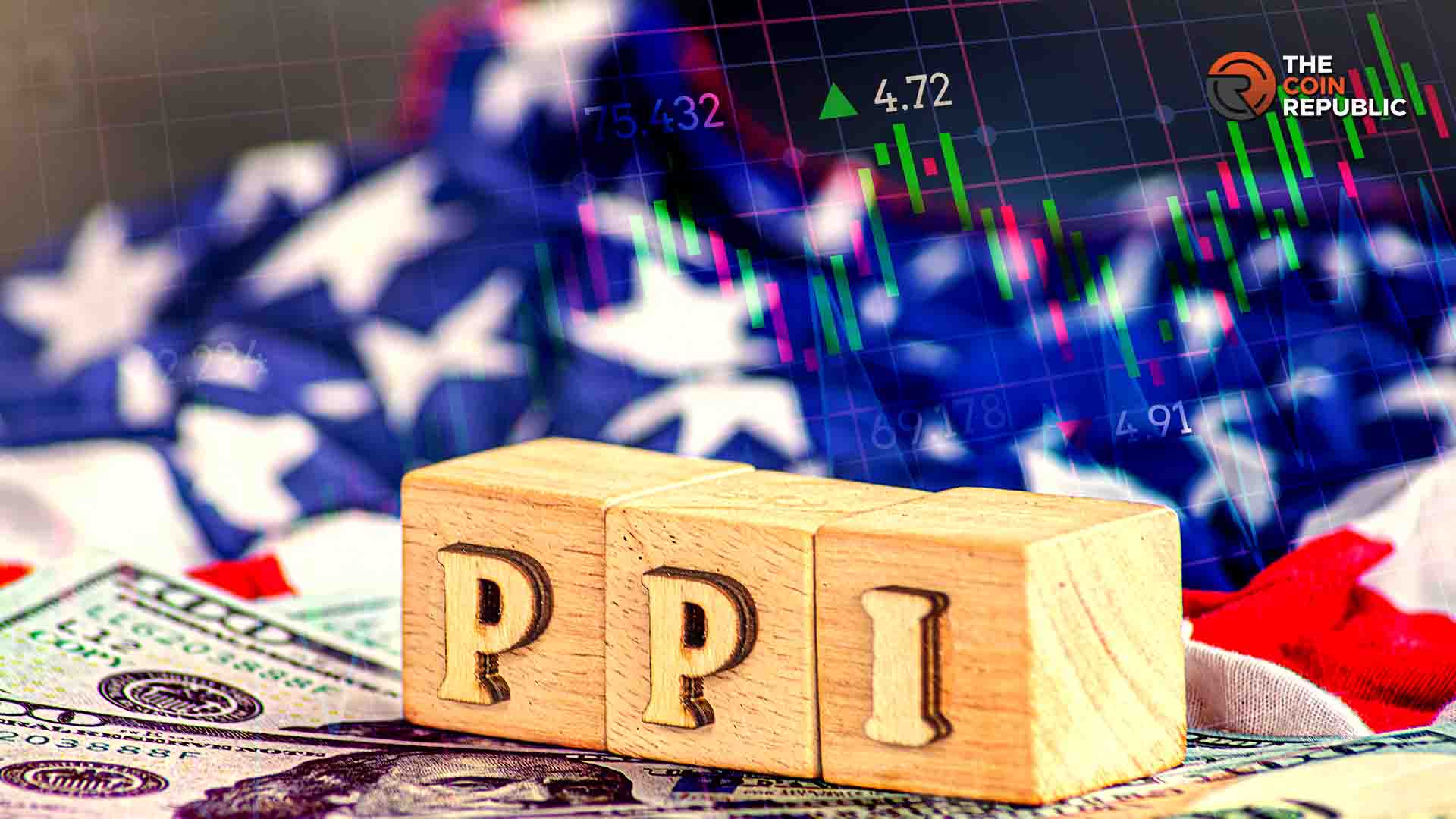
The U.S. Producer Price Index fell by 0.3% in June compared with the previous month, according to the Bureau of Labor Statistics.
It was the first monthly decline in headline producer inflation since August 2025.
Economists had expected the index to remain unchanged.
Core PPI, which excludes volatile food and energy prices, increased by 0.2%. That was below the forecast for a 0.3% rise.
In May, headline PPI had increased by 0.6%, while core producer prices rose by 0.1%.
Annual Producer Inflation Also Misses Forecasts
On an annual basis, headline producer inflation increased by 5.5%.
That figure was lower than the market forecast of 6.2% and below May’s 6% increase.
Core PPI rose by 4.7% from the previous year, compared with expectations for a 5.2% increase.
The annual core reading was slightly above May’s 4.6% gain.
Energy Prices Record Their Largest Drop Since 2022
The decline in headline producer inflation was mainly driven by lower prices for final-demand goods.
The index for final-demand goods recorded its largest monthly decrease since July 2022.
Energy prices fell by 6.4% during the month. This was their steepest monthly decline since December 2022.
The sharp drop in energy costs played a major role in reducing overall producer inflation.
Iran Agreement Previously Weighed on Oil Prices
The United States and Iran signed an interim memorandum of understanding in mid-June.
The agreement helped reopen the Strait of Hormuz, a crucial waterway that carries roughly one-fifth of the world’s oil and gas supplies.
Improved maritime activity reduced fears of supply shortages and pushed Brent crude futures lower.
The global oil benchmark fell by more than 20% during June.
Oil Prices Rebound as U.S.-Iran Tensions Escalate
Inflation conditions changed rapidly in July as relations between Washington and Tehran deteriorated.
The two sides exchanged several rounds of military strikes following reported Iranian attacks on commercial oil tankers in the Strait of Hormuz.
President Donald Trump also reintroduced a U.S. naval blockade targeting Iranian ports and coastal areas.
As a result, Brent crude prices surged by more than 9% during the week.
The rebound in energy prices has raised concerns that inflation could increase again in July.
Fed’s Preferred Inflation Components Remain Firm
Although investors closely watch the CPI and PPI reports, the Federal Reserve places greater emphasis on the Personal Consumption Expenditures Price Index.
The central bank particularly focuses on core PCE inflation when assessing progress toward its long-term 2% inflation target.
Several components from the CPI and PPI reports contribute to the PCE calculation.
Kevin Gordon, head of macro research and strategy at the Schwab Center for Financial Research, said only one PPI category linked to the PCE declined during June: hospital outpatient care.
This suggests that services inflation may remain more persistent than the headline figures indicate.
Core PCE Inflation Remains Above Target
Core PCE inflation has remained above the Federal Reserve’s 2% target for more than five years.
The last time the measure fell below that level was in February 2021.
The latest CPI and PPI figures may support a softer June core PCE reading and reduce pressure on the Fed to raise rates immediately.
However, the renewed rise in oil prices could reverse some of that progress during July.
Energy Prices Could Determine the Next Inflation Trend
David Russell, global head of market strategy at TradeStation, said disinflation continued in June but was driven more by goods than services.
He warned that inflationary pressure could return if food and energy prices begin rising again.
According to Russell, the Federal Reserve faces little immediate pressure to tighten policy. However, oil prices could play a decisive role in the longer-term inflation outlook.
Energy costs helped bring inflation lower in June, but that improvement could quickly fade if shipping disruptions continue in the Strait of Hormuz.
Federal Reserve Keeps Inflation in Focus
Federal Reserve Chair Kevin Warsh has emphasized the importance of restoring price stability.
During his first congressional testimony, Warsh repeated that the Federal Open Market Committee remains committed to controlling inflation.
He has also launched a broad review of the central bank’s monetary policy operations.
The review includes five task forces, one of which will examine the Federal Reserve’s inflation framework.
The latest producer inflation report may allow policymakers to remain patient for now. Nevertheless, rising oil prices and geopolitical instability could complicate future interest-rate decisions.