Warsh Promises Advance Notice of Fed Balance Sheet Changes
Federal Reserve Chair Kevin Warsh said financial markets would receive clear and early notice before the central bank makes any changes to its balance sheet policy.
Warsh explained that potential adjustments would be presented publicly, discussed in detail and carefully debated before being implemented.
Fed Balance Sheet Policy Will Remain Transparent
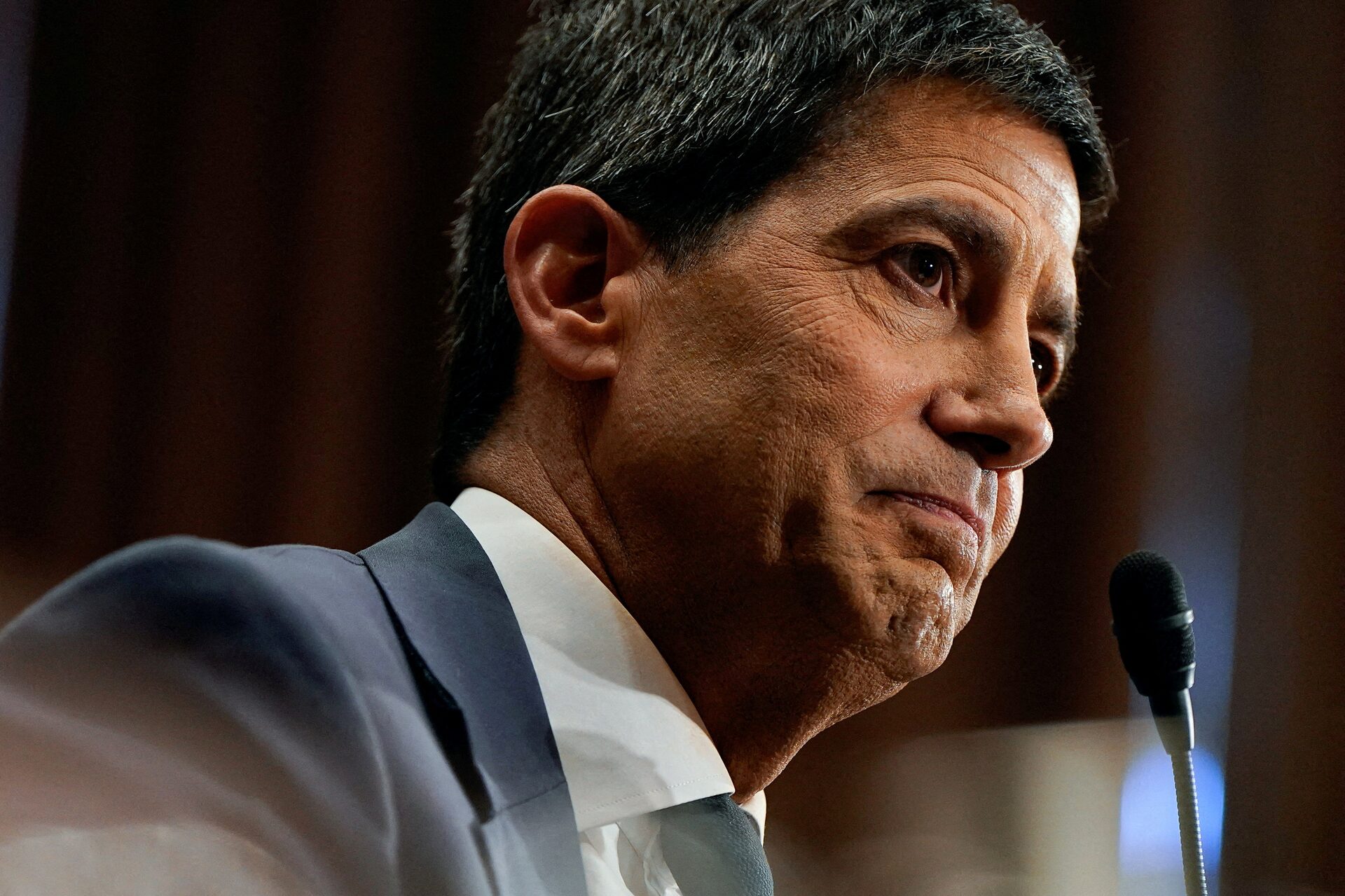
During a hearing before the U.S. House Financial Services Committee, Warsh said his views on the Federal Reserve’s large balance sheet were already widely known.
However, he stressed that he did not want to predict the conclusions of a newly established Fed task force reviewing balance sheet policy.
The task force is expected to examine the size, structure and future role of the central bank’s holdings.
Markets Would Have Time to Prepare
Warsh reassured lawmakers that the Federal Reserve would not introduce sudden balance sheet changes without warning.
Any proposed shift would first be outlined and explained to Congress, investors and the wider financial community.
This approach would give markets enough time to understand the policy change and prepare for its possible impact.
Balance Sheet Is Part of Monetary Policy
Warsh described the Federal Reserve’s balance sheet as an important monetary policy tool.
The central bank can influence financial conditions by increasing or reducing the assets it holds, including U.S. Treasury securities and mortgage-backed securities.
Changes to the balance sheet can affect liquidity, borrowing costs, bond yields and investor expectations.
Warsh Wants the Fed to Avoid Fiscal Policy
Warsh also said the Federal Reserve should maintain a clear separation between monetary and fiscal policy.
Monetary policy focuses on interest rates, inflation, employment and financial conditions. Fiscal policy involves government spending, taxation and public borrowing decisions.
Warsh indicated that the central bank should avoid using its balance sheet in ways that could be viewed as supporting government fiscal objectives.
Fed Decisions Will Be Previewed and Debated
Warsh emphasized that any future balance sheet policy change would go through a transparent process.
The Federal Reserve would preview the proposal, explain its reasoning and allow time for discussion before taking action.
He said lawmakers and financial markets would receive sufficient advance notice, reducing the risk of unexpected disruption.
Investors Watch for Future Fed Policy Signals
The comments may reassure investors concerned about the impact of possible changes to the Federal Reserve’s asset holdings.
A reduction in the balance sheet could tighten financial conditions, while renewed asset purchases could increase liquidity.
For now, Warsh has indicated that no major shift will occur without extensive communication and preparation.