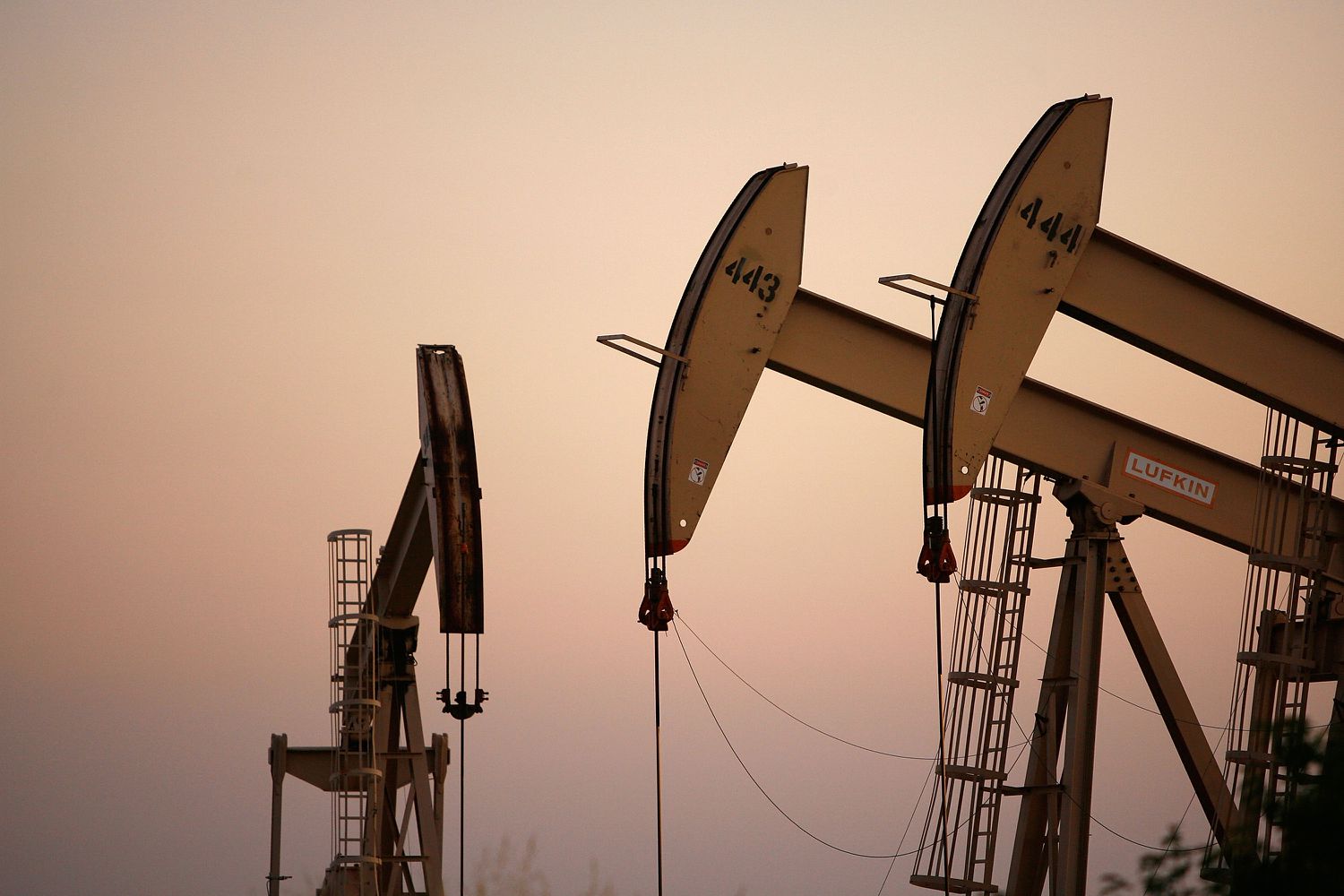
Oil Prices Edge Higher
Oil prices moved slightly higher on Friday and remained on track for strong weekly gains.
Traders continued to weigh renewed U.S.-Iran tensions against expectations that the conflict will stay contained and avoid a major disruption to crude supplies from the Persian Gulf.
Brent and WTI Extend Weekly Gains
At 01:49 ET, WTI crude futures rose 0.28% to $72.28 a barrel.
Brent crude futures gained 0.29% to $76.52 a barrel.
Despite pulling back from midweek highs, oil has kept most of its weekly gains. Brent was on track to rise about 6%, while WTI was set for a gain of around 5%.
Strait of Hormuz Risks Remain in Focus
Renewed attacks near the Strait of Hormuz briefly raised fears of supply disruptions.
The waterway is one of the world’s most important oil chokepoints, making any disruption a major concern for energy markets.
However, prices have eased from their highs as traders increasingly expect the latest military exchanges to remain limited.
U.S. Launches Fresh Strikes on Iran
The United States carried out another round of airstrikes on military targets in Iran on Thursday.
Washington said the strikes were aimed at weakening Tehran’s ability to threaten commercial shipping through the Strait of Hormuz.
Iran responded with missile and drone attacks targeting U.S.-aligned countries, including Bahrain, Kuwait, Qatar, and Jordan.
Shipping Activity Still Below Normal
The latest escalation followed attacks on several commercial vessels near the Strait earlier this week.
Those incidents led some shipping operators to delay or reconsider routes through the region.
Although tanker traffic has recovered since the June agreement reopened the waterway, shipping activity remains below pre-conflict levels. Insurers and shipowners are still assessing security risks.
Trump Warns Iran Over Shipping Attacks
President Donald Trump said the latest attacks on commercial shipping had effectively ended the fragile ceasefire.
He also warned that the United States would respond more forcefully if Iran targeted vessels again.
At the same time, diplomatic efforts continued in the region. Iranian Foreign Minister Abbas Araghchi held talks with officials from Saudi Arabia, Oman, and Turkey as regional powers tried to prevent a wider conflict.
Market Expects Conflict to Stay Contained
Analysts at IG said oil’s muted reaction suggests traders believe the conflict will remain contained.
The brokerage noted that U.S. strikes have so far targeted Iranian military infrastructure, not oil production or export facilities.
Crude flows from the Gulf have also remained broadly steady, reducing fears of an immediate supply shock.
Oil Traders Watch Supply Risks
IG said oil prices could face stronger upside pressure if Washington tightens restrictions on Iranian crude exports.
Prices could also rise further if the conflict begins to directly threaten energy infrastructure or shipping through the Strait of Hormuz.
For now, steady Gulf exports and regional efforts to protect commercial shipping have helped limit further gains.
Weekend Developments in Focus
Markets are now watching whether military exchanges intensify over the weekend.
Traders will also monitor tanker movements through the Strait of Hormuz and any signs that Gulf crude exports begin to slow after this week’s escalation.