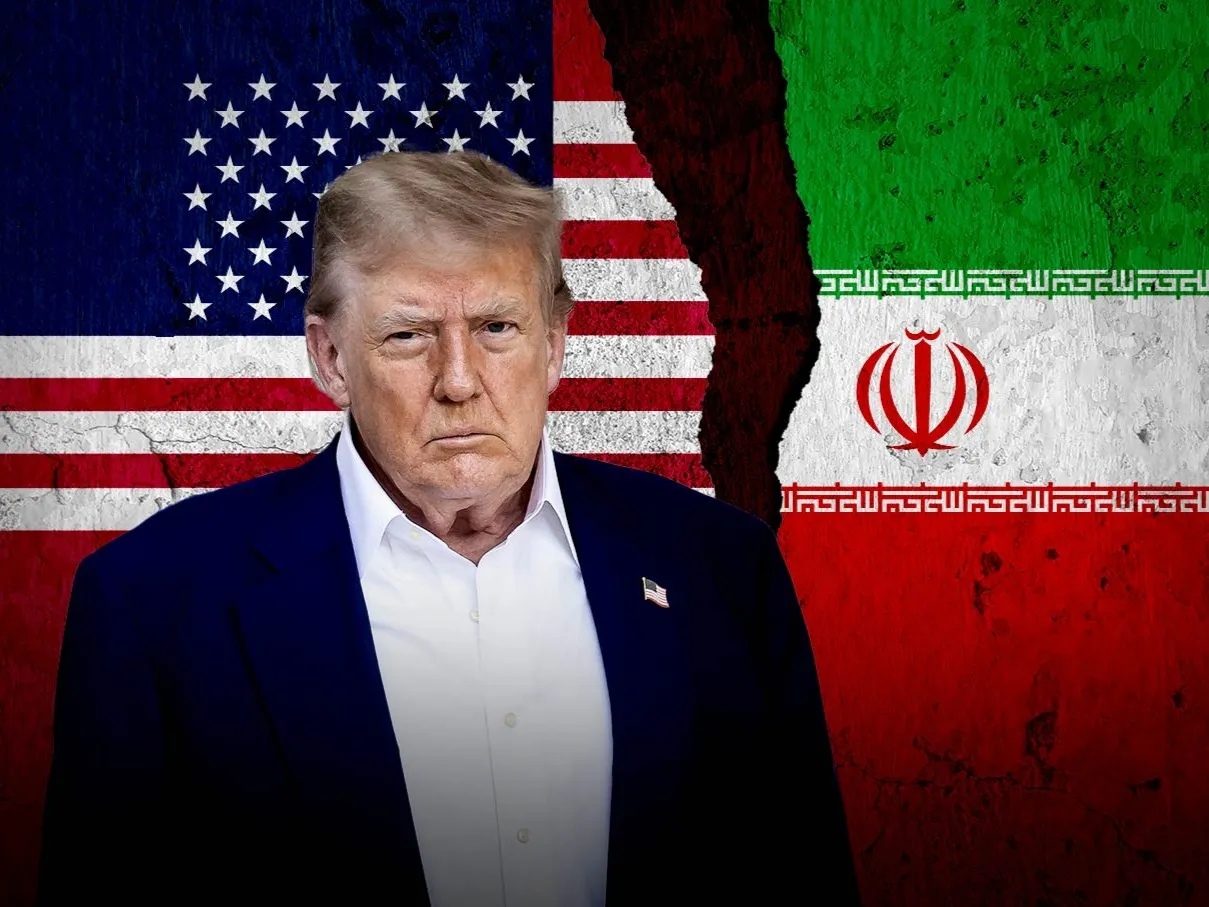
U.S. President Donald Trump warned that the United States could launch more strikes against Iran on Wednesday night.
His comments came as he expressed doubts about the future of a fragile interim peace deal signed last month.
Trump Signals Possible New Attacks
Speaking to reporters at a NATO summit in Turkey, Trump said the U.S. was prepared to hit Iran hard.
He also suggested that American forces could target more Iranian boats. According to Trump, 28 vessels were struck on Tuesday night.
U.S. May Restore Iran Port Blockade
Trump also said the U.S. could reinstate a blockade of Iranian ports.
Washington had previously used a blockade after Iran effectively shut down tanker traffic through the Strait of Hormuz.
In June, U.S. Central Command said all blockade enforcement had ended as part of the agreement with Iran.
Trump Says Iran Truce May Be Over
Earlier in the day, Trump said he believed the framework peace deal with Iran was “over.”
He accused Tehran of acting in bad faith after a fresh exchange of attacks overnight.
Trump said both sides had reached an agreement, including terms linked to nuclear weapons. However, he claimed Iran later denied key parts of the talks publicly.
Door to Talks Still Open
Despite his sharp comments, Trump also suggested that negotiations could continue.
He said talks may still be possible if both sides are willing to engage.
However, Reuters reported that Trump did not repeat his claim about ending the interim ceasefire during a closed NATO leaders’ meeting, citing a source familiar with the matter.
Iran Claims Attacks on U.S. Military Sites
The comments followed claims from Iranian armed forces that they had attacked U.S. military sites in Kuwait and Bahrain.
Tehran said the strikes were retaliation for American attacks on targets inside Iran.
Iran also blamed Washington’s decision to revoke a sanctions waiver covering Iranian oil.
IRGC Says It Hit U.S. Targets
In a statement cited by Iran’s state news agency, the Islamic Revolutionary Guards Corps said it had struck 85 U.S. military sites.
The group also claimed it had shot down an American MQ-9 drone.
These claims added to fears that the conflict could escalate further across the Gulf region.
Iran Condemns U.S. Strikes
The Khatam al-Anbiya Central Headquarters, part of Iran’s military structure, called the U.S. strikes in southern Iran a clear act of aggression.
It also said Iran would not allow outside interference in the control or management of the Strait of Hormuz.
The strait remains one of the world’s most important routes for oil shipping.
Pentagon Defends U.S. Action
The Pentagon previously said its strikes were a response to recent Iranian attacks on commercial vessels moving through the Strait of Hormuz.
The waterway runs close to Iran’s southern coast and is critical for global oil trade.
U.S. Central Command also said it had struck more than 80 targets in Iran and more than 60 IRGC small boats in and around the strait.
U.S. Revokes Iranian Oil License
The U.S. Treasury Department’s Office of Foreign Assets Control also revoked a general license linked to Iranian oil.
The license had allowed the production, delivery, and sale of crude oil, petrochemical products, and petroleum products of Iranian origin.
The move could increase pressure on Iranian exports and tighten energy markets.
Ship Attacks Add to Tensions
Tehran has not claimed responsibility for Tuesday’s attacks on ships off the coast of Oman.
Those vessels reportedly included a Saudi oil tanker and a Qatari ship carrying liquefied natural gas.
The attacks added another layer of uncertainty to energy flows in the region.
Iran Accuses Washington of Violating Deal
Mohammad Bagher Ghalibaf, Iran’s Parliament Speaker and top negotiator, accused Washington of violating a 14-point memorandum of understanding signed in June.
Writing on X, Ghalibaf said U.S. actions violated Iranian arrangements in the Strait of Hormuz.
The strait had been reopened under the terms of the preliminary agreement.
Peace Talks Face Fresh Risk
The latest exchange of strikes threatens to derail talks aimed at reaching a permanent agreement.
It also puts pressure on the recent recovery in oil flows through the Strait of Hormuz.
Reports suggest that discussions are currently paused for funeral ceremonies honoring former Iranian Supreme Leader Ayatollah Ali Khamenei, who was killed during a joint U.S.-Israeli assault on Iran in late February.
Oil Prices Rise on Conflict Fears
Oil prices moved higher as tensions escalated.
Crude regained some of the losses seen after the framework peace deal was signed on June 17.
The earlier surge in oil prices after the war began had already raised fears of a new inflation wave across the global economy.