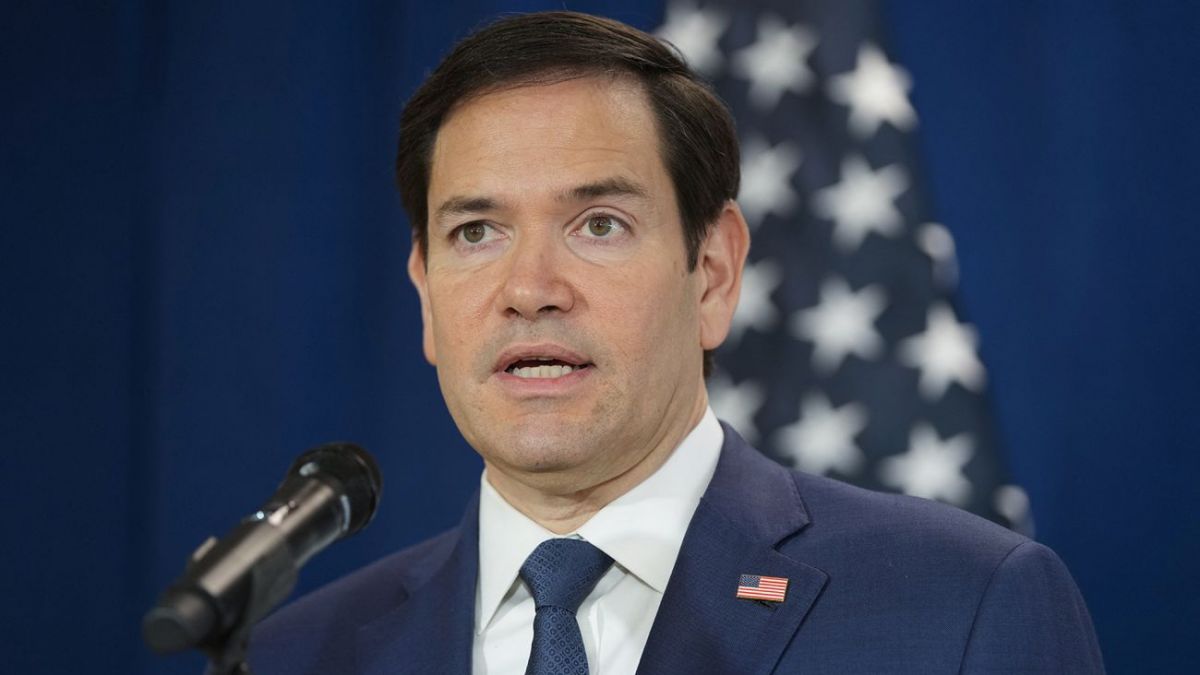
US Secretary of State Marco Rubio said Iran would not be allowed to impose tolls or fees on ships travelling through the Strait of Hormuz under any future agreement with the United States.
Rubio argued that charging vessels for access to the strategic waterway would violate established international law.
Rubio Rejects Strait of Hormuz Tolls
According to Rubio, no country has the legal authority to charge tolls on an international waterway.
He said existing international rules protect freedom of navigation through important maritime routes such as the Strait of Hormuz.
The waterway plays a critical role in global trade and energy markets because a significant share of the world’s oil shipments passes through it.
Any attempt to impose fees or restrict commercial traffic could therefore increase geopolitical tensions and disrupt global energy supplies.
Iran Tolls Excluded From Future US Agreement
Rubio made clear that the United States would not accept an Iranian toll system as part of any future bilateral agreement.
His comments suggest that freedom of navigation will remain a central issue in future discussions between Washington and Tehran.
The United States has repeatedly stressed the importance of keeping the Strait of Hormuz open and accessible to international shipping.
US Plans Talks With Lebanon
Rubio also addressed wider security concerns across the Middle East.
He said the United States plans to engage directly with the Lebanese government as it considers the next steps for regional stability.
The secretary of state noted that achieving a lasting end to hostilities remains difficult while armed groups supported by Iran continue launching missiles.
Iranian Proxies Remain a Security Concern
Washington has frequently accused Iran of supporting armed groups operating across the Middle East.
According to Rubio, continued missile attacks by Iranian-backed forces complicate diplomatic efforts and make it harder to secure a sustainable ceasefire.
He indicated that the United States would address the issue when the appropriate diplomatic and strategic conditions are in place.