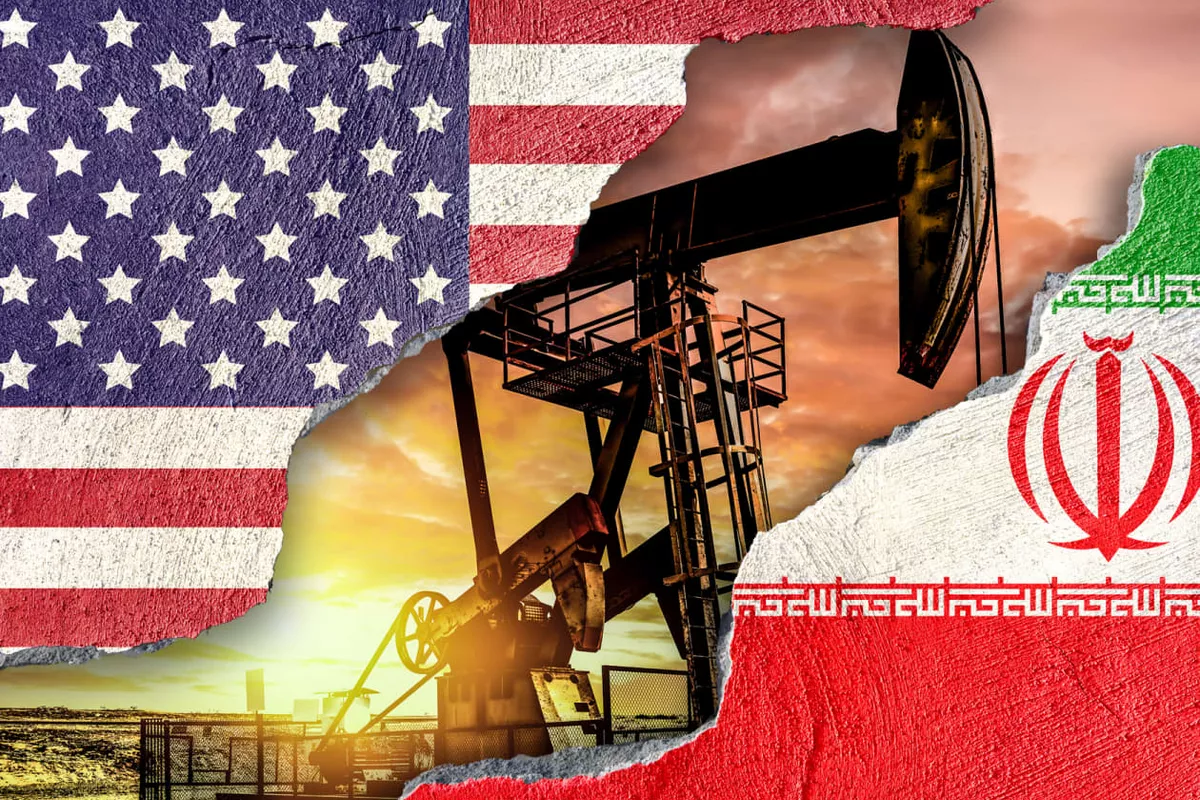
Oil prices declined on Monday after the latest US-Iran talks ended in Switzerland. Iran said it had secured waivers covering oil and petrochemical exports, easing concerns about a potential shortage in global energy markets.
Brent Crude Retreats Below $79
Brent crude fell by $1.68, or 2.09%, to $78.89 per barrel by 06:33 GMT. Earlier in the session, prices had climbed as high as $82.30 per barrel.
The initial rally followed a difficult start to the negotiations. US President Donald Trump threatened to restart military action against Iran, while Tehran announced another closure of the Strait of Hormuz.
These developments briefly increased fears of supply disruptions across one of the world’s most important oil shipping routes.
WTI Oil Prices Also Move Lower
US West Texas Intermediate crude futures traded at $76 per barrel, down 60 cents, ahead of the contract’s expiry later on Monday.
Meanwhile, the more actively traded August contract declined by 69 cents to $75.16 per barrel.
The US oil market did not record an official settlement on Friday because of a public holiday.
Diplomatic Progress Pressures Oil Prices
Improving expectations for a diplomatic breakthrough between the United States and Iran were the main reason behind the decline, according to Sugandha Sachdeva, founder of New Delhi-based research firm SS WealthStreet.
A potential agreement has renewed hopes that US sanctions on Iranian oil could eventually be relaxed. As a result, more Iranian crude could return to the international market.
High-ranking US and Iranian officials completed the first round of negotiations in Switzerland on Monday, mediators said.
The talks began on Sunday under the terms of a memorandum of understanding reached during the previous week. That agreement extended the fragile ceasefire established in April for at least another 60 days.
Iran Announces Oil Export Waivers
Iranian Foreign Minister Abbas Araqchi said Tehran had secured several concessions during the negotiations.
According to Araqchi, these included waivers for Iranian oil and petrochemical exports, the release of some frozen assets and the introduction of a reconstruction and development plan for Iran.
Sachdeva said such an agreement could allow almost 1.5 million barrels per day of Iranian crude to return to global markets.
That additional supply could significantly improve availability at a time when worldwide oil demand growth remains moderate.
Strait of Hormuz Risks Remain
Despite the progress in Switzerland, geopolitical risks remain high.
Shipping data showed that the number of vessels passing through the Strait of Hormuz fell sharply on Sunday. The decline came after Iran announced another closure of the waterway.
Tehran said the decision was a response to alleged US and Israeli violations of the interim peace agreement.
The Strait of Hormuz is a critical route for global energy exports. Therefore, any disruption could quickly affect oil supplies and international prices.
Middle East Tensions Threaten the Ceasefire
Tensions also remained elevated elsewhere in the Middle East.
Lebanon’s state news agency reported that Israeli strikes killed at least 20 people on Saturday. The attacks occurred one day after a ceasefire with Hezbollah took effect following months of escalating violence.
ING analysts warned that reaching a permanent US-Iran agreement would be difficult. They also noted that there remained a significant risk of renewed hostilities during the 60-day ceasefire.
Oil Prices Fell More Than 8% Last Week
Oil prices lost more than 8% during the previous week as traders anticipated an increase in global supply.
Market sentiment improved due to expectations that oil cargoes stranded in the Gulf could be released. Investors also considered the possibility that US sanctions on Iranian oil could be lifted under a broader agreement.
More than 25 million barrels of Iranian oil had crossed the virtual blockade line since Monday, according to National Iranian Oil Company chief Hamid Bovard.
Bovard disclosed the figure during an interview with Iranian state television on Sunday.
Gulf Producers Offer Additional Supply
Other major Middle Eastern producers have also moved to increase the amount of oil available to buyers.
The United Arab Emirates, Kuwait and Iraq offered additional crude supplies to customers during the past week.
Iraq also plans to restore production gradually to between 4.2 million and 4.3 million barrels per day, according to the country’s deputy oil minister for upstream affairs.
The prospect of higher output from Iran and other Gulf producers has reduced immediate supply concerns. However, oil markets remain highly sensitive to developments surrounding the ceasefire, the Strait of Hormuz and future US-Iran negotiations.