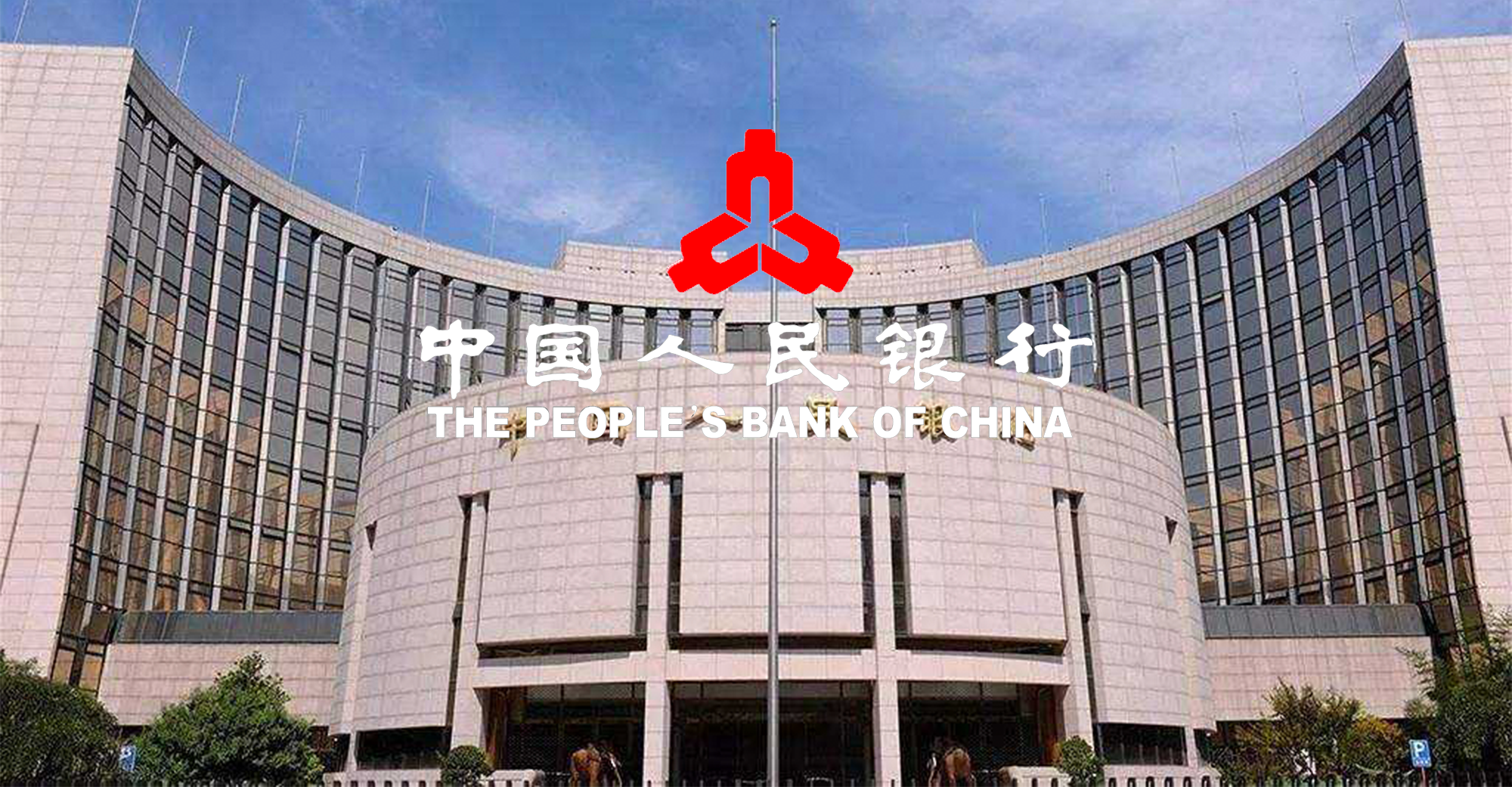
China is widely expected to leave its benchmark lending rates unchanged in June as the country’s uneven economic recovery continues.
Holding rates steady would mark the 13th consecutive month without a change. Policymakers appear cautious despite weakening domestic demand and the ongoing problems in China’s property market.
China’s Loan Prime Rates Expected to Remain Steady
A Reuters survey of 30 market participants found unanimous expectations that both of China’s main loan prime rates will remain unchanged at Monday’s review.
Analysts expect the one-year loan prime rate to stay at 3.00%. Meanwhile, the five-year LPR is forecast to remain at 3.50%.
The one-year rate influences most household and business loans. The five-year rate is commonly used as a reference for mortgage pricing.
How China Calculates Its Lending Rates
The loan prime rate is normally offered to banks’ most creditworthy customers.
Every month, 20 designated commercial banks submit their proposed lending rates to the People’s Bank of China. The central bank then uses these submissions to calculate the official LPR settings.
Although the rates affect borrowing costs across the economy, analysts currently see little indication that Chinese authorities are preparing to reduce them in June.
China’s Economy Shows a Two-Speed Recovery
Expectations for unchanged rates come as recent economic figures highlight a growing divide within the Chinese economy.
China’s manufacturing sector has received support from stronger-than-expected exports. Overseas demand has helped factories maintain production despite wider economic concerns.
Domestic demand, however, continues to weaken. Consumer confidence remains under pressure, while the country’s prolonged property downturn continues to affect household wealth and spending.
This combination has created a K-shaped recovery, where some areas of the economy are improving while others continue to struggle.
Beijing Remains Patient on Economic Stimulus
Henry Hao, senior China economist at Commerzbank, said Beijing continues to show patience despite the imbalance between strong industrial production and deteriorating domestic demand.
The effects of the housing downturn on household wealth remain significant. At the same time, China’s labour market is recovering slowly.
As a result, policymakers appear reluctant to introduce a major domestic stimulus package in the immediate future.
Without stronger government intervention, China’s economic growth could remain uneven and heavily dependent on exports until at least the third quarter.
PBOC Strengthens Control Over Money Markets
While benchmark lending rates are expected to remain unchanged, the People’s Bank of China is increasing its influence over short-term money markets.
The central bank is working to connect overnight borrowing costs more closely with its seven-day reverse repo rate. This rate currently serves as China’s primary monetary policy tool.
PBOC Governor Pan Gongsheng discussed the strategy during the annual Lujiazui Forum this week.
Pan said the central bank plans to expand the range of its overnight reverse repo operations. It will also improve the way it manages temporary overnight repo and reverse repo agreements.
These measures are intended to give the PBOC greater control over short-term liquidity conditions in China’s financial system.
Changes Do Not Signal Immediate Monetary Easing
Citi analysts said the adjustments to short-term liquidity operations should not be viewed as a direct monetary easing measure.
The bank still expects the PBOC to deliver a symbolic interest-rate reduction of 10 basis points during the second half of the year.
However, persistently weak domestic demand could encourage policymakers to act earlier than expected.
For now, China appears prepared to keep its lending rates steady while monitoring the property market, consumer spending and employment conditions. The economy may therefore continue following an uneven and export-dependent growth path in the coming months.