Trump Says U.S.-Iran Deal Rules Out Nuclear Weapons
A memorandum of understanding between the United States and Iran states that Tehran will never possess a nuclear weapon, President Donald Trump said on Tuesday.
Speaking during the Group of Seven summit in France, Trump said the preliminary peace framework could advance to a second stage if the initial agreement proves successful.
Trump Rejects Report of $300 Billion Iran Fund
Trump also dismissed reports that the agreement would establish a $300 billion investment fund for Iran.
According to CNBC, the president described the claim as a ridiculous rumor.
His comments followed the announcement of the preliminary U.S.-Iran agreement shortly before he travelled to France for the G7 summit.
Nuclear Talks Expected to Begin
Negotiations surrounding Iran’s nuclear program are reportedly expected to begin this week.
Although Trump said the memorandum rules out an Iranian nuclear weapon, several important details of the agreement have not yet been released.
The next phase of discussions could therefore focus on how the nuclear commitments will be monitored and enforced.
Strait of Hormuz Could Reopen by Friday
Trump said the Strait of Hormuz could fully reopen by Friday, when representatives from Washington and Tehran are expected to attend a formal signing ceremony in Switzerland.
The strategically important waterway has been largely closed for several weeks.
However, Trump claimed that shipping activity had already started to recover. He said the strait was partially open and that some vessels were beginning to leave the area.
Oil Prices Fall on Supply Recovery Hopes
The prospect of renewed oil shipments through the Strait of Hormuz pushed global energy prices lower.
Brent crude futures extended their decline from recent highs above $110 per barrel. The international oil benchmark temporarily fell below $80, reaching its lowest level since the U.S.-Israeli offensive against Iran began in late February.
Before the conflict, Brent crude traded at approximately $70 per barrel.
The latest decline suggests that investors are removing part of the geopolitical risk premium that had developed during the war.
Shipping Normalization May Take Longer
Despite Trump’s timeline, uncertainty remains over how quickly normal shipping operations can resume.
The Wall Street Journal reported that senior U.S. officials believe it could take approximately two weeks for traffic through the Strait of Hormuz to return to normal.
Maritime security, insurance costs and logistical delays could continue to restrict oil shipments even after the waterway formally reopens.
Full Agreement Could Be Released Friday
Trump said the text of the U.S.-Iran agreement would be published on Friday.
However, other officials reportedly suggested that the document could become public within two days.
Current reports indicate that the memorandum would extend the existing ceasefire by another 60 days. It could also reopen the Strait of Hormuz and end the U.S. blockade of Iranian ports.
Trump and Vice President JD Vance electronically signed the preliminary agreement on Sunday.
Vance is expected to attend the formal ceremony in Switzerland. However, he acknowledged that several significant issues still need to be resolved.
Lebanon Conflict Threatens Peace Framework
One of the most difficult issues involves Israel’s continuing military operation in Lebanon against Iran-backed Hezbollah forces.
Israeli Prime Minister Benjamin Netanyahu has reportedly sought a meeting with Trump to discuss the agreement.
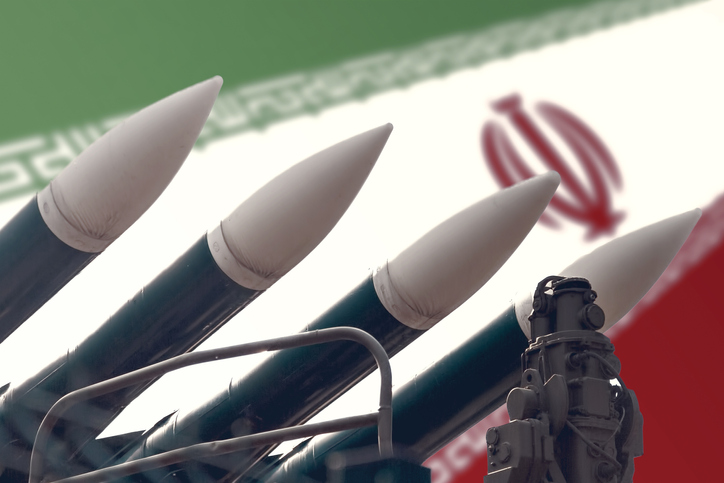
Netanyahu has expressed concern that the framework does not completely dismantle Iran’s ballistic missile production or its regional network of allied militias.
Israeli Defense Minister Israel Katz has also said that the country’s military will not withdraw from southern Lebanon.
Iran Demands Israeli Withdrawal
Iranian Foreign Minister Abbas Araghchi said any lasting peace agreement must include an end to Israel’s presence in the occupied areas of southern Lebanon.
According to Iranian state television, Araghchi argued that the war cannot be considered fully over until Israeli forces withdraw.
He also warned that additional attacks would be treated as a violation of the memorandum of understanding.
However, U.S. officials reportedly said an Israeli withdrawal is not a formal condition for ending hostilities.
Trump later called on Netanyahu to act more responsibly regarding Lebanon, highlighting the disagreements that could complicate the next stage of the U.S.-Iran peace process.