SpaceX shares extended their gains on Monday after the company delivered a powerful Nasdaq debut. The stock surged 19% on Friday following the largest initial public offering in history.
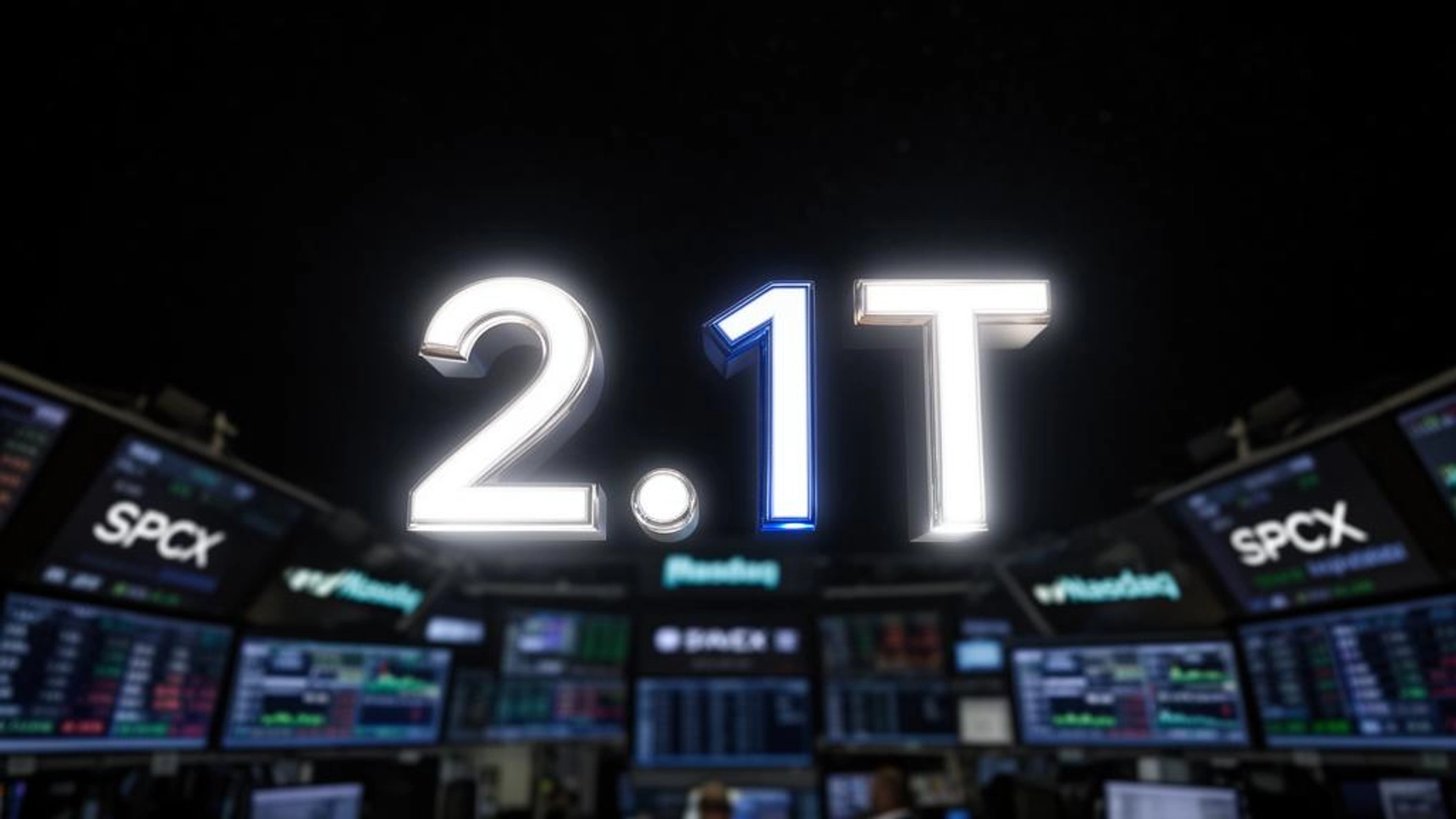
The rocket and satellite company ended its first trading session with a market capitalization of approximately $2.1 trillion.
SpaceX Stock Rises After Record IPO
SpaceX trades on the Nasdaq under the ticker SPCX.
The shares opened at $150 on Friday after the company raised $75 billion through its IPO. The stock later reached an intraday high of $176.52 before closing near $161.
SpaceX shares gained another 7.9% shortly after the market opened on Monday. The move added more than $160 billion to the company’s valuation.
Trading Volume Approaches Facebook’s IPO Record
Investor demand for SpaceX stock was strong during its first day of trading.
More than 500 million shares changed hands on Friday. That figure approached the trading activity recorded during Facebook’s stock market debut in 2012, when approximately 580 million shares were traded.
The heavy volume highlighted the intense interest surrounding the SpaceX IPO.
Elon Musk Outlines SpaceX Growth Plans
During a JPMorgan Chase livestream before the listing, SpaceX Chief Executive Elon Musk said the company had generated positive cash flow since around 2015.
Musk described the IPO as the beginning of a major growth phase for SpaceX.
The company plans to deploy more than 100,000 satellites for communications services. It also intends to develop artificial intelligence data centers in space.
These projects could expand SpaceX beyond launch services and satellite internet into new areas of technology and infrastructure.
Jefferies Sees Space as a Strategic Industry
Jefferies analysts outlined the broader investment case for the space economy in a research note republished to coincide with the IPO.
The analysts said space has become a strategic industrial sector. They expect public policy, geopolitical competition and spending by the United States and China to play a major role in future returns.
Jefferies estimated that the global space economy is currently worth approximately $600 billion.
The market could triple in size to $1.8 trillion by 2035. Defense is expected to be the fastest-growing segment.
U.S. Government Leads Global Space Spending
The United States accounts for roughly 60% of global government spending on space.
U.S. public-sector spending is estimated at around $80 billion, which is more than the rest of the world combined. China spends approximately $20 billion in nominal terms.
The U.S. Space Force budget increased by 40% year over year during fiscal 2026. The Golden Dome missile defense program was a major contributor to that increase.
As a result, Space Force spending reached $40 billion. That total was significantly higher than NASA’s $24 billion budget.
SpaceX Strengthens Ties With the U.S. Government
SpaceX is NASA’s second-largest commercial contractor based on the value of payments received. Only Caltech ranks higher.
The company secured approximately $2.1 billion in contracts during 2025. Those agreements covered launch services, communications and information technology infrastructure.
Jefferies analysts said the U.S. government has effectively transferred a significant amount of space activity to SpaceX.
This relationship has created a close connection between federal spending priorities and the company’s future business performance.