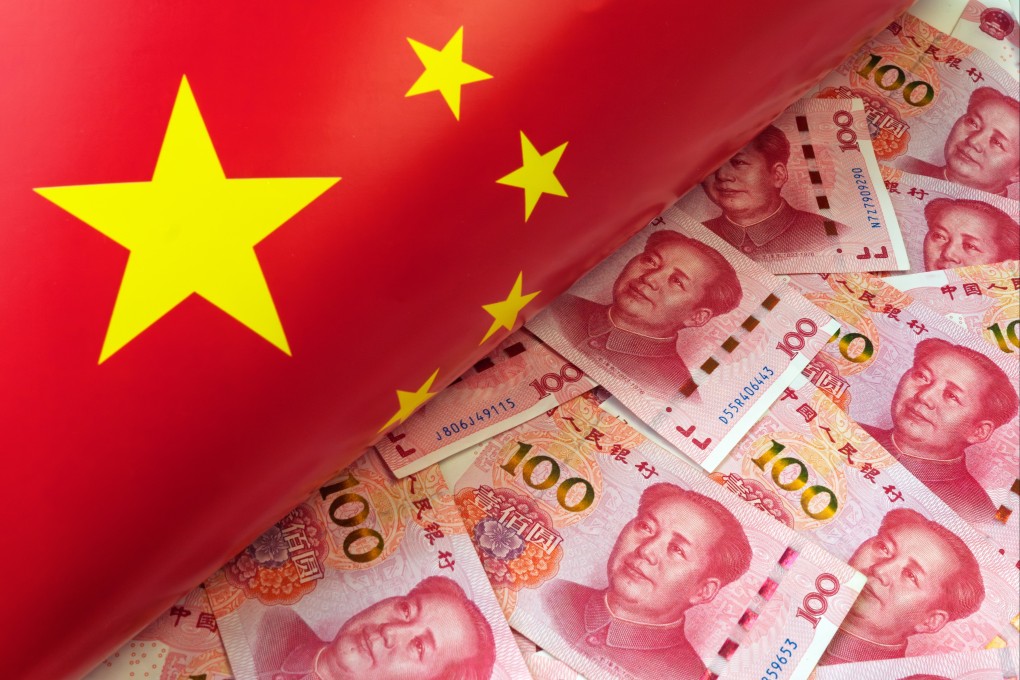
Chinese Government Bonds Gain Safe-Haven Appeal During Iran War
Global asset managers have increased their exposure to Chinese government bonds since the Iran war began. Investors are not primarily attracted by high returns. Instead, they value the market’s low correlation with Western assets.
Since March, government bond markets across the United States, Britain, Europe and Japan have suffered heavy losses. Benchmark yields in these regions have climbed by between 35 and 60 basis points.
In contrast, yields on comparable Chinese government bonds have fallen by around eight basis points.
Global Investors Reassess Portfolio Strategies
The strong performance of Chinese bonds has attracted sovereign wealth funds, central banks, insurance companies and other long-term investors.
This trend is encouraging institutions to reconsider how they build diversified portfolios. However, growing demand has also pushed Chinese yields to some of the lowest levels globally outside Switzerland.
Wei Li, head of multi-asset investments at BNP Paribas Securities, said Chinese debt appeals to investors focused on protecting capital.
According to Li, Chinese bonds can provide a stable counterweight to riskier assets that offer higher yields. Their attraction comes from price stability rather than headline returns.
Traditional Safe Havens Lose Ground
Chinese government bonds have stood out as several traditional safe-haven assets have struggled.
Gold, for example, has fallen by around 25% from its January peak.
The Guotai 10-Year China Treasury ETF has gained 1.26% so far this year. By comparison, the U.S.-focused iShares 7-10 Year Treasury Bond ETF has declined by 2.57%.
Invesco’s equivalent euro government bond ETF has also fallen by around 1.23%.
Low Correlation Supports Portfolio Diversification
One of the biggest advantages of Chinese government bonds is their limited connection with movements in Western interest-rate markets.
Matthias Dettwiler, head of active fixed income at UBS Asset Management, noted that the correlation between Chinese government bonds and European rates is close to zero.
This makes Chinese bonds attractive to investors seeking portfolio diversification or capital protection.
For these investors, the absolute yield may be less important than stability and low correlation with other asset classes.
Why Chinese Bond Yields Remain Low
Several domestic factors have protected China’s bond market from the volatility caused by the Middle East oil shock.
China has substantial energy reserves, while its central bank maintains a relatively supportive policy stance. Inflation also remains subdued because consumer demand continues to be weak.
High levels of household savings provide further support. Chinese banks channel a large share of these savings into the domestic bond market, helping to keep yields low.
Jerome Tay, senior fixed-income investment manager at Aberdeen, said abundant liquidity continues to play a major role in supporting Chinese government bonds.
China’s 10-Year Yield Falls Below Japan’s
The yield on China’s 10-year government bond stands at approximately 1.75%. That is now around one percentage point below Japan’s equivalent yield.
This represents a major shift from conditions seen until late 2025, when Japan offered some of the lowest government bond yields in the world.
However, the two markets operate under very different conditions.
Years of central bank stimulus and deflation encouraged Japanese investors to move capital overseas. China’s strict capital controls, by contrast, keep a large amount of domestic money inside the country.
China’s Central Bank Maintains Dovish Position
China’s monetary policy also differs from the approach taken in the United States, Europe and Japan.
While several major central banks have tightened policy to control inflation, the People’s Bank of China has remained relatively dovish. Weak price pressures give policymakers more room to support the economy.
Stephen Chang, an Asia portfolio manager at PIMCO, said the difference in economic conditions and central bank policies helps explain the stability of China’s bond market.
PIMCO continues to hold exposure to Chinese bonds while searching for attractive relative-value opportunities.
Chinese Bonds Offer Stability in Volatile Markets
Chinese government bonds may offer limited yields, but their low volatility and weak correlation with Western markets have increased their appeal.
For investors focused on capital preservation, these characteristics can be more important than income.
As global bond markets remain volatile, Chinese debt is emerging as an unexpected defensive asset within diversified investment portfolios.