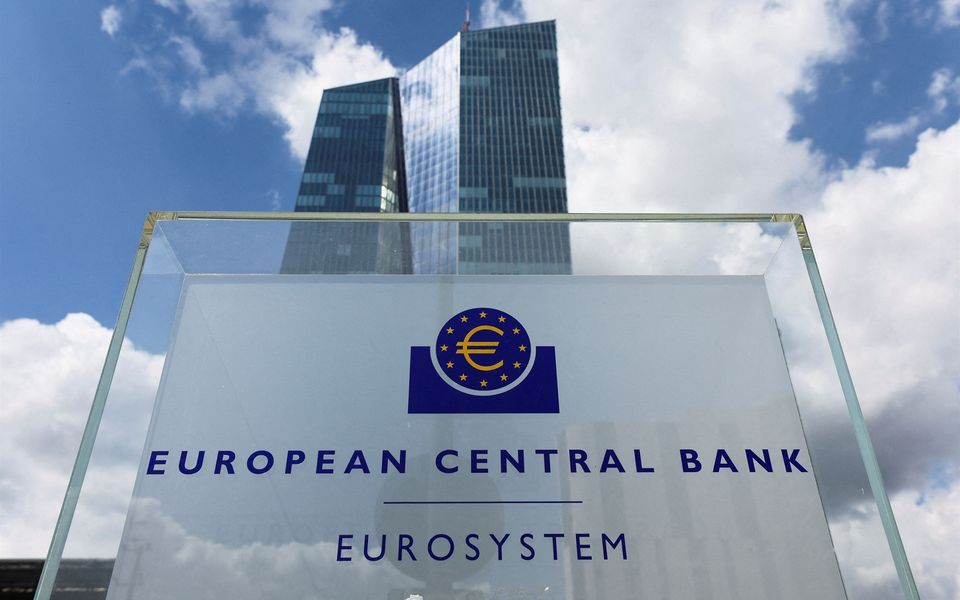
ECB Raises Interest Rates as Energy-Driven Inflation Accelerates
The European Central Bank (ECB) has increased its key deposit rate to 2.25% from 2%, matching market expectations as policymakers seek to contain rising inflationary pressures fueled by higher energy prices linked to the ongoing conflict involving Iran.
The move marks the ECB’s first interest rate increase in nearly three years and reflects growing concerns that elevated oil and energy costs could keep inflation above the central bank’s target for an extended period.
Energy Shock Changes the Outlook for Central Banks
At the start of the year, many investors expected major central banks to begin cutting interest rates. However, the recent surge in energy prices has forced policymakers to reconsider their approach.
A major factor behind the increase in oil and natural gas prices has been the prolonged disruption of traffic through the Strait of Hormuz. The strategic waterway off Iran’s southern coast handles roughly one-fifth of global oil and liquefied natural gas shipments, making it one of the most important energy routes in the world.
The supply concerns have added fresh inflationary pressure to economies worldwide and complicated the outlook for monetary policy.
Eurozone Inflation Remains Above Target
Inflation in the Eurozone has climbed above 3%, significantly exceeding the ECB’s long-term target of 2%.
In its official statement, the ECB said the rate hike was based on a range of economic scenarios assessing how the energy shock could affect inflation and economic growth over the medium term.
Officials argued that the decision provides the central bank with greater flexibility to manage uncertainty stemming from the ongoing Middle East conflict, which has now lasted for more than three months.
Analysts See Move as an Inflation Prevention Strategy
Economists at ING suggested the ECB may be attempting to avoid repeating mistakes made during previous inflationary periods.
According to the analysts, becoming the first major central bank to raise interest rates sends a message that policymakers are willing to act early rather than risk falling behind the inflation curve.
ING noted that the ECB faced criticism during the inflation surge of 2021 and 2022 for reacting too slowly to rising prices.
The analysts described the latest decision as both a precautionary measure against a new inflation wave and an effort to reassure markets that the central bank remains committed to price stability.
Inflation Forecasts Revised Higher
The ECB also updated its economic projections, reflecting the impact of higher energy costs.
New forecasts from Eurosystem staff show headline inflation averaging 3% in 2026, 2.3% in 2027, and 2% in 2028.
These figures represent a noticeable increase from previous estimates, which projected inflation at 2.6%, 2%, and 2.1% respectively over the same period.
The revised outlook highlights the challenges policymakers face as inflation remains stubbornly elevated.
Eurozone Growth Outlook Weakens
While inflation forecasts were revised upward, growth expectations for the Eurozone economy were lowered.
The ECB now expects gross domestic product (GDP) growth of 0.8% this year, down from its previous estimate of 0.9%.
The downgrade reflects growing concerns that higher borrowing costs, weaker consumer spending, and elevated energy prices could weigh on economic activity across the region.
Lagarde Warns of Continued Risks
Following the policy announcement, ECB President Christine Lagarde said inflation is expected to return to the central bank’s 2% target by autumn 2027.
However, she warned that inflation could remain higher for longer if energy prices continue rising or remain elevated for an extended period.
Lagarde also emphasized the fragile state of the Eurozone economy, describing the current environment as one where economic growth is either absent or increasingly under threat.
The ECB now faces the difficult challenge of balancing inflation control with supporting an economy that is showing signs of slowing momentum.