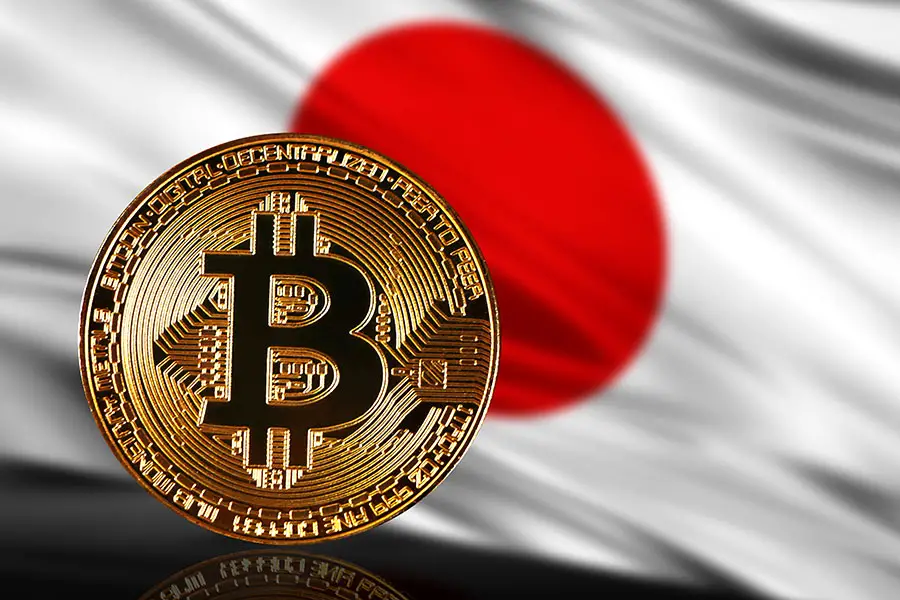
Japan Moves Closer to Treating Bitcoin, Ethereum, and XRP Like Traditional Stocks
Japan has taken a significant step toward reshaping its cryptocurrency regulatory framework after lawmakers approved a major digital asset reform bill that could classify cryptocurrencies such as Bitcoin, Ethereum, and XRP as financial instruments similar to stocks and bonds.
House of Representatives Approves Crypto Reform Bill
On June 11, Japan’s House of Representatives passed amendments to the country’s Financial Instruments and Exchange Act. The proposal will now move to the House of Councillors for final review and approval.
If enacted, the legislation would officially recognize major cryptocurrencies as financial products, bringing them under a regulatory framework traditionally applied to securities markets. The move could mark one of the most important developments for the Japanese crypto industry in recent years.
Bitcoin and Crypto ETFs Could Become a Reality
One of the most notable implications of the reform is the potential introduction of spot Bitcoin and cryptocurrency exchange-traded funds (ETFs) in Japan.
Industry observers believe the updated framework would create a clearer legal path for digital asset investment products. The Japan Exchange Group has reportedly expressed interest in launching Bitcoin and crypto ETFs by 2027, potentially opening the door to greater institutional participation in the market.
Companies connected to crypto investment products could also benefit as investor demand for regulated digital asset exposure continues to grow globally.
Major Tax Reduction for Crypto Investors
The proposed legislation also includes substantial tax reforms that could make Japan a more attractive destination for cryptocurrency investors.
Currently, profits from cryptocurrency trading are taxed under a progressive system that can reach as high as 55%. Under the new framework, digital assets classified as securities would instead be subject to a flat 20% capital gains tax rate.
If approved, the reduced tax structure is expected to take effect from 2028, significantly lowering the tax burden for both retail and institutional investors.
Stronger Oversight and Market Protections
In addition to tax changes, the reform introduces stricter regulatory standards across the cryptocurrency sector.
Insider trading rules currently applied to publicly traded stocks would be extended to cryptocurrency markets, creating stronger protections for investors. Authorities also plan to increase penalties for the sale of unregistered digital assets, with maximum prison sentences rising from three years to ten years.
Japanese regulators argue that these measures will help create a safer and more transparent market environment while continuing to support innovation within the digital asset industry.
Greater Clarity for Crypto Businesses
Market participants believe the legislation could reduce regulatory uncertainty for companies operating in Japan’s cryptocurrency sector.
A more standardized legal framework would make it easier for firms to develop products, attract investment, and expand operations within the country. Industry leaders suggest that clearer regulations could strengthen Japan’s position as one of the world’s leading digital asset hubs.
The proposal arrives as major Japanese financial institutions continue expanding their crypto offerings. Among them, SBI Holdings, a long-time Ripple partner, recently broadened its digital asset services through its SBI VC Trade platform, including support for Solana-related trading and custody solutions.
If the bill receives final approval, Japan could become one of the most crypto-friendly major economies, combining lower taxes, institutional investment products, and stronger regulatory clarity under a single framework.