Trump Defends Inflation Rise as Iran Conflict Drives Higher Prices
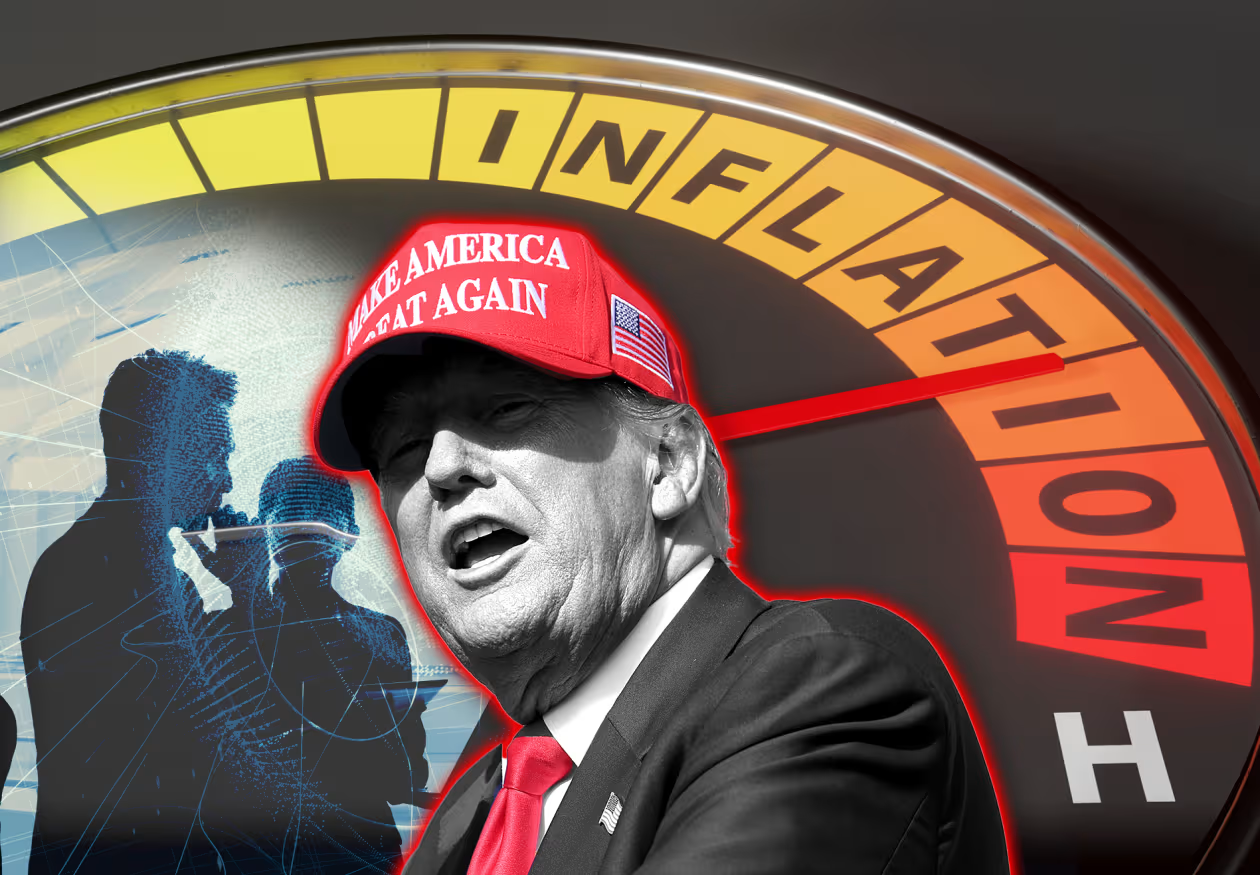
President Donald Trump appeared unfazed by the latest inflation data on Wednesday, telling reporters that he “loves” inflation while expressing confidence that prices will fall once the conflict with Iran comes to an end.
His comments came after new government data showed U.S. consumer inflation accelerated above 4% in May, marking the fastest annual increase in three years and raising concerns about the economic impact of the ongoing Middle East conflict.
Trump Says Energy Costs Will Fall After Conflict Ends
When questioned about the inflation report and its potential political impact ahead of the upcoming midterm elections, Trump defended his administration’s actions and argued that rising prices are closely linked to the situation in the Middle East.
The president revealed that he authorized a confidential operation to help move oil shipments through the Strait of Hormuz, a critical global energy route affected by the conflict.
According to Trump, the decision was necessary despite the inflation risks because protecting energy supplies was a higher priority.
He also expressed confidence that oil prices would decline sharply once the conflict is resolved.
“When it’s over, you will see oil drop to where it was before,” Trump said, adding that prices would “come down like a rock.”
Iran Conflict Adds Pressure to Inflation
The ongoing conflict with Iran has increased pressure on global energy markets after Tehran’s closure of the Strait of Hormuz disrupted a key shipping route for oil and other commodities.
The disruption has contributed to rising costs for gasoline, fertilizers, and a range of consumer goods, adding to inflationary pressures throughout the economy.
Higher inflation could also complicate monetary policy by making it more difficult for the Federal Reserve to reduce interest rates in the near future.
Trump has repeatedly called for lower interest rates since returning to office, arguing that reduced borrowing costs would support economic growth.
Political Risks Ahead of Midterm Elections
Inflation remains one of the most important issues for American voters as Republicans seek to maintain control of both the House of Representatives and the Senate.
Some Republican strategists are concerned that continued increases in the cost of living could trigger voter frustration and strengthen support for Democratic candidates in the upcoming elections.
Trump’s economic message is particularly significant because controlling inflation was a central theme of his successful 2024 presidential campaign.
However, recent polling has shown declining approval ratings for the president, particularly regarding his handling of inflation and living costs.
Strait of Hormuz Disruptions Remain a Concern
Efforts to fully restore tanker traffic through the Strait of Hormuz have so far made limited progress.
Industry experts and market analysts warn that the energy market remains vulnerable to additional supply disruptions, which could lead to another significant rise in oil prices and broader volatility across financial markets.
Even if a diplomatic agreement is reached soon, analysts believe it could take months before supply chains return to normal, with some disruptions potentially extending into 2026.
While the United States is less exposed to energy shocks than many other countries, prolonged periods of elevated fuel prices could still weigh on consumer spending and economic activity.
National Security Remains Trump’s Priority
Last month, Trump emphasized that national security concerns remain his primary focus in dealing with Iran.
Responding to questions about the economic impact on American households, the president stated that preventing Iran from obtaining a nuclear weapon remains his administration’s top objective, even as the conflict continues to affect global markets and inflation trends.