Iran Launches Strikes on US Bases as Middle East Tensions Escalate
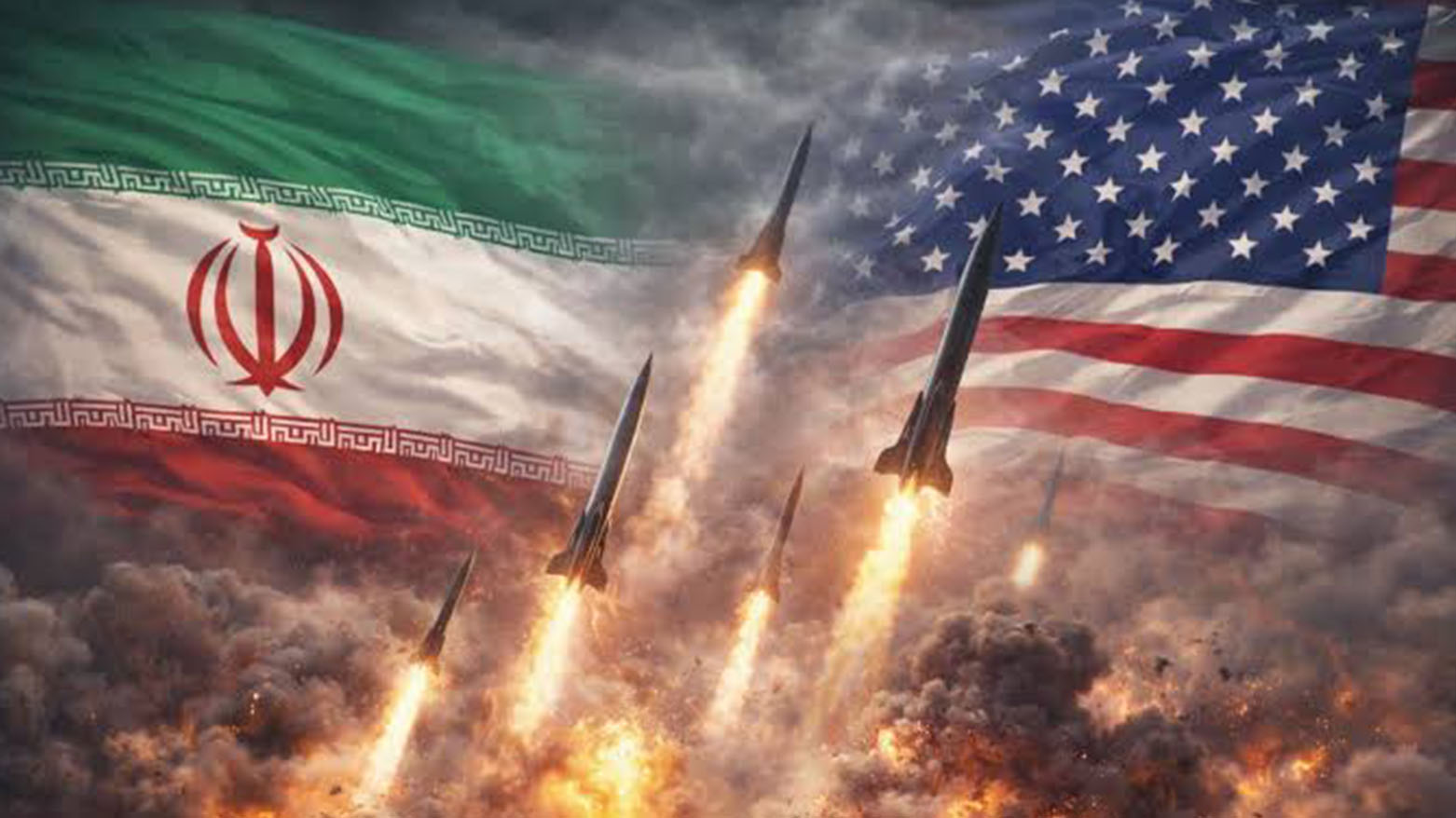
Iran’s Revolutionary Guard has announced a new wave of military strikes targeting U.S. bases and other strategic locations across the Gulf region in response to recent American attacks, according to Iranian state media reports.
The latest escalation marks a significant increase in tensions between Washington and Tehran and further reduces hopes for a near-term diplomatic resolution to the ongoing conflict.
Iranian Retaliation Targets US Military Facilities
According to reports, Iranian forces launched missiles and drones against U.S. military installations in Kuwait and Bahrain following American strikes on Iranian targets near the Strait of Hormuz.
The U.S. military stated that its earlier operations were conducted in self-defense after the downing of a U.S. Apache helicopter in the strategically important waterway earlier this week.
President Donald Trump defended the military response, stating that the United States had no choice but to react to the attack on its aircraft.
Most Iranian Missiles and Drones Intercepted
Initial reports indicated that the majority of missiles and drones launched by Iran were intercepted before reaching their intended targets.
There were no immediate reports of casualties or significant damage to U.S. military assets in the region.
At the same time, the full extent of damage caused by the American strikes against Iranian targets remains unclear.
Peace Hopes Fade as Conflict Intensifies
The renewed military exchanges have dealt another blow to diplomatic efforts aimed at reducing tensions in the Middle East.
Iran strongly condemned the U.S. strikes and warned that any future attacks would be met with an even stronger response.
Iranian Foreign Minister Abbas Araghchi issued a direct warning to Washington, stating that if the United States seeks safety, it should leave the region. He also emphasized that Iran’s armed forces would not leave any attack or threat unanswered.
Earlier Ceasefire Optimism Quickly Dissolves
Only days earlier, hopes for de-escalation had improved after Iran and Israel agreed to suspend airstrikes against one another following calls for restraint from President Trump.
The temporary pause in hostilities led some observers to believe that diplomatic progress was possible.
Trump also reiterated earlier this week that a peace agreement could be close and suggested the United States was nearing a strategic victory over Iran.
However, the latest military confrontation has cast serious doubt on those expectations.
Strait of Hormuz Remains Closed
Efforts to secure a broader peace agreement have made little progress, with the conflict now entering its fourth consecutive month.
The Strait of Hormuz remains closed, continuing to disrupt regional trade and energy shipments, while the United States maintains a naval blockade against Iran.
Given the strategic importance of the waterway, any prolonged disruption could have major consequences for global energy markets.
Oil Prices Rise as Markets Turn Risk-Averse
Financial markets reacted quickly to the latest escalation.
Oil prices surged on concerns that supply disruptions could worsen if tensions continue to rise in the Gulf region.
At the same time, risk-sensitive assets came under pressure as investors shifted toward safer investments amid growing geopolitical uncertainty.
With diplomatic efforts stalled and military activity intensifying, market participants remain focused on developments in the Middle East and their potential impact on global economic stability.