South Korea Clears SpaceX IPO-Linked Dollar Demand as Pressure on Won Eases
The significant foreign exchange demand tied to SpaceX’s upcoming initial public offering (IPO), which has weighed on South Korea’s currency in recent weeks, has largely been resolved, according to a source familiar with the matter.
The source told Reuters that an estimated $1.5 billion worth of orders to purchase U.S. dollars has now reached its final processing stage. The individual requested anonymity due to the sensitive nature of the transactions.
SpaceX IPO Sparks Massive Global Investor Interest
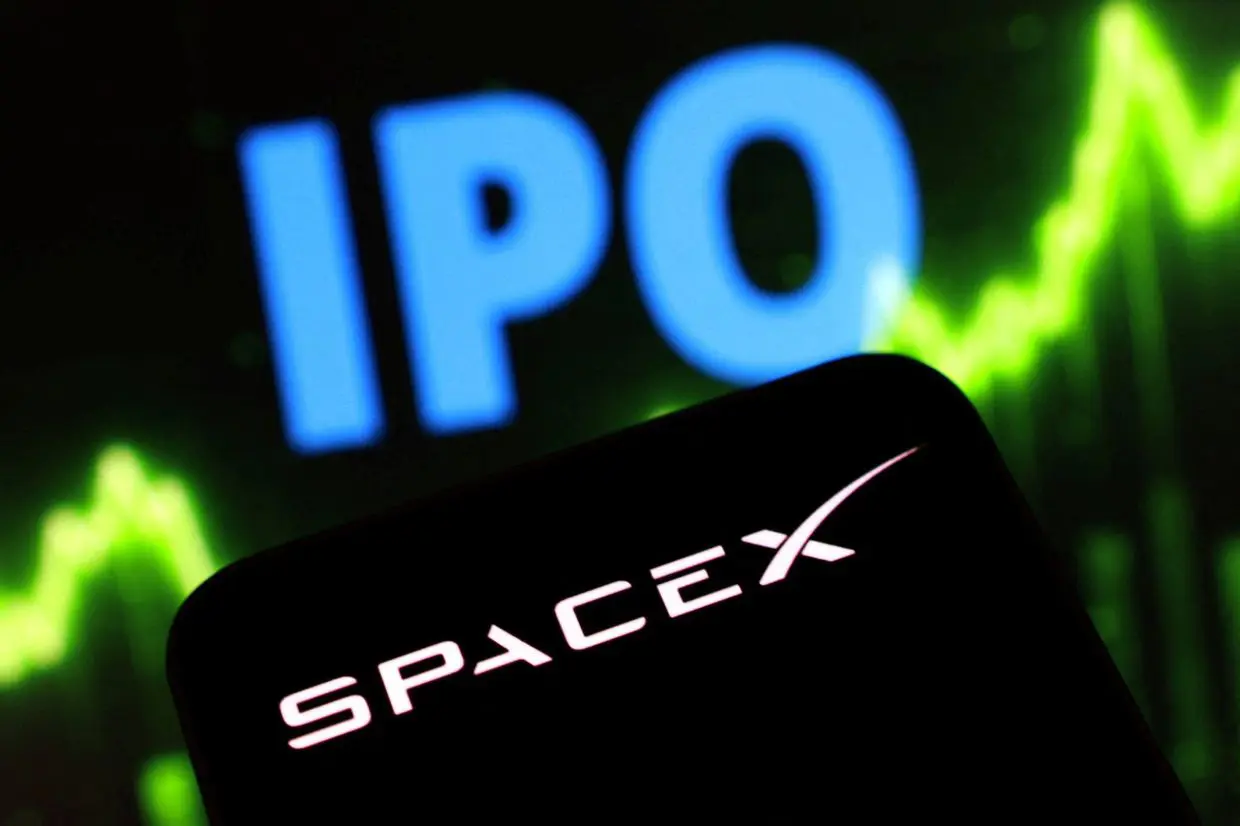
SpaceX has attracted more than $250 billion in investor demand ahead of what could become the largest IPO in history, according to a Reuters report published Tuesday. The figure far exceeds the approximately $75 billion the company is seeking to raise.
The IPO is expected to be priced on Thursday, after which share allocations will be finalized for both institutional and retail investors.
Dollar Demand Nearing Completion
According to the source, market participants closely monitored the impact of the SpaceX IPO on the South Korean foreign exchange market, particularly regarding demand for U.S. dollars.
“There was significant interest in how much dollar demand the SpaceX IPO would generate in the dollar-won foreign exchange market. The volume itself sits around $1.2 billion to $1.5 billion,” the source said.
The source added that the conversion process has been completed in stages and is now almost finished, meaning it should no longer place downward pressure on the Korean won.
“The supply and demand issues related to this have been resolved,” the source noted.
Korean Won Strengthens Following Report
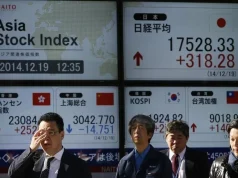
Following the news, the South Korean won extended its gains and traded at 1,524.1 per U.S. dollar, up 0.56% during afternoon trading.
The currency had previously fallen to a 17-year low as domestic institutions and wealthy retail investors sought funding to participate in SpaceX’s pre-IPO allocation process.
Why the Won Came Under Pressure
The estimated $1.5 billion outflow weighed heavily on the Korean currency despite South Korea recording a near-record current account surplus of $28.3 billion in April.
Analysts point out that the dollar-won spot market remains relatively shallow, with daily trading volumes averaging around $14 billion. As a result, large one-off transactions can have an outsized impact on exchange rates, particularly during periods of heightened market volatility.
Even after the recent recovery, the Korean won remains among Asia’s weakest-performing currencies this year, declining roughly 5% against the U.S. dollar.
South Korean Authorities Increase FX Market Oversight
In response to ongoing currency market volatility, South Korean regulators are stepping up oversight efforts.
The Bank of Korea and the Financial Supervisory Service announced plans to conduct joint inspections of major foreign exchange banks for the first time in 14 years. The initiative aims to identify and prevent any attempts to manipulate exchange rates for profit.
The move underscores authorities’ commitment to stabilizing the currency market and maintaining confidence in South Korea’s financial system as global capital flows continue to influence local exchange rates.