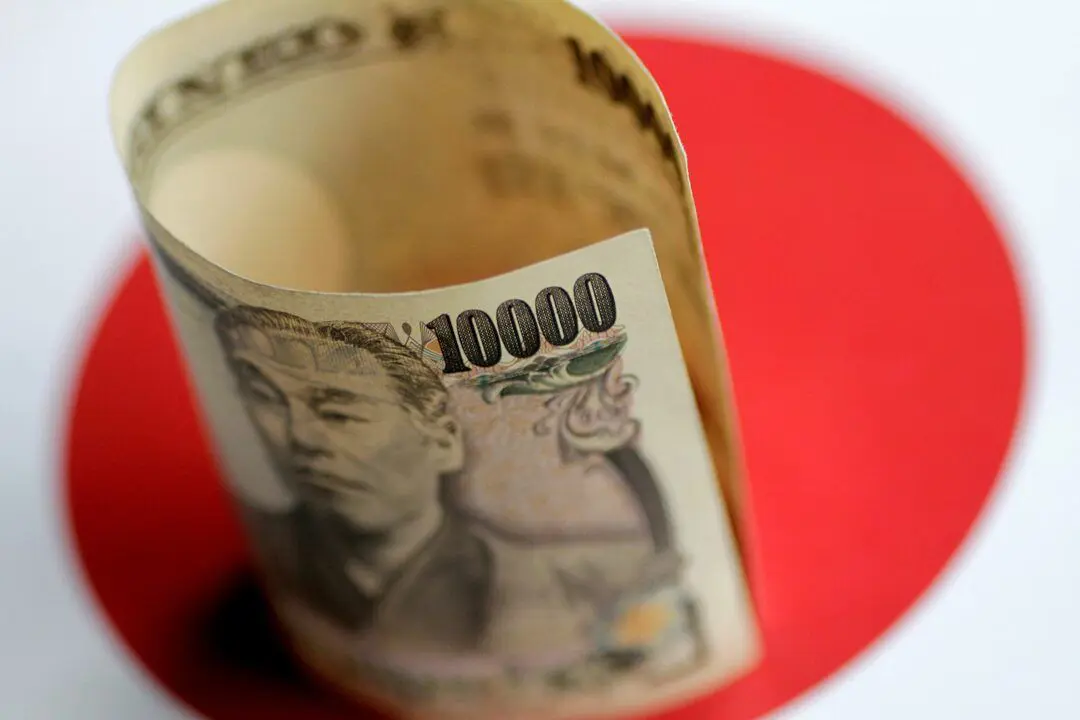
Japan Warns on Weak Yen and Rising Bond Yields Amid Growing Fiscal Strains
Japanese policymakers signaled on Tuesday that they remain prepared to take decisive action against excessive weakness in the yen while closely monitoring rising government bond yields that could weigh on economic growth.
The comments highlight the increasingly difficult balancing act facing authorities as they attempt to stabilize financial markets while managing inflation, fiscal pressures, and monetary policy normalization.
Yen Remains Under Pressure Despite Intervention Threats
Japan’s Finance Minister Satsuki Katayama reiterated that authorities are ready to respond if currency market movements become excessive.
“Our stance remains unchanged. We are always prepared to take decisive measures,” Katayama said during a press conference.
Despite repeated warnings, the Japanese yen continued to weaken, trading as low as 160.295 against the U.S. dollar. The 160-per-dollar level is widely viewed by market participants as a threshold that could increase the likelihood of government intervention.
Recent expectations of a Bank of Japan interest rate hike have also failed to provide meaningful support for the currency.
Massive Currency Intervention Shows Limited Impact
Official data revealed that Japanese authorities spent approximately 11.7 trillion yen, or around $73 billion, intervening in foreign exchange markets between late April and early May.
The intervention effort was aimed at strengthening the yen and curbing excessive volatility.
However, the impact has been short-lived, with the currency surrendering all of the gains achieved following the record intervention campaign.
The situation underscores the challenges policymakers face in supporting the yen amid persistent dollar strength and changing global interest rate expectations.
Rising Bond Yields Add New Economic Risks
Alongside currency concerns, Japanese officials are becoming increasingly focused on rising government bond yields.
Inflationary pressures linked to the ongoing Iran conflict have pushed Japan’s benchmark 10-year government bond yield to 2.740%, putting it on track for its highest closing level since May 22.
Economic Revitalisation Minister Minoru Kiuchi emphasized that policymakers are carefully evaluating how higher borrowing costs could affect the broader economy.
According to Kiuchi, rising interest rates can influence economic activity through multiple channels, making close monitoring essential.
Fiscal Pressures Continue to Build
Prime Minister Sanae Takaichi’s administration has introduced several measures aimed at protecting households from rising living costs.
These include fuel subsidies and a temporary freeze on Japan’s 8% food sales levy. While the policies may help support consumer spending, they are also adding pressure to Japan’s already strained fiscal position.
An influential ruling party panel submitted recommendations to the government on Tuesday calling for continued support measures and the possibility of additional spending if economic conditions deteriorate because of the Iran conflict.
The panel also argued that during periods of crisis, governments should avoid tax increases and spending cuts even if such decisions delay long-term fiscal targets.
Debate Emerges Over BOJ Independence
The policy recommendations also raised questions about whether existing legislation governing the Bank of Japan’s independence remains aligned with the government’s increasingly proactive fiscal strategy.
The discussion reflects growing debate within Japan regarding the coordination of fiscal and monetary policy as the country navigates inflation, currency weakness, and slowing global growth.
Kiuchi expressed hope that the Bank of Japan would continue working closely with the government to achieve its long-term inflation target of 2%.
BOJ Rate Hike Expected Next Week
Market participants are increasingly expecting the Bank of Japan to raise its benchmark policy rate to 1.0% from 0.75% at its upcoming policy meeting ending on June 16.
However, analysts note that a significant escalation in Middle East tensions could alter the central bank’s plans.
In addition to interest rates, the BOJ is reportedly considering pausing its government bond reduction program, a move that would represent an important shift in its quantitative tightening strategy.
Outlook for Japan’s Economy
Japan faces a complex economic environment characterized by a weakening currency, rising bond yields, persistent inflation pressures, and growing fiscal challenges.
While policymakers remain committed to supporting economic growth, upcoming decisions by the Bank of Japan and the government could play a crucial role in determining the country’s economic trajectory over the coming months.