Asian Chip Stocks Fall as AI-Fueled Rally Loses Momentum
Asian semiconductor stocks came under heavy selling pressure on Monday as the recent artificial intelligence-driven rally began to lose momentum. Shares of major chipmakers across South Korea, Japan, Taiwan and China declined sharply as investors locked in profits following months of strong gains.
The sector-wide retreat reflected growing concerns over elevated valuations, rising bond yields and weaker sentiment following disappointing results from key technology companies.
South Korean Chipmakers Lead Regional Losses
South Korea’s technology sector was among the hardest hit during the session.
Shares of memory chip giant SK Hynix dropped 5.4%, while Samsung Electronics fell 2%. LG Electronics, which had also benefited from optimism surrounding artificial intelligence and advanced technologies, plunged 6.9%.
The sharp decline in technology shares weighed heavily on the broader South Korean stock market, causing the KOSPI index to tumble as much as 8.8% before recovering part of its losses later in the day.
SK Hynix managed to limit some of its decline after announcing a new partnership with Nvidia, reinforcing its role within the rapidly expanding AI supply chain.
Japanese Technology Stocks Retreat
Japan’s semiconductor sector also experienced significant losses.
SoftBank Group, which has substantial exposure to artificial intelligence through its investment in OpenAI and its ownership stake in Arm Holdings, fell 6.8%.
Several major Japanese semiconductor companies recorded even steeper declines. Tokyo Electron, Kioxia Holdings, Ibiden and Advantest all dropped between 5.7% and 8%.
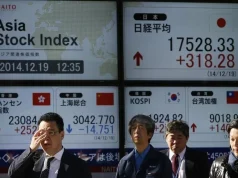
The widespread weakness across technology shares pushed the Nikkei 225 index nearly 4% lower during trading.
Taiwan and China Chipmakers Also Under Pressure
The selloff extended throughout the broader Asian semiconductor industry.
Taiwan Semiconductor Manufacturing Company (TSMC), the world’s largest contract chip manufacturer, fell more than 2%.
In China, Semiconductor Manufacturing International Corporation (SMIC) and Hua Hong Semiconductor each declined close to 4% as investors reduced exposure to semiconductor stocks across the region.
The synchronized weakness highlighted the global nature of the current pullback in AI-related equities.
Wall Street Selloff Triggers Global Weakness
The downturn in Asian chip stocks followed significant losses in U.S. technology shares at the end of last week.
Investor sentiment weakened after server manufacturer Broadcom released results that failed to meet the market’s high expectations. The earnings disappointment triggered widespread profit-taking across artificial intelligence-related stocks.
At the same time, renewed geopolitical tensions in the Middle East added further uncertainty, encouraging investors to move away from higher-risk assets.
Rising Treasury Yields Weigh on Technology Shares
Technology stocks also faced additional pressure from rising U.S. Treasury yields.
Following stronger-than-expected U.S. nonfarm payrolls data, investors increased expectations that the Federal Reserve may keep interest rates elevated for longer.
Higher bond yields tend to weigh on growth-oriented technology stocks because they reduce the present value of future earnings and make risk assets less attractive relative to fixed-income investments.
AI Boom Still Supports Long-Term Outlook
Despite Monday’s sharp pullback, semiconductor stocks remain among the strongest-performing sectors globally in 2026.
The industry has benefited from surging demand linked to artificial intelligence, particularly for memory chips, AI servers, data centers and advanced semiconductor manufacturing services.
Memory chip producers, AI infrastructure providers and semiconductor foundries have been among the biggest winners of the AI boom, helping drive stock prices to record highs across multiple markets in recent months.
While the latest correction signals a pause in the rally, many investors continue to view artificial intelligence as one of the most important long-term growth themes for the global technology sector.