May Jobs Report Strengthens Labor Market Outlook
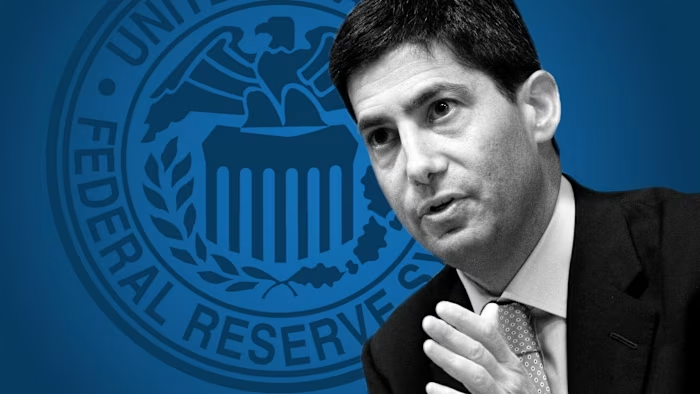
A blowout May jobs report is easing concerns among Federal Reserve officials about weakness in the U.S. labor market, while highlighting inflation risks. Incoming Fed Chairman Kevin Warsh faces growing support among colleagues for potential rate hikes later this year.
Employment Surges Beyond Expectations
U.S. companies added 172,000 jobs in May, more than double the 85,000 consensus estimate, bringing the three-month average back to pre-pandemic levels. Gains were concentrated in leisure and hospitality, local government, and health care, while employment in financial activities slipped.
Revisions to Previous Months Strengthen Trend
April’s payrolls were revised sharply upward to 179,000 from 115,000, and March was increased to 214,000 from 185,000, adding 93,000 more jobs than previously reported. Analysts at CIBC Economics noted that the report demonstrates the labor market is on solid footing and remains balanced.
Unemployment Rate and Wage Growth
The unemployment rate held steady at 4.3%, while average hourly earnings rose 0.3% month-on-month, slightly above April’s 0.2% increase. These figures reinforce that the labor market is resilient despite geopolitical headwinds and rising oil prices stemming from the ongoing Iran conflict.
Implications for Federal Reserve Policy
The strong jobs data have increased expectations that the Fed may raise interest rates. Analysts at Vital Knowledge noted that while wage growth is moderate, the labor market strength could sway Fed policy hawkishly, with markets now pricing in at least one rate hike by the end of 2026, shifting previous expectations of steady rates through the year.
Treasury Yields Respond to Employment Data
Following the report, U.S. government bond yields moved higher. The 2-year Treasury yield rose 6.5 basis points to 4.115%, while the 10-year yield increased 5.3 basis points to 4.53%, reflecting market anticipation of tighter monetary policy.
Inflation and Geopolitical Pressures
Inflation remains elevated, partly due to the ongoing Iran war and related oil shocks, impacting prices of fertilizer, shipping, and metals. The International Monetary Fund now forecasts that inflation may not return to the Fed’s 2% target until the end of 2027. Fed policymakers, including Christopher Waller and Jeffrey Schmid, are discussing the possibility of incremental rate hikes to curb persistent price pressures, counter to previous expectations of rate cuts under Trump.