Rubio Says US-Iran Framework Deal Could Reopen Strait of Hormuz as Negotiations Continue
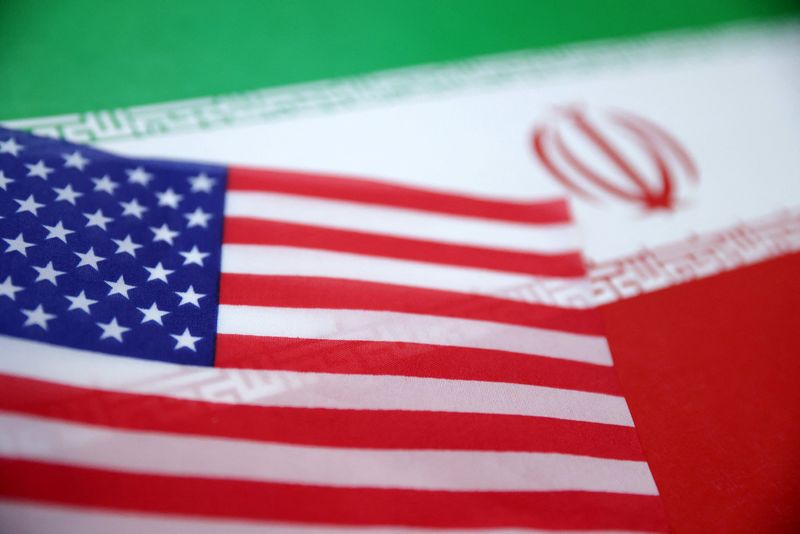
U.S. Secretary of State Marco Rubio said Washington remains committed to pursuing diplomatic solutions with Iran and suggested a framework agreement to reopen the Strait of Hormuz may be nearing completion.
However, Rubio also warned that the United States could consider alternative measures if negotiations fail to produce a satisfactory outcome.
Rubio Says ‘Solid’ Agreement Is on the Table
Speaking during a visit to New Delhi, India, Rubio stated that discussions surrounding the reopening of the Strait of Hormuz had made meaningful progress.
According to Rubio, the United States prefers reaching a diplomatic agreement but remains prepared to respond differently if talks break down.
He emphasized that President Donald Trump would not accept an unfavorable deal and repeated Washington’s position that Iran must not develop nuclear weapons.
US Awaiting Iran’s Response to Proposed Framework
Rubio said American officials are currently waiting for Iran’s response and added that the proposed agreement has received significant support from Gulf nations and the broader international community.
His comments followed statements by President Donald Trump over the weekend indicating that negotiations with Tehran had advanced and that a framework agreement appeared close.
Later remarks from Trump suggested there was “no rush” to finalize a deal, a message Rubio reiterated.
Potential Agreement Could Extend Ceasefire and Reopen Hormuz
Reports indicate the proposed U.S.-Iran framework could include several major developments:
- Extending the current ceasefire by 60 days
- Reopening the Strait of Hormuz for commercial shipping
- Allowing Iran to resume oil exports
- Lifting U.S. restrictions affecting Iranian ports
- Restarting international Iranian oil sales
If implemented, these measures could significantly improve global energy supply conditions.
Iran’s Nuclear Program Remains a Major Obstacle
The reported draft agreement also includes commitments involving Iran’s nuclear activities.
Iran would reportedly pledge not to pursue nuclear weapons and participate in future negotiations regarding uranium enrichment.
Tehran has repeatedly denied seeking nuclear weapons but has largely rejected U.S. demands to surrender its enriched uranium stockpile.
Iran’s nuclear ambitions remain one of the most sensitive issues preventing a broader agreement.
Strait of Hormuz Has Become Central to Global Energy Markets
The Strait of Hormuz remains one of the world’s most important shipping routes, carrying a substantial share of global oil exports.
Since late February, disruptions linked to Iran have significantly reduced shipping activity through the corridor, affecting energy markets worldwide.
Although some tanker traffic has resumed in recent weeks, volumes reportedly remain well below pre-conflict levels.
Reports also suggested Iran had considered introducing toll charges for commercial vessels passing through the route.
Oil Prices Fall as Markets React to Peace Deal Optimism
Financial markets responded positively to signs of diplomatic progress.
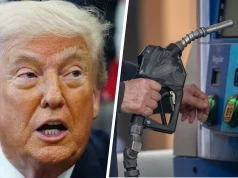
Oil prices dropped sharply as investors anticipated improved energy flows if an agreement is reached.
At the same time:
- Risk-sensitive assets moved higher
- Investor sentiment improved
- Gold prices gained despite easing geopolitical concerns
Markets remain highly sensitive to headlines surrounding U.S.-Iran negotiations, with future developments likely to influence oil prices, inflation expectations and broader global markets.