Rubio Says US Has Alternatives if Iran Talks Fail as Deal Hopes Grow
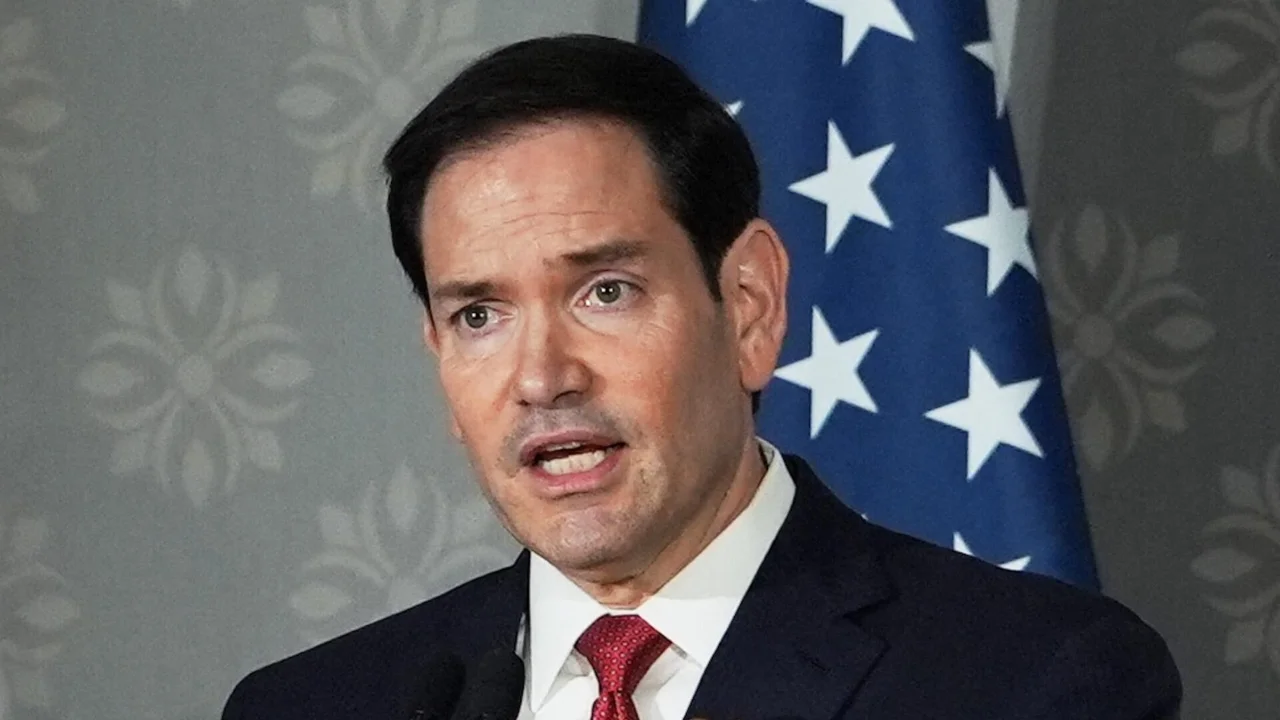
The United States will either secure a favorable agreement with Iran or pursue “another way” to address ongoing tensions, according to U.S. Secretary of State Marco Rubio. His remarks come as Washington continues diplomatic efforts while signaling that alternative options remain available if negotiations fail.
Rubio, speaking to reporters in New Delhi, said the U.S. intends to give diplomacy every opportunity before considering other measures. His comments followed President Donald Trump’s statement that U.S. negotiators should avoid rushing toward an agreement with Tehran.
US Pushes Diplomacy While Keeping Pressure on Iran
Rubio suggested there is currently a serious proposal under discussion, potentially involving reopening the Strait of Hormuz and entering time-limited negotiations over Iran’s nuclear program.
He expressed cautious optimism that an agreement could still be reached. Meanwhile, Trump stated that restrictions on Iranian shipping through the Strait of Hormuz would remain in effect until a formal agreement is finalized, certified and signed. He emphasized that both parties should proceed carefully to achieve a sustainable outcome.
Iran has not officially responded to the latest comments. However, Iran-linked Tasnim News Agency reported that unresolved issues remain, including Tehran’s demands for access to frozen financial assets held abroad.
Oil Prices Fall as Markets Hope for Iran Deal
Global oil markets reacted positively to signs of progress in negotiations. Oil prices dropped around 6% on Monday, reaching their lowest levels in two weeks as investors anticipated the possibility of a peace agreement between Washington and Tehran.
Earlier statements by Trump increased expectations after he claimed the two sides had largely negotiated a memorandum of understanding that could lead to reopening the Strait of Hormuz.
Before conflict escalated, the strategic waterway handled roughly 20% of global oil and liquefied natural gas shipments, making any reopening highly significant for world energy markets.
Major Obstacles Still Threaten a Final Agreement
Despite optimism, substantial disagreements continue between the two sides.
Key unresolved issues reportedly include:
- Iran’s nuclear program and enriched uranium stockpile
- Sanctions relief demanded by Tehran
- Release of frozen Iranian funds abroad
- Regional conflicts involving Hezbollah and Israel
- Long-term security arrangements in the Middle East
These sticking points remain barriers to any comprehensive settlement.
Reports Suggest Iran Could Reopen Strait of Hormuz
According to a senior Trump administration official, Iran has agreed “in principle” to reopen the Strait of Hormuz in exchange for lifting U.S. naval restrictions and addressing parts of its nuclear activities.
The official also claimed Iran’s leadership had broadly endorsed the framework, although Iranian authorities have not publicly confirmed those reports.
Washington reportedly envisions first reopening maritime access before finalizing detailed nuclear arrangements, a process expected to require additional negotiations.
Another administration official indicated negotiators may have up to 60 days to finalize a permanent agreement.
Iran’s Nuclear Program Remains Central Issue
Iran has consistently denied allegations from the United States and Israel that it seeks nuclear weapons. Tehran maintains that uranium enrichment is intended for civilian energy purposes.
However, Western governments argue that enrichment levels achieved by Iran exceed what is typically necessary for peaceful nuclear power generation, remaining one of the most sensitive issues in negotiations.
Iranian sources reportedly suggested future compromises could involve diluting enriched uranium under supervision from the U.N. nuclear watchdog.
Trump Defends Negotiation Strategy
President Trump defended his handling of negotiations and dismissed criticism regarding his willingness to pursue compromise.
He argued that any agreement reached with Iran would be beneficial and properly structured, urging critics not to underestimate the process.
The conflict and resulting energy disruptions have affected fuel, food and fertiliser prices globally, increasing pressure for a diplomatic resolution. Markets remain closely focused on whether current ceasefire arrangements can evolve into a longer-term settlement.