Iran’s Supreme Leader Reportedly Orders Enriched Uranium to Remain in the Country
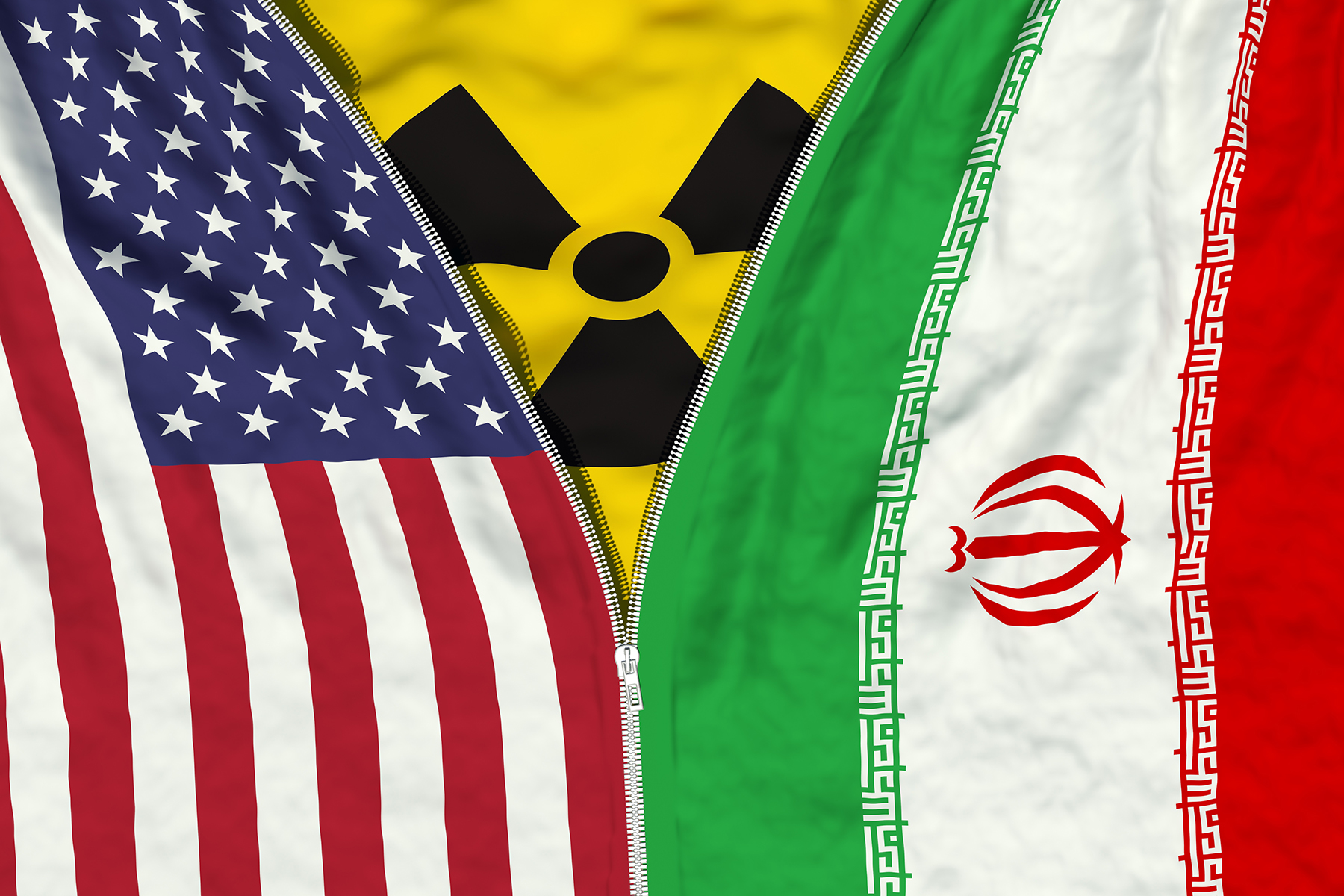
Iran’s Supreme Leader, Ayatollah Mojtaba Khamenei, has reportedly instructed that the country’s stockpile of highly enriched uranium should not be transferred abroad, according to a Reuters report citing senior Iranian sources.
The reported directive comes at a time of heightened tensions between Tehran and Washington, with nuclear activities remaining one of the biggest obstacles in ongoing peace discussions.
Iran’s Uranium Program Remains Central to U.S.-Iran Dispute
President Donald Trump has repeatedly stated that preventing Iran from obtaining nuclear weapons is a primary objective of U.S. policy toward the country.
Trump has also argued that the United States should secure or seize Iran’s uranium reserves, maintaining that Tehran cannot be allowed to develop nuclear weapon capabilities.
Iran continues to reject those claims and insists its nuclear program is intended solely for peaceful and civilian purposes.
The disagreement over enriched uranium remains a major sticking point in negotiations between both sides.
Peace Talks Continue Despite Limited Progress
Although a fragile ceasefire has largely held, efforts to reach a broader agreement have reportedly produced limited results.
Trump recently stated that negotiations may be approaching their final stages and suggested progress had been made toward a possible peace framework.
However, the U.S. president also warned that military action remains an option if discussions fail to deliver a satisfactory outcome.
According to reports, Trump said stronger measures could follow if no agreement is reached.
Iran Says It Is Reviewing U.S. Proposals
Iranian officials have indicated they are examining Washington’s latest position regarding ending the conflict.
At the same time, Tehran reportedly warned it remains prepared to respond forcefully to any future military escalation.
The mixed messaging from both sides has contributed to uncertainty surrounding the prospects for a long-term agreement.
Trump Delayed Military Action but Maintains Pressure
Earlier this week, President Trump said he had postponed a planned military operation against Iran while allowing additional time for negotiations.
He indicated willingness to wait several days for diplomatic progress but reiterated that military options remain available if talks collapse.
Trump also described the conflict as entering its “final stages,” raising expectations that a decision on future actions could come soon.
Nuclear Activities Continue to Shape Negotiations
Iran’s nuclear program remains one of the most contentious issues in diplomatic discussions.
Washington continues pushing for stronger restrictions, while Iran has shown resistance to external control over its enriched uranium stockpile.
The dispute has become a defining issue affecting both regional security and global energy markets.
Strait of Hormuz Disruptions Add Pressure to Energy Markets
Beyond nuclear negotiations, shipping activity through the Strait of Hormuz remains significantly below normal levels.
The strategic waterway is essential for global oil transportation, and disruptions have raised concerns about energy supply stability.
Reports suggest Iran has considered imposing transit charges on vessels passing through the Strait of Hormuz and has reportedly included the proposal in broader peace discussions.
Any prolonged disruption could continue affecting oil prices and international trade flows.
Geopolitical Risks Remain High
With unresolved disagreements over uranium enrichment, military threats, and shipping routes, tensions between the United States and Iran continue to influence global markets.
Investors are likely to remain focused on future developments, particularly regarding peace negotiations and the stability of Middle East energy supplies.