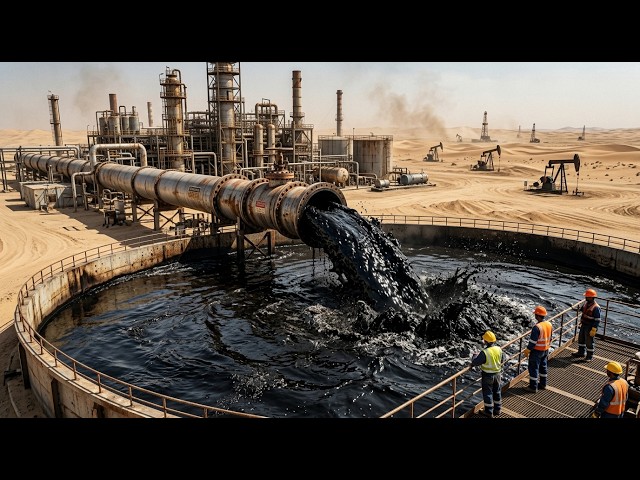
Oil Prices Slip as Markets Monitor Trump-Xi Summit
Oil prices moved lower on Thursday as investors closely followed developments from the high-stakes summit between U.S. President Donald Trump and Chinese President Xi Jinping in China.
Traders remained focused on any potential discussions related to the ongoing Iran war and the future of global energy supplies.
By 08:20 ET, Brent crude futures fell 1.6% to $104.00 per barrel, while U.S. West Texas Intermediate crude declined 1.4% to $99.63 per barrel.
Although both oil benchmarks posted losses during the session, they still remained on track for strong weekly gains after surging sharply in recent weeks.
Trump and Xi Talks Remain in Focus
Trump and Xi completed the first round of negotiations during their two-day summit in Beijing.
According to Chinese state media, Xi said progress had been made on trade discussions between the world’s two largest economies. However, he also warned that tensions surrounding Taiwan could continue straining relations with Washington.
Financial markets are particularly focused on whether the leaders will discuss solutions related to the Iran conflict and the disruption of oil exports through the Strait of Hormuz.
Some analysts believe Trump could attempt to encourage China, one of Iran’s largest oil buyers, to help broker or guarantee a potential peace agreement.
However, uncertainty remains over whether Beijing would be willing to take on such a diplomatic role.
Strait of Hormuz Crisis Continues to Pressure Oil Markets
The global economic outlook remains highly uncertain due to the ongoing closure of the Strait of Hormuz, one of the world’s most critical energy shipping routes located near Iran’s southern coast.
Roughly 20% of global oil flows normally pass through the strategic waterway. However, reciprocal blockades by Iran and the United States have effectively halted much of the tanker traffic in the region.
The disruption has triggered a major energy shock, pushing oil prices significantly above pre-war levels of around $70 per barrel.
As energy costs continue climbing, fears are growing that rising inflation could spread across major global economies.
IEA and OPEC Lower Oil Demand Forecasts
Earlier this week, both the International Energy Agency and Organization of the Petroleum Exporting Countries reduced their forecasts for global oil demand growth this year.
At the same time, analysts at ING estimated that worldwide oil supply declined by 1.8 million barrels per day in April alone.
Since February, total supply losses are estimated to have reached 12.8 million barrels per day, putting additional pressure on global crude inventories.
ING analysts noted that some traders remain hopeful China could pressure Iran into reaching a deal with the United States that would help reopen the Strait of Hormuz and restore energy flows.
However, they also warned that markets may be placing too much optimism on the outcome of the China summit.
US Crude Inventory Data Supports Oil Prices
Despite Thursday’s pullback, oil prices continued receiving support from stronger-than-expected U.S. inventory data.
Government figures showed U.S. crude stockpiles fell by 4.3 million barrels last week, significantly exceeding analyst expectations for a 2.0 million barrel decline.
The larger-than-expected drawdown suggests fuel demand in the United States remains resilient despite elevated energy prices.
Gasoline inventories also dropped sharply by 4.1 million barrels, while distillate inventories increased only modestly by 190,000 barrels.
The latest inventory figures reinforced expectations that global oil markets could remain tight as geopolitical tensions continue disrupting supply chains.